Religion
Instances of Conceptual Evolution in the Quran
Mostafa Malekian argues that the uncertainty surrounding the chronological order of Quranic revelation makes it difficult to discern the scripture's final stance on issues such as the nature of the afterlife and the severity of jurisprudential rulings; because, given the evolution of its thought, we cannot know which idea represents the Quran's last word.

Mostafa Malekian: An issue that arises in the Quran due to precedence and delay is the problem of the conceptual evolution of the Quran. Some say there is no conceptual evolution in the Quran at all, and that God's word was one from the first day to the last. It is not known whether in the Quran this thought was stated first and then that thought, or that thought was stated first and then this one. Assuming that this conceptual evolution exists in the Quran, we do not know which is the final thought of the Quran. The books of a thinker are chronologically ordered to understand when they were written, so that his final book can be considered his views. If the order of these books is disrupted, you do not know what the person's final opinion was.
On the Subject of the Resurrection
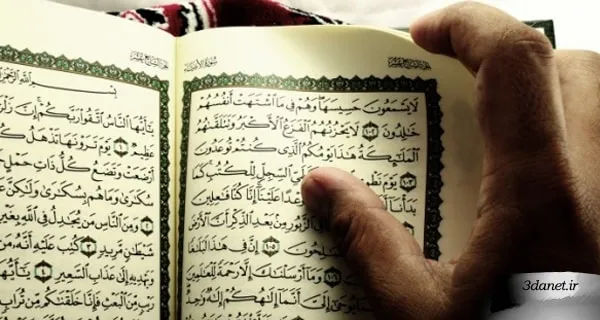
Conceptual evolution exists in the Quran, although some believe it does not. But it exists, even in important matters. I give an example: An Arab came to the Prophet and brought a bone with him. This bone was so ancient that when he pressed it, it turned to powder. The Arab said, "Who will revive bones that have become like this powder?" The Quran says God will revive it. It seems to assume it is the bones themselves. But it is not said that you have an immaterial soul that enters the realm of Barzakh, and then heaven and hell. It does not say such a thing; it says God will revive this very bone. In other words, it seems the Quran considers the resurrection to be bodily and does not believe in a soul. In this same Quran, we have verses saying you have a soul, and it is your soul that is transferred to the other world. Well, if we have a soul, you should have also told that Arab that the issue is not about bones. Which of these is the final view of the Quran? It depends on which was revealed first and which was revealed later, but we do not know which was revealed first.
In Jurisprudential Rulings
The next case concerns the degree of intensity and strictness of obligations and prohibitions. Look at what the Quran says about alcoholic beverages: "Do not approach prayer while you are intoxicated." To whom is this addressed? It is addressed to Muslims, who could be intoxicated but could not pray. In one place, it says, "They ask you about wine and gambling. Say, 'In them is great sin and [yet, some] benefit for people.'" It says both alcoholic beverages and gambling have some benefits, but their sin is greater than their benefit. It seems this is stricter than the previous one. But in another place, it says, "Prohibited to you are..." such and such, and alcoholic beverages. We say the process of its revelation is in this form that we describe. But the Quran itself does not proclaim this. The Quran has spoken of this in three places, but we do not know the order. Therefore, the severity and leniency of the obligations and prohibitions are not clear.
Someone might say that first God prohibited it, then said it also has benefits, then said it is fine to drink but do not stand for prayer while intoxicated. We have an example of this. First, it was said that during the month of Ramadan, you should not have sexual intercourse with your spouses at all. First, it was prohibited for husbands and wives to have sexual intercourse during the entire month of Ramadan. Then the Quran said, "I know your betrayal," meaning I know you betray this command because it is difficult for you to observe. Then it said, "God has lightened [the burden] for you." That is, God has given you a concession, and you may have intercourse at night. Our jurists say the Quran moved from leniency to strictness, but they have no documentary evidence, because the Quran is not in order. Just as if there were no specific wording in the Quran, one could not comment on the matter of Ramadan and intercourse. However, there, the Quran used a wording from which we understand that it was first strict and then became lenient, because the Quran says, "We understood that you were betraying this ruling at night, and now God has lightened it for you." Here we understand that the prohibition is the first ruling, which was that there should be no intercourse at all during the month of Ramadan.
.
.
Examples of Conceptual Evolution in the Quran
Source: Mostafa Malekian, Philosophical Analysis, Session 12
.
.


Discussion5 comments
این ظاهر نگری و کنش های غیر تاویلی در راستای ایه مرگ واقعا جالب نیست در ضمن آیات شراب نیز ثابت کننده نظر اقای ملکیان نیست همانگونه معلوم است.
موضوع معاد در قران بسیار واضح بیان شده است: در ارتباط با مثال استخوان پودر شده میفرماید : بگو این را کسی زنده مینماید که مرتبه اول انرا خلق نمود. این معاد جسمانی را می رساند و زنده شدن نیز بیانگر حضور روح است. اکنون کسانی که در پی پیدا کردن اشکال هستند بگویند اشکال چیست و چه مغایرتی با ایات دیگر معاد وجود دارد؟ از اینجا می توان به وجود فریب در متن بالا پی برد.
بخش دوم سخنان استاد ملكيان در مورد شراب داراي يك پيش فرض است و آن اينكه در قرآن ناسخ و منسوخ را قبول كنيم ولي مرحوم آقاي خويي در كتاب البيان في تفسير القران اساسا اين موضوع و تمام آيات مورد ادعا را آورده و البته با دلايلي كه مي توان آن را پذيرفت يا خير وجود ناسخ و منسوخ در قران را رد كرده است
دوستان صدانت، این درسگفتار "تحلیل فلسفی" رو کی اجازه دارید روی سایت قرار بدید ؟ واقعا میتونه انقلابی باشه واسه ی نوآموزان فلسفه...
از خود کانال ملکیان میتوانید دانلود کنید درسگفتار تحلیل فلسفی رو