Religion
Kiyan Magazine
Kiyan magazine, the most important periodical of religious intellectualism in the late 1980s and early 1990s, had its roots in the Cultural Centre of the Islamic Movement and was revived after the closure of Kayhan-e Farhangi. Abdolkarim Soroush, the magazine's intellectual leader, published his theories of religious studies in its pages.
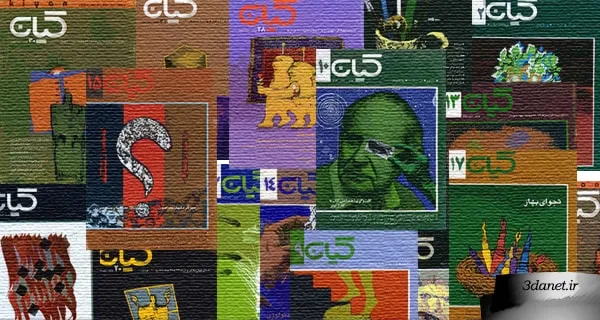
Kiyan magazine is recognized as the most important and influential journal of religious intellectualism in the late 1980s and early 1990s (Solar Hijri). On January 16, 1979, a group of revolutionary youth devoted to the teachings of Martyr Motahhari established an association called the "Cultural Center of the Islamic Movement." Reza Tehrani, one of the founders of this center, refers to it as the first organizational movement of Muslim intellectuals. With the occurrence of the Islamic Revolution, many of these youth entered the government structure and began working in political-military institutions. However, some members of the "Cultural Center of the Islamic Movement," such as Hassan Hosseini (poet), Qeysar Aminpour (poet), and Mohsen Makhmalbaf (filmmaker), remained interested in cultural work and founded the "Center for Islamic Art and Thought" so they could continue their cultural activities away from political power. Nevertheless, after some time, the Islamic Development Organization took over the Center for Islamic Art and Thought, and the association's activity became an institution affiliated with the government.
Some of the early members of the Cultural Center of the Islamic Movement, namely Mostafa Rakhsefat and Reza Tehrani, at the suggestion of the late Seyyed Hassan Shahcheraghi, the then-director of the Kayhan Institute, accepted a collaboration with this institute and, along with Masha'allah Shamsolvaezin, founded Kayhan-e Farhangi magazine. As Shamsolvaezin himself says, because he was the editor-in-chief of Kayhan newspaper, he had no executive involvement in the process of Kayhan-e Farhangi, but he was present in many interviews with various figures and helped. (Interview with Shahrvand-e Emrooz weekly, No. 29, Monday, December 16, 2007).
The first issue of Kayhan-e Farhangi was published in April 1984, initially led by Mostafa Rakhsefat, Kamal Haj Seyyed Javadi, and Hassan Montazer al-Qaem. Montazer al-Qaem was killed some time later in an accident in Yazd, and Kamal Haj Seyyed Javadi went to the Ministry of Culture and Islamic Guidance with Seyyed Mohammad Khatami. But Mostafa Rakhsefat remained and, along with Reza Tehrani, published Kayhan-e Farhangi. The first issue of Kayhan-e Farhangi hit the newsstands with a cover photo of Seyyed Jafar Shahidi and an extensive interview with him. Typically, each issue of Kayhan-e Farhangi was published with an interview with one of the great figures in the field of thought and a cover photo of them. One of these individuals whom Kayhan-e Farhangi intended to interview was Abdolkarim Soroush. Soroush, however, declined the interview but began his collaboration with the magazine by writing articles. He himself says about this:
I did not go to Kayhan-e Farhangi; Kayhan-e Farhangi came to me. Mr. Rakhsefat was a cultural figure and showed great interest in new ideas. He also attended some of my classes and was interested in some of the topics I raised. For this reason, after some time, he invited me to appear in Kayhan-e Farhangi as one of the cover figures and to conduct an interview with them. I avoided that task and did not see myself at that level. But our new collaboration began in the form of writing articles. Once, of course, Mr. Rakhsefat and Mr. Tehrani asked me to be the interviewer for one of the familiar and famous figures, namely Ayatollah Javadi Amoli. I went to Qom with Mr. Rakhsefat and conducted a lengthy interview with Mr. Javadi Amoli, and this interview was later published in the magazine. Our collaboration began as simply as that." (Soroush's interview with Shahrvand-e Emrooz weekly, No. 29).
Gradually, Soroush's influence on the approach of Kayhan-e Farhangi increased, such that Kayhan-e Farhangi magazine was considered a suitable forum for publishing the theological theories of Abdolkarim Soroush. As Soroush says, in the mid-1980s, Kayhan-e Farhangi was considered one of the pioneering publications in the field of intellectualism, publishing controversial works. One of these was the theological articles that contained Soroush's theories, and another was the introduction of the neglected ideas of Karl Popper, the Austrian-born philosopher and theorist, which generated much discussion and debate around itself.
Abdolkarim Soroush, a philosopher and theorist who initially held the views of Morteza Motahhari dear and, like him, was considered an adversary of Marxism, defended Sadrian philosophy against Marxism by writing the book The Restless Nature of the World, a work for which he was commended by Imam Khomeini. In the early 1980s, Abdolkarim Soroush was endorsed by the ruling establishment, but later, with the gradual changes that emerged in his thought, he incurred its wrath. This gradual evolution of thought manifested itself in the articles of Keyhan-e Farhangi. Beginning in Ordibehesht 1367 (April/May 1988) and over several issues, Soroush wrote the articles on “The Theoretical Contraction and Expansion of the Sharia,” which met with critical reactions from traditionalist thinkers within and outside the seminary, with figures such as Sadeq Larijani writing critiques of them. As the stances of Keyhan-e Farhangi shifted in tandem with the changes in Soroush’s thought, pressure on the magazine gradually increased. The existence of disagreements between the staff of this publication and the managers of the Keyhan Institute—who had changed after the passing of the founder of the Islamic Revolution—led to the suspension of Keyhan-e Farhangi for 15 months in Khordad 1369 (May/June 1990), one year after the Imam’s death. During this period, the officials of the magazine who were in conflict with the institute’s managers gradually left Keyhan-e Farhangi.
After this event, it took only four months for the former team of Keyhan-e Farhangi to find a new home, where they could pursue the Keyhan-e Farhangi approach even more seriously this time. Mostafa Rokhsefat was the license holder of a magazine called “Ketab-e Nemoun,” which he placed at the disposal of the new team; this magazine later began general publication under the title Kiyan. The monthly Kiyan, with Mostafa Rokhsefat as license holder, Reza Tehrani as managing director, and Mahmoud Shams (Masha’allah Shams al-Vaezin) as editor-in-chief, commenced work in the autumn of 1370 (1991). In the publication’s first editorial, the following was stated regarding the goals envisioned by its officials: “An effort to broaden as much as possible the scope of current-shaping intellectual discussions with the aim of presenting the course of political thought. We will also turn our attention towards the Arab and Islamic Middle East and the Subcontinent, in order to know and make known the course of thought, research, and art of these two ancient, shared-fate regions. We will not neglect the Muslim republics neighboring our country to the north—those very republics whose 70-year barriers of organized atheism and the empire of violence could not sever their cultural and religious attachments and bonds with the Islamic world, especially Iran. And with satisfaction and vigilance, attention must be paid to the arenas and the course of thought in the Western world.” Although Abdolkarim Soroush held no official position at Kiyan magazine, he was considered the intellectual and spiritual leader of the publication in a sense. Many of Soroush’s later theological theories, such as religious democratic government, the straight paths, and his articles criticizing the clerical establishment, were published in this very magazine and sometimes provoked reactions outside the magazine, to the extent that the twenty-eighth issue was placed on newsstands without any article by Soroush, featuring only a few lines of his poetry: “Upon which part of this night shall I hang my tattered cloak? / No sun, no star, no moon asks for my sign / My breast is brimful of pain, alas for a sympathizer / The heart is sick unto death of loneliness, for God’s sake, a heart-stealer / From the bitter, mad gaze, O sweet one, and henceforth / I shall steep my poetry in the wine of your eyes.”
Although Soroush was considered the intellectual axis of Kiyan magazine, other writers also contributed to Kiyan, each of whom later became a significant figure in Iran’s political and intellectual sphere. Individuals such as Arash Naraghi, Alireza Alavitabar, Mostafa Tajzadeh, Morteza Mardiha, Mohsen Sazegara, Saeed Hajjarian (who wrote under the pseudonym Jahangir Saleh Pour), Akbar Ganji (under the pseudonym Hamid Paydar), Hossein Ghazian, Ebrahim Soltani, Javad Kashi, and Mohsen Armin also wrote regularly for Kiyan and participated in weekly and monthly brainstorming sessions. In an interview with Bashir magazine, Arash Naraghi says about these sessions:
We had several types of meetings. One of the meetings was related to the magazine itself, in which Mr. Soltani, Ganji, Panahandeh, Kashi, Ghazian, Tehrani, Shams al-Vaezin, and I participated. This group determined the magazine's editorial line and the content of its articles. Mr. Rakh-Sefat, the magazine's license holder, left for Canada after the second issue. We also had other meetings that were held on Wednesdays. These meetings were more of a casual get-together. In this second group, more people were present, and the meeting was more devoted to scholarly discussions and intellectual exchange, with Mr. Tajzadeh managing these sessions... We also had other meetings held at the end of each month. A much wider and more diverse spectrum participated in these meetings, of course. At these gatherings, we friends would have dinner together and mostly exchange news. (Interview with the student publication Bashir, Issue No. 2, late February 2017, University of Tehran)
Although this group did not initially give itself a name, it became known as the Kiyan Circle by those outside the circle of Kiyan's writers; a name that stuck with this group. In addition to this group, there were others who sometimes participated in the meetings or wrote articles for Kiyan: Mohsen Kadivar, Mohsen Aminzadeh, Emadeddin Baghi, and Isa Saharkhiz were among those who occasionally attended the gatherings of the Kiyan circle, and articles by Mostafa Malekian and Mohammad Mojtahed Shabestari, as prominent figures of religious intellectualism, were frequently published.
The 2nd of Khordad 1376 (May 23, 1997) was the starting point of divergence among the members of the Kiyan circle. With the victory of Seyyed Mohammad Khatami in the seventh presidential election, some members of the Kiyan circle thought of establishing a newspaper to be able to speak anew in the opened political atmosphere. Within Kiyan itself, some were against founding a newspaper and others were in favor; until Mashallah Shams al-Vaezin, who was the editor-in-chief of Kiyan at the time, along with Hamidreza Jalaeipour and Mohsen Sazegara, founded the Jame'eh newspaper and migrated from Kiyan. After Shams al-Vaezin's departure to the Jame'eh newspaper, Ebrahim Soltani was chosen as the editor-in-chief of Kiyan magazine.
Opponents of founding a newspaper considered Khatami's victory the result of an accident, not a process, and for this reason, they did not believe in establishing a newspaper. In contrast to the founding of the Jame'eh newspaper, they established the weekly Rah-e No, with Akbar Ganji as its license holder and managing editor, which lasted only four months, from May 5, 1998, to September 12 of the same year, and then voluntarily ceased publication due to Akbar Ganji joining the newly established Sobh-e Emrooz newspaper, managed by Saeed Hajjarian.
Some analysts consider the Jame'eh newspaper a manifestation of the liberal faction of the Kiyan circle and the Sobh-e Emrooz newspaper a symbol of the leftist faction of Kiyan magazine. Mashallah Shams al-Vaezin does not consider these interpretations precise but says they contain a part of the truth and one must come to terms with these interpretations.
Although Kiyan magazine was not political, the articles it sometimes published agitated politicians and government institutions. Dr. Soroush's first article in Kiyan magazine was titled


Discussion7 comments
سلام آقای ه! عرض کنم که : اول نه شما نماینده مردم ( دانشجو، کلاس و ... ) هستید، نه هیچ کس دیگر.( هر کسی که مد نظرتان بود.) دوم اون افتخار یا تعصب یا دیانت بخاطر دیانت، اون جوانان و دانشجویان و هر حال و احوالی، و در هر کسی که بود، کو؟ ... ، دیگر وجود ندارند. تنها چیزایی که در 40 سال گذشته وجود داشتند بوجود آوردن و اداره کردن مارکسیستی - آنهم از نوع 70 سال پیشش - نهادهای اجتماعی، آنهم به نام دورترین نام از مارکسیسم یعنی اسلام بوده است. سوم نتیجه مورد دوم ( یا هر اسمی یا تعریفی که شما دارید ) تجربه زیسته ای است که به زور و با فریب بوجود آورده شده است. مرادم فقط سیاست نیست! مرادم به معنی واقعی و حقیقی کلمه، همه چیز است : سیاست، فرهنگ، ناتوانی در گفتگو، ناتوانی در مذاکره، امور دیانت، علم آموزی، تعلیم و تربیت، بهداشت و درمان و هزینه های مادی و معنوی شان، دوری و تنفر از همه دنیا، و ... همه ... چی. به چه افتخار می کنید!؟ آقای ه!
آقای نماینده لطفا political constituencyخود را ارائه بفرمایید. پرسیدید کو؟ وقتی ذهن ما پرباشد از دشنام، ساهی، و تحقیر امکان دیدن جهانی خارج از ذهنیتی که دانشگاه، رسانه غربی، و افراد بیگانه با کشور خود در ما از بچگی ایجاد کرده اند وجود ندارد.
برخلاف دانشجویان و فلاسفه بزرگ کشورشما به هیچ چیز افتخار نمی کنم. لجن مال کردن اندیشه مخالف با برچسب زدن بر آن به چه علت است؟ پرسیده اید: اون افتخار یا تعصب یا دیانت بخاطر دیانت، اون جوانان و دانشجویان و هر حال و احوالی، و در هر کسی که بود، کو؟ … ، دیگر وجود ندارند. طبیعی است که وقتی شیفته و واله قطب اسلحه نظامی، قطب کشتار در جهان، قطب تعصب علمی باشیم وقتی اتوریته منابع غربی از تجربه، از اندیشه، از تعقل بالاتر باشند قادر به شنیدن و دیدن نباشیم و دیگر اجازه سخن گفتن به دیگران ندهیم. فاشیسم غربی در دانشگاه ها، آثار ترجمه ای از غرب(تحت نام تألیف) و رسانه های ایران!
تلاش برای تخریب نام دین، مارکسیست خواندن جامعه متدین defense mechanismمتعصبینی است که اندیشه متفاوت را برنمی تابند. سلطه فکری و تحکم تعصب فکری تحت نام فلسفه وقتی یارای گفتگو و مطالعه دین را ندارد اقدام به stigmatization لجن مال کردن اندیشه و فکرمی کند، چون موفق نمی شود به حذف کسانی روی می آورد که تنها خطایشان توجه به اندیشه متفاوت است. رفتار جامعه جهانی ، لجن مال کردن جوامع دیگر، اتهام زنی به آنها، تشکیل گرو های تخریب و کشتار و منتسب کردن آن ها به اندیشه پویا در جهان با تکیه بر سازمان ملل(سلطه حکومتی و قضایی بین الملل)، نظام تحصیلات عالی و پروتکل رفتاری و instructionهای جهت گیری آکادمیک، مونوپولی اقتصادی (WTOT سازمان های مدیریت اقتصادی، سوء استفاده از توان تحریم) و تحمیل اراده به جامعه جهانی مجموعه فاشیسم فکری است که همه باآن هر روزه سر کار داریم اخبار را می شنویم: مجموعه ای که کنترل اذهان را بر عهده دارد. (media control: Noam Chomsky, The dialectic of Enlightenment : Horkheimer , Adorno ( Frankfort School) Marshal Macluhan:Understanding Media2001 : :W(Writers:?)The Beginnings of Western Science The Sociology of Science: Robert Merton The Archaeology of Knowledge شروع مطالعه برای آن ها که اتوریته حاکم بر علم و دانشگاه را می خواهند بشناسند
چرا اسمی از مجید محمدی جامعه شناس نیاوردید اون که یکی از مقاله نویسهای ثابت کیان و کیهان اندیشه و کیهان فرهنگی بود اتفاقا علمی ترین مقاله ها رو نسبت به بقیه می نوشت
با احترام به جایگاه فکری صدانت و تمام نهادها و راسنه ها وافرادی که در راه اندیشه و بیان قدم برداشتند، امید است که با تلاش همگاه روزی فرا رسد که اندیشمندان با گوش فرا دادن به دیگران به درک خوبی از همدیگر نایل شوند تا در نتیجه مواضع عقلانی تر و تجربی تر رخ بنماید. بد نیست به تجربه گذشته نظر شود و به این مسأله توجه شود که چگونه است که شهره ترین نام موجود در عرصه فلسفه با لبخندی ایئولوگ یک نگاه در governanceمی شود و با اخمی برمی آشوبد و شمشیر قیام برهمان ساختار برمی کشد. اگ از من می پرسید شاید شیرینی جایگاه اندیشه ورزی بر تلخی کونوا قوامین بالقسط چربیده است. مستی اندیشیدن و تحسین شدن بوسیله دانشجو و استاد و مورد توجه انحصاری رسانه ها قرار گرفتن هر منصف و عادلی را ممکن است ساقط کند. مگر این که رذائل اخلاقی در کوره خودسازی ذوب و فضائل پسندیده در زیر بار مشکلات در فرد پدید آمده باشد. اندیشه در جبهه های متفاوتی ظهور کرده و نتایج متنوعی به بشریت اهدا نموده. چه بسیار اندیشمندان که در عرصه فکر قابل احترام بودند اما تنای جنایتکاران گفتند ، و چه بسیار خوبان که شهوت شهرت و توجه قدرت آن ها را از پای درآورده. آن چه که در مجلات ، روزنامه ها، و کتب منتشره پس از انقلاب مشاهده شد ثمره حرکتی الهی و جنبشی انقلابی و اراده ای اجتماعی بود. حلاوت صداقت و شیرینی سخن گویی از جانب قشر انقلابی نیروی محرکه اندیشیدن قرار گرفت و ثمرات تحسین برانگیز خود را عطا کرد. اما عجیب است که جامعه ای که با انگیزه ای خالص و با الهام گیری از قرآن سر عصیان در برابر حکومت طاغوت بلند کرده بود باری دیگر اسیر نگرشی شد که بیش از یک قرن آن را اسیر خود کرده بود. دزدی که در حاکمیت بیرون شده بود از پنجره فکر به درون خزید. اما این بار ب ظاهری آرایش کرده و تجربه ای اندوخته و حمایتی از درون. این بار چه چیز موتور حرکت این نگرش بود شهوت شهرت و خودنمایی، چه چیز حامی اجتماعی آن بود جوان جویای نام، چه تایید می کرد سنت فکری معتبر. این بار قدرت نه از حاکم مستبد بلکه این بار از غول اندیشه و فکر نشأت می گرفت. اعتبار متفکر از تحصیلات ، اعتبار تحصیلات از دانشگاه ، و آن از پیشرفت فنی، علمی، و مادی حاصل شده بود. چند صباحی پیش حاکم جور جایگاه خود را از قدرت نظامی ، و اکنون متفکر مست از شهرت و جایگاه اجتماعی باری دیگر به قدرت تکیه داشت. و این بار نه از نوع نظامی که می شکند و متلاشی می شود بلکه از جایگاه رفیع اندیشه. گویی سرکوب و انقیاد ممدوح است اگر در زیر قید اندیشمند و استاد دانشگاه باشد. مگر نه این است که او خود تابع است و تبعیت او از همان غرب متبختر است که چندی پیش ملتی را می دوشید و سرکوب می کرد. این بار سرکوب نه از نوع میلیتاریستی بلکه از گونه strangulationism علمی و فکری بود. باری دیگر جوان متفکر ، دانشجوی زحمت کش، اندیشه عزت مند با شناخت این خفقان فکری و استیلای psudo-scientific سر از زیر فشار سلسله مراتب آکادمیک بلند خواهد کرد و با جرأت تفکر و با صدای رسا تحقیر فیلسوف سالوس، نویسنده متظاهر، و استاد متبختر را بر نخواهد تافت.
از قیاسش خنده آمد خلق را مشکل اینه که قیاس به نفس میکنید.کار پاکان را قیاس از خود مگیر