Religion
A Note on the Hostile Confrontation with Sufis, by Vahid Hallaj
With the passing of Noor Ali Tabandeh, the old conflict between jurists and Sufis over hadiths condemning Sufism has resurfaced. Applying these hadiths to the Gonabadi dervishes rests on a fallacy of equivocation and prejudice; its foundation is built on a crumbling cliff—a hostile stance toward Sufis.

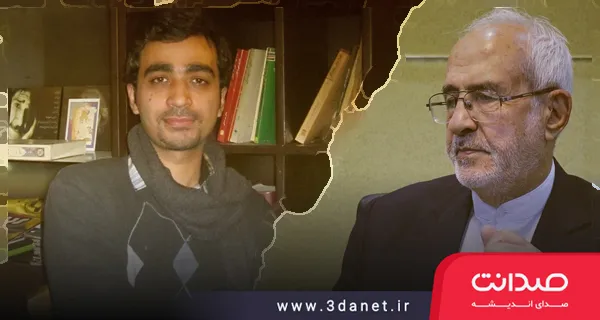
With the passing of Dr. Nour-Ali Tabandeh, the Qutb of the Gonabadi Dervish order, the old conflict between jurists and Sufis has once again flared up, and hadiths attributed to the Shia Imams condemning and cursing Sufism have been brought into the fray. In the midst of this, some Muslims, mostly fundamentalists, have tried to portray the Gonabadi Dervishes as outcasts and accursed by resorting to these hadiths. (See an example of related tweets here). This group is not, of course, speaking without basis, and hadiths condemning and rejecting Sufis have been recorded in authoritative Shia books. For instance, Hashem Ma'ruf al-Hasani, a contemporary Lebanese Shia theologian, in his book Tasawwuf and Shi'ism, cites 12 hadiths from the Shia Imams and various hadith collections in refutation and condemnation of Sufism to show that there is no relation between Shi'ism and Sufism and that Sufis have always been rejected by the Shia. The conflict between jurists and Sufis is a long-standing one, manifesting itself anew each time, and it has often been the jurists who, by citing existing hadiths, have been able to emerge victorious.
The passing of Dr. Nour-Ali Tabandeh provided an occasion for writing this piece to examine the logical strength of the jurists' argument in the midst of this conflict. Regardless of the authenticity of the chains of transmission for the narrations on this subject, which there is no room to discuss here, in this note, by considering the situation of the Gonabadi Dervishes as a case study, I want to show that the aforementioned claim of rejecting and negating all those who are called Sufi has no solid foundation and, as stated in verse 109 of Surah At-Tawbah, its foundation rests on "the brink of a crumbling, hollowed bank" (a structure situated on the edge of a precipice and on the verge of collapse).
Objections to the Claim of All Sufis Being Outcasts
The logical formulation of those who reject and negate Dr. Tabandeh, and indeed all Sufis, based on hadiths is as follows:
A- Dr. Nour-Ali Tabandeh is a Sufi
B- Every Sufi is cursed by the Imams
Therefore
C- Dr. Tabandeh is cursed by the Imams
This claim has no problem in terms of form, but in terms of content, at least two objections apply to it:
First Objection: The Fallacy of Equivocation
The fallacy of equivocation, in the terminology of experts, is: "the use of words that have two or more meanings, without any indication specifying the intended meaning." (Khandan, Ali Asghar. Fallacies, p. 44) The most familiar example for the audience in defining the fallacy of equivocation is perhaps the example of the word 'shir' signifying three different things: the animal lion, drinking milk, and a water tap. However, the scope of this fallacy is broad and includes many words and concepts that have undergone semantic evolution throughout history; words that have moved with history and taken on different meanings in every time and place. Words like religion, reason, zeal, homeland, love, freedom, justice, and this very word Sufism or Sufi. The fallacy occurs when we intend one meaning of a term from a specific time and place, discard the other meanings, and apply a single judgment to all the different meanings.
Let us take a look at the description of Sufis in the time of the Imams: for example, in Safinat al-Bihar it is narrated from Imam Reza that someone came and asked about the Sufis, describing their characteristics as follows: people whose food and clothing are coarse, who ride donkeys, visit the sick, and impose such austerities upon themselves. Ali ibn Musa al-Reza (AS) replied that religion is not embodied in outward appearances, food, and clothing; rather, the realization of religion lies in piety, righteous deeds, performing good works, upholding rights, and combating oppression, injustice, and corruption on earth. Islam has not forbidden any clothing or food to anyone, but has made it permissible for every human being to wear what they wish and eat what they desire. (See: Shi'ism and Sufism, p. 546) Regarding other hadiths, one can see similar expressions. That is, someone came and asked about a group known at that time as Sufis, mentioned certain characteristics, and then sought the Imam's response. But be fair: which of the characteristics mentioned applies to the Gonabadi dervishes living in fourteenth-century Iran? Almost none.
The aforementioned group bears no significant resemblance, whether in terms of belief or in individual and social ethics and behavior, to what was known as Sufism at that time.
As an example: on Behesht Street in Tehran, adjacent to the Miraj-e Shohada headquarters, there is a hoseyniyeh and charitable clinic called Saleh, which belongs to these very dervishes. It is enough to pay a visit to the aforementioned clinic to see how they treat patients for a minimal fee, and on special religious occasions such as the Nights of Qadr or the first ten days of Muharram, they mourn and perform rituals just like other Shiites.
Second Problem: The Fallacy of Apriorism
Another fallacy that occurs following the first is falling into the trap of apriorism, which refuses to confront reality. Apriorism means that before any empirical encounter with the subject in question, a person has assumptions and judgments in mind that either make them feel no need for an empirical encounter, or, in the event of such an encounter, they either deny the objective experiences or interpret them in a way that conforms to their preconception.
As I mentioned, the hadiths condemning the Sufis have led some to commit the fallacy of equivocation, considering anyone throughout history who somehow falls under the title of Sufi as an instance of those hadiths and issuing a uniform judgment. Furthermore, I wrote that there are fundamental differences among the various Sufi sects and schools, and one cannot place them all under a single title and issue a uniform judgment. But what is the correct way? The correct way is to directly confront each individual or sect that has been included under the title of Sufi and to separately compare their beliefs and actions against carefully considered and refined criteria, so that if there is any impurity, it can be distinguished from the pure.
Sufis, like any other school of thought and belief, have undergone considerable doctrinal evolution throughout history, which cannot all be classified under a single title; from Sunni Sufis to Shiite Sufis who flourished after Seyyed Haydar Amoli (8th century AH), from monotheistic Sufis to Sufis of the Unity of Being, from Sufis who were defenders of the Sharia, like Junayd of Baghdad, to Sufis who considered the Sharia to have reached its end.
Confining oneself to categories and classifications, although it has benefits and can organize the mind and make understanding easier, has the great affliction of negating individual differences and falling into apriorism.
Conclusion
In this piece, I have tried, by logically formulating the claim of those who resort to hadiths condemning and cursing Sufis, to demonstrate its flaws. As I showed at the beginning of the article, the formal structure of that claim is without fault, but regarding the content, there are problems with both the major premise and the minor premise of the syllogism, which render the argument in question invalid.
And in the End
The Sufi reading of Islam, with all its internal diversity, stands alongside other readings such as the jurisprudential, philosophical, fundamentalist, modern, and so forth. All Muslim Sufis have, in one way or another, acknowledged the existence of God and the prophethood of the Prophet of Islam, and almost all of them have held the Shiite Imams in high regard. Sufis have generally been peace-loving and tolerant Muslims, and have striven to expand and develop the inner and spiritual dimensions of Islam. Experience has shown that in regions such as Egypt, where significant Sufi tendencies have existed among the people for centuries, religious strife and conflict have occurred less frequently; however, in recent years, with the fading of the Sufi outlook on Islam, space has opened up for fundamentalist and Salafi readings of Islam, and the grounds for religious violence have been prepared and have found greater opportunity to emerge.
In an era where violence, whether religious or non-religious, poses a serious threat to human existence in the world, striving to spread tolerant readings of Islam is a requirement of rationality and foresight.
.
.
A Note on the Hostile Confrontation with Sufis
On the Occasion of the Passing of Dr. Nour Ali Tabandeh
Author: Vahid Hallaj
.
.




Discussion10 comments
نکته جالب آن است که نویسنده محترم این یادداشت خود نیز مرتکب مغالطه شدهاند و احتمالا متوجه نبودهاند! کوتاه سخن آن که ایشان به نادرستی «مغالطه اشتراک لفظی» را به منتقدان و مخالفان صوفیه نسبت دادهاند! چه این که بسیاری از منتقدان صوفیه افرادی مانند آقای نورعلی تابنده و دیگر صوفیان معاصر را دارای همان شرایط کلّی صوفیان عصر ائمه میدانند به این معنا که شروط اصلی و مادر را دارند ولو آن که تفاوت های ظاهری و شکلی و غیر ما هُوی به وجودآمده باشد. بنا بر این مساله آنطوری که نویسنده محترم خواستهاند آن را ساده سازی کنند نیست و بسیاری از فعالان عرصه نقد تصوف این سخن بنده را به خوبی متوجه میشوند و از این یادداشت واقعا تعجب میکنند که خود با مغلطه به دیگران نسبت ارتکاب مغلطه میدهد!
سوال خوب آقای حلاج این است که مصر اسلامی چرا بعد از استعمار توسط عثمانی و فرانسه و انگلیس از اسلام صوفیانه دست کشید؟؟ خصوصا عزیزانی که تشیع صفوی را عامل اختلاف با عثمانی میدانند احتمالا سرنوشتی مشابه شرنوشت مصر را می پسندند که هنوز هم تو سری خور عالم است.
آقای حلاج هیچ استدلالی بر اختلاف عقیده صوفیان کنونی با اسلافشان ذکر نمیکنند و به اختلاف دو گروه در خوراک و پوشاک اکتفا می کنند!! مرحبا به این نقضتان.
قبلا جامعه متعصب میگفت نه فکر نکنید اخلاق ضرورتا از دین می آید حالا از تعارض دین و اخلاق میگویند. احتمالا بخاطر اخلاقی بودن رفتار مدرن و کشتار میلونی و genocide های کشورهای لیبرال به این نتیجه می رسیم!
حالا فارغ از مغالطه اشتراک لفظ اگر گروهی را ایمه رد کردند باید از حقوق انسانی و احترام محروم شوند؟مگر ایمه شیعه ایمه اهل سنت را با شدت بیشتر نفی نکرده اند و اصلا تولی و تبری شیعه مصداق اتم تبری ان اهل سنت بوده است حالا تا ابد بیاییم با برادران اهل سنت دشمنی کنیم؟این چه وضع اخلاقی است که گرفتارش شده ایم
با سلام صورت بندي نويسنده محترم كه به آن اشكال گرفته اين است: الف- دکتر نورعلی تابنده صوفی است ب- هر صوفی مورد لعن ائمه است پس ج- دکتر تابنده مورد لعن ائمه است به نظر مي رسد اين خود ميتواند حاوي مغالطه باشد زيرا منتقد صوفيه مي تواند استدلال را اين گونه صورت بندي كند: الف. دکتر نورعلی تابنده داراي مولفه هاي صوفیه عصر امامان است ب. هر كس داراي مولفه هاي صوفیه عصر امامان باشد از نظر آنان مذموم است پس دکتر تابنده از نظر ائمه عليهم السلام نكوهيده است اين گونه استدلال از اوليات استدلال در حوزه مسائل ديني است اما نويسنده به دليل پيشداوري استدلال يه طرفه مطرح و نقد كرده است طبعا اثبات وجود شاخصه هاي تصوف مذموم در يك فرد يا گروه بر عهده كسي است كه درباره آنان حكم ارزشي مى دهد....
تعارض دین با اصول اخلاقی و عواطف انسانی بسیار بحث بر انگیز است و انصافا جای تحقیق ، مطالعه ، تفکر دارد . نیز اختلاص به دین خاصی هم مثل اسلام ندارد. در سایر ادیان هم چنین تعارضات دین و اخلاق وجود دارد. اصل ماجرای تاریخی: ذبح اسماعیل توسط ابراهیم علیهما السلام. کی یرکگور این مورد را دردین خودش که مسیحیت است واضح میداند. و نیز میپذیرد اخلاق انسانی چطور میتواند این را بپذیرد که خدای چنین دستوری دهد که کسی بی گناه را ذبح کن.... اقلا سرپیچی از آن نباید عصیان باشد و حال آن که میدانیم بود.... پس چگونه میتوان حلش کرد. (رک فلسفه ی کی یرکگور)
آقای حلاج عزیز، ضمن احترام باید بگویم مشکل نگاه شما و امثال شما این است که هنوز برای اینکه برای کسی حقی قائل شوید، بر دیندار بودن و محبتشان به خدا و پیامبر و اهل بیت و دیگر باورهایشان استناد میکنید. ما در دوران مدرن زندگی میکنیم و دولت فعلی که در ایران هم برقرار است تحفه ی لیبرالیسم است، لیبرالیسم هم مشخص کرده که باورهای شخصی شما، نژاد و جنسیت شما در حق شما دخالت نداره. ما نباید اینجا بحث کنیم که صوفی مسلمان است و به امام و پیامبر باور دارد «پس» نباید آزارش داد و اذیتش کرد. باید گفت صوفی و غیرصوفی انسان هستند «پس» نباید آزارش داد و اذیتش کرد. دیدگاه شما هرچند خیرخواهانه است ولی دیدگاه خطرناکی است و بر همان مداری میچرخد که بنیادگرا فاز میگیرد.
با سلام. بحت حق قائل شدن یا نشدن برای کسی نیست. معلوم است وقتی کسی در حیطه دینی حرف میزند و برمبنای دریافت خود از دین _هر چه هست _عمل میکند، طبیعی است که صحت و سقم سخنانش را با آنان که در حوزه دین مرجعیت دارن از قبیل پیامبر و امامان مفسر شریعت پیامبر می سنجند و این ربطی به روزگار ما و سلطه یا عدم سلطه این اندیشه یا آن اندیشه در. آن ندارد. ۰چنانکه اگر نوع مواجهه امامان علیهم السلام را با صوفیه زمانشان مثلا در مواجهه امام صادق با سفیان توری در اصول کافی ملاحظه فرمایید، امام از سفیان می پرسند شما که قرآن را تفسیر میکنی آیا ناسخ و منسوخ قرآن را می شناسی و سفیان میگوید کمی ونه همه را و حضرت می فرمایند پس در اینصورت هم گمراهی هم دیگران را گمراه میکنی و چنین نکن. یعنی حضرت عدم اطلاع از علوم قرآنی را سببی میدانند که فرد نا آشنا بدان حق ندارد ورودی در آن حیطه بکند..ربطی هم به اینکه چون سفیان انسان است پس حق دارد هر کاری بکند و هر نسبتی به خداوند بدهد ندارد. اتفاقا ایراد اصلی وارد بر نوع برداشت صوفیه همین عدم علم و تسلط آنها بر حیطه ای است که در آن اطهار نطر بلکه عمل مغایر با شریعت میکنند.
سوالی میپرسم جواب دهید. اگر کسی قتلی بکند، همین اخلاق و قانون انسانی که شما از آن دم میزنید چه میگوید؟ آیا او را تشویق میکنید یا مجازات؟ نگویید ربط بحث ما به قتل و ... چیست. میگویم:من دارم کالی بحث میکنم . تا بعد با پیدا کردن مصادیق مطابق وارد بحث شویم. شما بفرمایید: از نظر قانون انسانی چه رفتارهایی را باید مجازات کرد و چه مجازاتی؟ تا وارد بحث شویم.