Religion
Lecture Series: Formulating the Ethical System of Islam, by Hosseinali Rahmati
The formulation of Islam's ethical system, its ontological and epistemological foundations, its ultimate and intermediate goals, and its characteristics such as comprehensiveness and theocentrism are the main themes of Hossein-Ali Rahmati's lecture series. The relationship between ethics and jurisprudence is also examined.
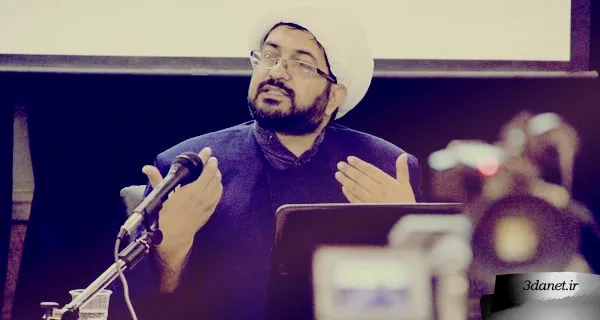
Audio of 9 sessions of the lecture series Formulating the Ethical System of Islam, by Hosseinali Rahmati
Session One (Download)
The aim of the present course; the structure of class research papers; the concept of "system" in the ethical system of Islam; the importance of a systematic approach to Islamic ethics; the benefits and applications of familiarity with the ethical system of Islam; the necessity of formulating the ethical system of Islam in the present era
------------
Session Two (Download)
- Introducing some sources on the ethical system of Islam; the lack of a comprehensive source on the ethical system of Islam; the importance and place of ethics in the system of Islamic thought; the characteristics of a desirable ethical system; the presuppositions of the existence of an ethical system in Islam; the definition of the "Ethical System of Islam"
----------------
Session Three (Download)
-Commonalities between the ethical system of Islam and other ethical systems; Characteristics of the ethical system of Islam: 1. Comprehensiveness and Inclusiveness
--------------
Session Four (Download)
Continuation of the characteristics of the ethical system of Islam: 2. Theocentrism, 3. Rule-governedness, 4. Capacity for moral justification, 5. Attention to human differences, 6. The multi-dimensional nature of the value system
-------------
Session Five (Download)
Continuation of the characteristics of the ethical system of Islam: 7. Internal coherence, 8. Capability of rational explanation, 9. Attention to the goodness of the act and the goodness of the agent, 10. The hierarchical nature of values, 11. Hereafter-orientation
-------------------
Session Six (Download)
Why must the goals of ethics be specified?; How can the goals of Islamic ethics be identified?; The goals of ethics in Islam:
- The ultimate goal of ethics in Islam; - The macro-level goals; Intermediate goals
-----------------
Session Seven (Download)
The relationship of ethics with other sciences: The relationship of ethics with jurisprudence: Introducing sources on the relationship between jurisprudence and ethics; Similarities and differences between jurisprudential propositions and ethical propositions; The relationship between jurisprudential reasoning and ethical reasoning.
---------------
Session Eight (Download)
- The ontological and anthropological foundations of ethics from the perspective of Islam
--------------
Session Nine ( Download)
- The epistemological and axiological foundations of Islamic ethics; To what extent is our ethical thinking and ethical research related to the ethical problems of society?.
.
Lecture Series: Formulating the Ethical System of Islam, by Hosseinali Rahmati
Source: Personal website of Hosseinali Rahmati
.
.




Discussion0 comments
No comments yet; let yours be the first voice.