Philosophy
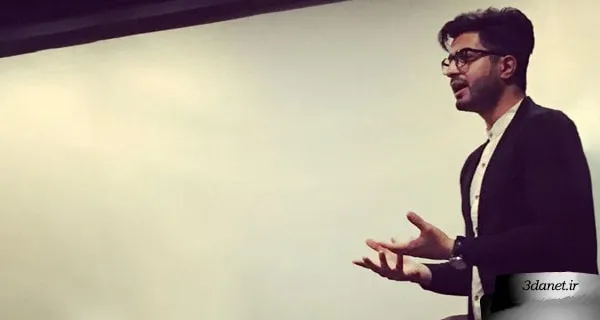
Lecture Series on Martin Heidegger's “The Origin of the Work of Art” by Pezhman Ranjbar
Heidegger's thought in Iran has been widely distorted for political reasons; in a series of lectures, Pejman Ranjbar therefore re-examines the essay 'The Origin of the Work of Art' in search of a fresh understanding and a different reading of this comprehensive text.
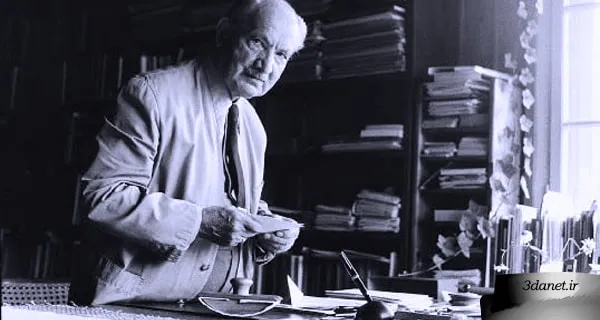
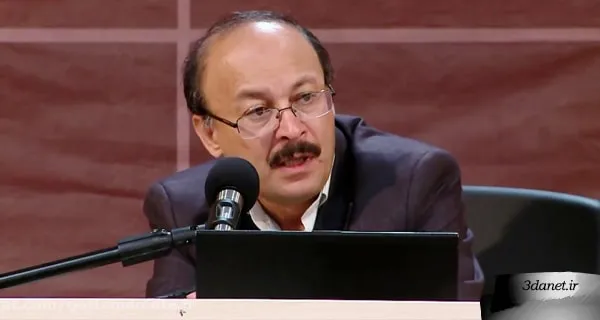
Pezhman Ranjbar's explanation: Heidegger and his thought in Iran are among those subjects that, for political reasons, have been afflicted with a kind of general deviation. It is dangerous because it has led some to advance their inhuman intentions under the guise of Heideggerian ideas. In the wake of this occurrence, a re-reading of him, with all its shortcomings and benefits, seems very necessary. Heidegger's thought is like a meadow that gathers the shade of trees in spring alongside dark, airless crypts. Therefore, in a series of lectures on his readable treatise, "Der Ursprung des Kunstwerks," meaning "The Origin of the Work of Art," we aim to take another look at his views; to see if he can be known in a different way? Can a new encounter be made? Our effort will be focused on this matter. But a question is pertinent here: why a treatise on art? This treatise was chosen because it is, in a way, comprehensive of Heidegger's thought and shows his perspective, and its importance, moreover, lies in the fact that it is the point of departure for Gadamer in his important book Truth and Method. By granting an expanded concept to art, this treatise puts forward a new and noteworthy interpretation.
.
.
Download audio of the first session of the lecture series on The Origin of the Work of Art (for introduction to the sessions)
.
.
Lecture series on The Origin of the Work of Art (written by Martin Heidegger) From 5 May, every Wednesday at 6 PM Shiraz - Rahmatabad - Alley 45 - No. 89 - Association for the Cooperation of Thought and Speech Tel: 07136281100
.
.

Discussion1 comments
با درود، درخواست دارم جلسات بعدی نیز گذاشته شود. از تاریخ کلاس ها، گذشته است.