Psychology
Materialism Is Eating Us from the Inside Out
Psychological research shows that materialism and the preoccupation with possessions destroy happiness and human relationships. The display of wealth on Instagram reflects not only envy but also emptiness and anxiety, and it is tearing society apart.

In the photos posted on the website Rich Kids of Instagram, the dominance of material values, shamelessness, and a particular vulgarity is evident, but there is also something in them that evokes more than just disgust at the naked display of wealth. In these photos—photos of a young man wearing all four of his Rolex watches on his wrist, a young man posing in front of his helicopter, numerous photos of cars, yachts, shoes, mansions, swimming pools, and white, privileged boys striking gangster poses on private jets—there is a shadow of something worse: something that, after viewing a few dozen photos, is disorienting, and even cause for concern.
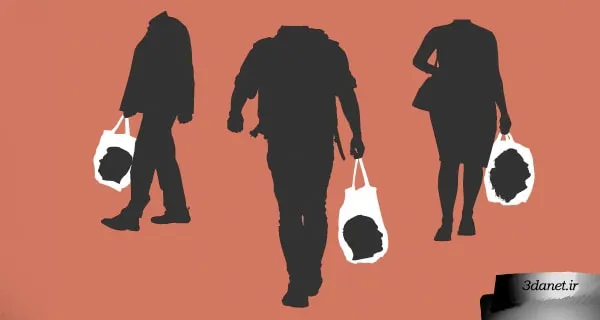
There is no doubt that the purpose of these photos is to provoke the envy of others. But instead of creating despair, a foul stench rises from them. The young men and women who have lost themselves in clothes tailored for them by designers have taken on an inhuman appearance under the influence of their possessions, as if ownership has produced the opposite result. A girl whose head barely emerges from among the shopping bags of goods she has piled up with Chanel, Dior, and Hermès brands on her bed. The caption beneath the photos is "a ton of shopping" and the hashtag is #blessed, but the image that intends to convey abundance and richness instead seems to depict emptiness. The girl is alone with the shopping bags and her reflection in the mirror [picture frame], in a scene that seems to be awash with a feeling of helplessness.
Perhaps I am imposing my own prejudices. But a considerable body of psychological research apparently confirms my feelings on this matter. These studies indicate that materialism, a trait that can affect both the rich and the poor, and which researchers define as a "value system" that is "preoccupied with an individual's possessions and the social image they project," is both socially destructive and self-destructive. It destroys the happiness and peace of mind of those who succumb to it. Anxiety, despair, and broken relationships are associated with it.
A link between materialism, a lack of empathy and concern for others, and dissatisfaction with life has long been found. But research conducted over the past few years seems to show the cause. For example, a series of studies published in July in the journal Motivation and Emotion showed that as a person's attention to material things increases, their well-being (good relationships, autonomy, a sense of purpose, and self-acceptance) decreases. And to the degree that their attention to material things decreases, that well-being increases.
In one study, researchers conducted a survey on a group of 18-year-olds, then repeated the same survey on them 12 years later. They were asked to rate the importance of various goals—career, money, and status on one hand, and self-acceptance, empathy, and affiliation on the other. They were then given a standard diagnostic test to identify their mental and psychological health problems. At both ages 18 and 30, materialistic individuals were more prone to mental disorders. But those whose attention to material things had decreased during this period had become happier.
In another study, psychologists examined Icelanders who had experienced the country's economic collapse. Some of them, hoping to recover their lost economic standing, focused their efforts more on material matters. Others paid less attention to money and turned their attention more to family and community life. According to reports, the first group felt less happiness, while the second group was far happier.
Although these studies illuminate certain points, they merely demonstrate a correlation between these factors. However, in the continuation of this research, the researchers divided a number of materialistic teenagers into two groups. For the first group, they arranged a church program designed to guide them to share their money with others and save it instead of spending it. The self-esteem of the children in this group, who had previously focused on material things, rose noticeably with the program, while the self-esteem of the materialistic children in the other group (who did not participate in the program) declined. Those who had a slight inclination toward materialism before experiencing the program showed no change in their self-esteem.
Another study, published in the journal Psychological Science, concluded that individuals repeatedly exposed in a controlled test to images of luxury goods, advertisements that cast them in the role of consumer rather than citizen, and words tinged with materialism (such as buy, status, asset, and expensive), experienced an immediate but fleeting increase in materialistic desires, anxiety, and depression. They also became more competitive and self-centered, their sense of social responsibility diminished, and they were less inclined to join in challenging social activities. The researchers note that, when we are repeatedly bombarded with such images through advertisements, and the media constantly treats us as consumers, these temporary effects may well be produced in us more or less constantly.
A third study, published (somewhat paradoxically) in the Journal of Consumer Research, examined 2,500 people over a period of 6 years. This investigation found a two-way relationship between materialism and loneliness: a focus on material things reinforces social disconnection; social disconnection intensifies the focus on material things. Those who cut off their relationships with others cling to their possessions and property. This clinging, in turn, repels social relationships.
The two different modes of focusing on material things that have this effect — viewing possessions as a measure of success, and seeking happiness through acquisition — are the modes that seem to be displayed on the “Rich Kids of Instagram” page. It was only after reading the recent study that I realized what it is in these images that disturbs me: it is as if society is tearing itself apart.
Perhaps this is one of the reasons why the economic model based on relentless growth continues to succeed on its own terms, regardless of the mountain of unpayable debts, mental and psychological illnesses, and shattered relationships it may leave in its wake. Perhaps the atomization or extreme fragmentation of society is the best trick ever designed to boost sales, and perhaps relentless marketing is an invincible program for putting this atomization into effect.
It is this focus on material things that drives us to compare ourselves with the possessions of others, a competition that that toxic website has both ruthlessly described and clumsily set in motion. There is no end to this hollow display. If you have four Rolex watches while someone else has five, you are still one short of happiness. Seeking self-esteem and self-worth solely through material things diminishes our self-esteem and self-worth.
I must emphasize that this issue is not about rich and poor: the poor may be just as susceptible to a focus on material things as the rich. It is a general social affliction, brought about by government policies, corporate strategies, the collapse of communities and civic life, and our surrender to a system that is eating us from the inside out and destroying us.
This is the terrible mistake we commit: we give credence to the belief that the more money and possessions we have, the greater our happiness—a belief held not only by those poor, deceived souls in those photographs, but by more or less every individual in almost every ruling system. Worldly desires, material wants, ceaseless growth: these are formulas for achieving collective discontent with life.
Translation: Afsaneh Dadgar
.
.
George Monbiot is a British writer, political activist, and environmental campaigner. What you have read is a translation of this piece by him:
George Monbiot, ‘Materialism: A System that Eats Us from the Inside Out,’Guardian, 9 December 2013.
.
.





Discussion3 comments
اگر هدف بچه پولدارها تحریک حس حسادت در دیگران باشد [ انگونه که در متن خود به ان اشاره کردید ) با خواندن این متن میتوان متوجه شد که (در مورد نویسنده این متن) کاملا به نتیجه خود رسیده اند .
عکس العمل نشون دادن با انگیزه ی برانگیخته شدن حس حسادت یک موضوعه و عکس العمل نشون دادن به این جریان برای جلوگیری از شیفته شدن دیگران به این شیوه زندگی و پشت پرده ی اینچنین رفتارهایی یک جریان دیگه چنین آدم هایی که اینچنین تصاویری توی پیج هاشون به اشتراک میذارن عمدتا اگر با چنتاشون ارتباط داشته باشید متوجه میشید که چه زندگی خانوادگی و شخصی بدون بنیان و از هم پاشیده ای دارن و صرفا یک پدر پولدار و یا ارثیه ی بزرگ باعث این امکانات شده و همین هم باعث بی بهره موندنشون از سایر جنبه های زندگی از جمله همون پدر و خانواده شده و با این رفتارها هم میخوام به خودشون ثابت کنن که خوشبختن و هم فخر فروخته باشن به دیگری که ناملایمات زندگیشون جبران بشه... و کار روانشناسی و جامعه شناسی تحلیل رفتارهای اشخاص و رابطشون با دیگرانه، نمیشه که هر نقدی رو به پای این گذاشت که نویسنده ی نقد حس حسادتش گل کرده و شروع به ایراد گیری کرده... به قول معروف نعل لق صدا میده، اگر کسی از زندگی و امکاناتش راضی باشه ،نیاز به جار و جنجال و نمایش قدرت نداره... جنبه ی دیگه ای که این پست های اینستاگرامی دارن اینه که اکثر نوجوون ها که بیشترین مخاطب این شبکه هان با دیدن این تصاویر شروع به رویا بافی میکنن و اکثرا هم چون هیچ راهی رو نمیبینن که به این مرتبه برسن و یا اگه باشه بسیار سخت و زمانبر در نتیجه یا سرخورده و بی انگیزه میشن و یا رفتارهای نامناسبی با والدین برای فراهم کردن خواسته های نامعقولشوم نشون میدن، و تنها هدفشون این میشه که یه روزی به این ثروت برسن و چنین عکس هایی به اشتراک بذارن...
عالمی را یک سخن ویران کند روبهان مرده را شیران کند از آنطرف سوالی که پیش میآید اینه که چرا عده ای بحدی از حسادت یا کینه یا هیستری و ... میرسند که عمری جنایت میکنند تا کلان جوامع را عوض کرده و در نهایت خودنمایشی انتقامی راه بیندازند؟!!! مگر یک انسان چه میزانی از حس حقارت یا عقده خودکم بینی را میتواند تجربه کرده باشد ؟! اینجاست که روانکاوان و جامعه شناسان زنگ هشداری را میشنوند که رشد کودکی و قوانین عادلانه اجتماعی را نباید دستکم بگیرند تا سرنوشت جوامع بدست روانپریشان دست به دست نچرخد.