Psychology
Pargar: “Bad News – What Does This Constant Stream Do to Us?”
What is the psychological impact of a relentless stream of tragic news on a mass scale, and how does it differ from personal bad news? A psychologist and a researcher in moral philosophy examine the mechanisms of individual and national coping with this flow in an interconnected, internet-driven world.
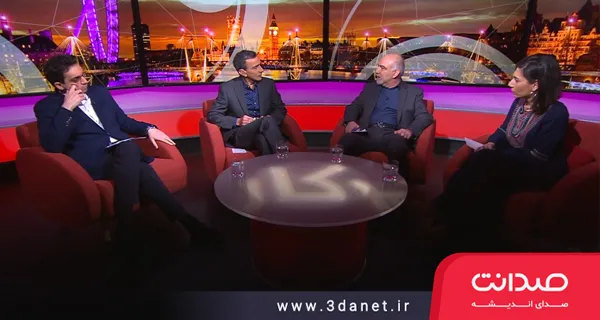
What do bad news do to us? What is the impact of the constant stream of distressing news that is amplified on a massive scale due to its public nature? Not long ago, following the assassination of an Iranian commander, on a night when missiles striking an American base cast the shadow of war over Iran, millions of Iranians inside and outside the country could not sleep. In the days that followed, when the danger of war had passed, the sigh of relief they breathed did not last long. The downing of an airplane left behind a deep, public mourning. And all of this came after a month or two that had turned the streets of Iran into scenes of violence and suppression. And all of this was before the country was plunged into the terror of Corona. What does bad news do to us? How does bad news on a public, massive scale differ from bad news of a personal magnitude? What are the consequences of bad news in the interconnected world of the internet and social networks, where it is amplified on a massive scale, and what mechanisms does each of us have for confronting it? What mechanisms do nations have for confronting the constant stream of bad news?
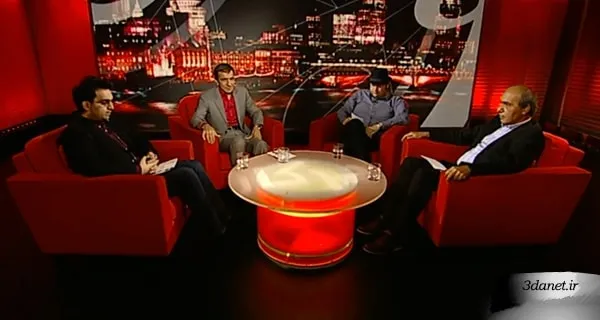
Guests on this week's program:
Reza Kazemzadeh; Psychologist
Hossein Dabbagh; Researcher in moral philosophy
Maryam Zohdi
.
.
Watch this debate on YouTube
Podcast version of the program (audio)
.
.


Discussion1 comments
جان نباشد جز ( خبر ) در آزمون هر که را افزون خبر جانش فزون جان ما از جان حیوان بیشتر از چه زان رو که فزون دارد خبر پس فزون از جان ما جان ملک کو منزه شد ز حس مشترک..