Political Science
Pargar: What Is Ideology and How Does It Work?
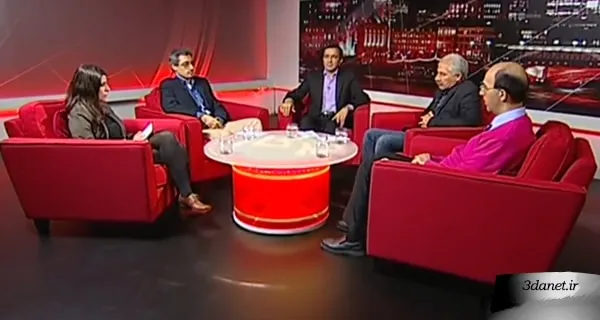
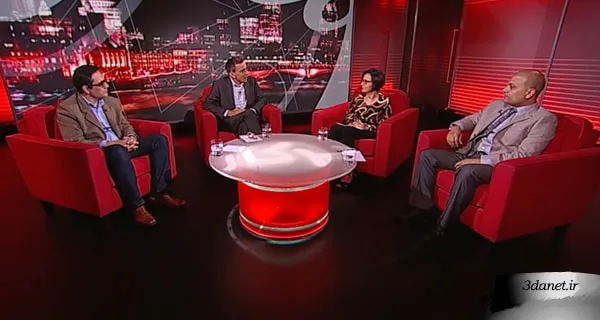
Ideology has gone from being the science of studying ideas during the French Revolution to a political slur. Behrouz Farahani, Salour Malayeri, and Abbas Pouya explore the nature of this concept and the possibility of standing outside it on the programme Pargar.
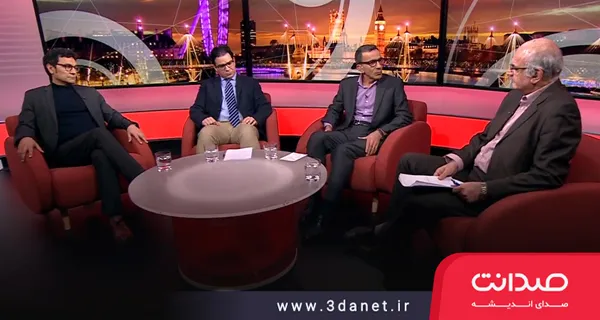
What is ideology? Does ideology, as Karl Marx said, present reality upside down, or is it something more than that? What is the difference between ideology and worldview and its adjacent concepts?
Few concepts in the humanities can be found that have been as tossed and turned as ideology. The scholar who coined this term during the French Revolution had in mind the science of studying ideas, but shortly thereafter, ideology came to be used for the ideas themselves and not their scientific study. Not long after that, not just any set of beliefs, but a set of beliefs that turn reality on its head came to be called ideology. Perhaps it is based on this understanding of ideology that in the years following the Iranian Revolution, ideology gradually turned into a political insult. Those who accuse others of being ideologues often consider themselves free of ideology. But is this so? Can one stand outside ideology and address others from a lofty, non-ideological position?
The guests on this program: Behrouz Farahani, Marxist researcher; Salour Malayeri, cultural studies researcher; and Abbas Pouya, professor of Islamic studies.
.
.
Download the podcast version (audio file)
Watch on YouTube
Download 240p quality on Telegram
Download 720p quality on Telegram
.
.

Discussion0 comments
No comments yet; let yours be the first voice.