Religion
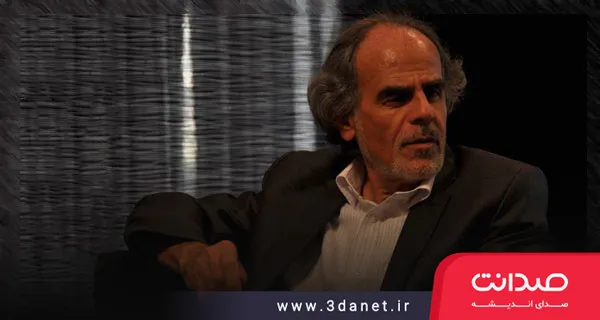
Mostafa Malekian on Depicting the Prophet of Islam in Caricatures
Mostafa Malekian argues that a cartoon of the Prophet, since he is deceased, does not harm him, but it does wound the feelings of his devotees. The solution, he suggests, is to educate believers to broaden their perspective and, if the harm is severe, to transform a moral ruling into a legal one.
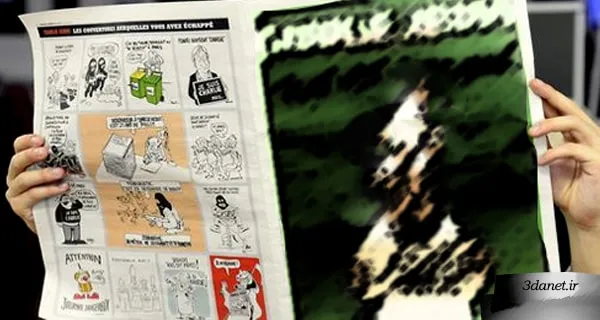
" .... I must mention an important point here, as its practical instances have arisen in recent years.
In the years following the revolution, what has been frequently observed is the drawing of caricatures of the Prophet of Islam and the subsequent perception of this as an insult to him. Here, it seems we have placed constraints on art; on the other hand, since Western society does not legally impose this duty on the artist, it defends them, and consequently, the perception arises that the sole concern of Westerners is an effort to strike at Islam and its sanctities. But it must be understood that they do not impose a legal duty on their artists, and because they do not, they therefore cannot place constraints upon them. This logic is entirely in accordance with the common reason of humanity. A point must be clarified in this regard.
Concerning deceased figures, we must have a different ruling than for living human beings.
The Prophet of Islam has passed away, and hypothetically, a derogatory poem is composed about him. If the speech is about the Prophet himself, deeming it insulting is completely unfounded. Why? Because the Prophet of Islam is not outside of two states: either, upon his passing, according to the view that says humans are annihilated when they die, he too has become absolute nothingness, and therefore there is no one whom we could have offended (since they are utterly annihilated); or, according to another belief, which holds that humans exist after the death of the body, they too are present through eternal return, reincarnation, or resurrection, in which case they are still not distressed by a caricature. Because, according to the words of the great sages, the eternal world is another plane of existence, one of the planes of the world, and this clamor and tumult belongs to a different plane. Therefore, regarding historical figures, whether we believe in resurrection or not, nothing has occurred, and correspondingly, no distress arises for that person.
However, many people are alive now who love that figure. This caricature or poem wounds the feelings and emotions of those admirers. It is here that a crime has been committed, and discussions arise from legal, prudential, and ethical perspectives.
Here, it must be noted that criticism is different from mockery. If someone criticizes the Prophet of Islam, there is no problem whatsoever; but if we abandon criticism and do something that is considered an insult, or is of the category of mockery or vilification—that is, in the sense of making others detest this figure—then unnecessary pain and suffering has been inflicted upon the admirers of that person. The core of ethics is that we should not inflict unnecessary pain and suffering on anyone.
Here, two tasks must be advanced in parallel:
One is to educate those who have become upset so that the horizon of their perspective becomes so broadened that such instances do not cause them suffering. It is not an art to have a low threshold of tolerance; rather, we must reduce sensitivities by expanding the horizon of perspective.
Second, as long as such education has not been institutionalized, it must be said that no one has the right to inflict such pain and suffering on people. Does this ruling also carry legal weight? This depends on the intensity of the pain and suffering. If its intensity exceeds a certain limit and brings about severe psychological and sociological consequences in the global community, then a legal prohibition must also be established. One of the instances where it is permissible to transform an ethical ruling into a legal ruling is when the harm of not implementing this ethical ruling exceeds a certain limit ....."
.
.
Mostafa Malekian's View on Depicting the Prophet of Islam in Caricatures
Source: The Systematization of the Philosophy of Art Course / March 2013
.
.

Discussion1 comments
مرز بین نقد و توهین و استهزاء, مرز بسیار باریکی است. در مورد کشیدن کاریکاتور پیامبر اسلام ,, باید ببینیم آیا کاریکاتور و کشیدن آن به چه منظور انجام می شود؟ آیا کاریکاتور نوعی (نقدِ هنری) است و یا توهین؟ آیا اصلاً می توان امور مقدس را نقد کرد؟ منظور کاریکاتوریست از کشیدن کاریکاتور چیست؟ او به دنبال چه اهدافی است؟ کاریکاتوریست ها با برجسته سازی زشتی ها و خوبی ها شناخته می شوند ,, در واقع کاریکاتوریست کارش با بازی کردن قوه تخیل انسانها به نوعی مرتبط است. او به راحتی می تواند با کشیدن کاریکاتور ,, خیال انسانها را جهت بخشد. کاریکاتوریستی که هدفش به سمت اهداف انسانی و اخلاقی باشد ,, معمولاً خوبی ها را خوبتر و زیباتر و زشتی ها را بدتر و زشت تر نشان می دهد . اما کاریکاتوریستی که اهدافش صرفاً اخلاقی نباشد ,, زیبایی ها را به زشتی مبدل می کند. ممکن است گروهی بگویند که زیبایی و زشتی نسبی است ولی اگر اینگونه باشد , چگونه می توان نسبی ها را محک زد؟ در مورد کاریکاتوریست پیامبر اسلام ,, آیا واقعاًِ او هدفش نقد پیامبر بوده است یا توهین و استهزاء پیامبر؟ من معتقدم کشیدن کاریکاتور امور مقدس ,, امری (توهین آمیز) است . زیرا پایین کشیدن امور مقدس و مطلق در شکل و شمایل کاریکاتور به آن جنبه "نسبی بودن " می دهد. هنگامی که شما امری مطلق و مقدس را کاریکاتوری می کنید در واقع به آن امرِ مقدس جنبه "نسبی بودن" اطلاق می کنید. در این حالت در حالت "نسبی بودن ", هر شخصی مجاز است که نظر بدهد. حال یک کاریکاتوریست می تواند بزرگترین اهانتها را به مقدسات انجام دهند به اسم دموکراسی؟ دموکراسی که او تعریف می کند ,, نهایتِ استبداد است . زیرا جریحه دار کردن روح افراد در لوای اینگونه دموکراسی تعریف شده ,, در واقع در بند کشیدن و زخمی کردن روح گروهی از انسانهاست..