Psychology
New Year's Resolution
The sunk-cost effect compels us to continue down an undesirable path because of past costs; the root of this tendency is the need to justify our decisions to others. The remedy is to disregard the judgment of others and abandon past costs in favor of the desired path.
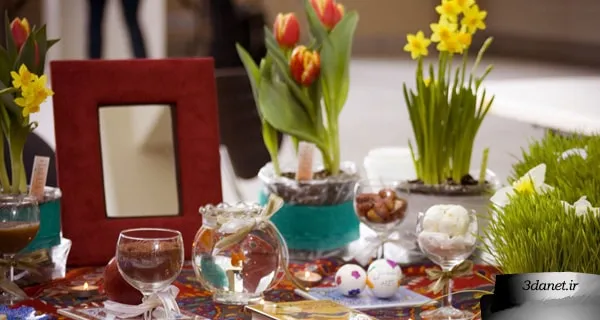
I won't digress! I don't have the time, because there are fewer than 12 hours left until the turn of the year and everything is moving quickly. No one has the patience for digressions either. At the moment of the New Year's transition, when only a few minutes remain until the Earth completes another orbit around the sun, we usually become somewhat sentimental and make many resolutions. Apart from that mystical moment! we also make important decisions for our lives at the beginning of every year, every month, every week, and probably every day. On this pretext, it might not be a bad idea to say a few words, however repetitive and preliminary, about decision-making.
Decision-making is one of the most complex functions of the human mind. Decision-making also has an immensely pervasive presence in our lives: choosing the color of your evening soda, selecting the right outfit for the weekend party, choosing a field of study, choosing a career, and choosing a spouse.
But how do we make decisions? What processes play a vital role in our decision-making? What factors influence our decisions? Providing a comprehensive, scientifically-researched answer to this question is beyond my knowledge, but in this piece, I will share a point about decision-making that I believe plays a very important role in our lives.
Suppose you and your friend have bought two 100,000-toman tickets for an amusement park this Friday, and the tickets are non-refundable. On Friday morning, both you and your friend feel that the amusement park won't really lift your spirits today, and that you would enjoy staying home and watching the football match scheduled for today more. What decision do you make under these circumstances? Do you go to the amusement park, or do you go back home and watch the football match?
A question similar to this was asked of participants in one of the classic studies in the field of decision-making, and many of them said that despite getting less enjoyment from the amusement park, they would still go. Let's examine the costs and benefits of each of the two decisions:
Decision 1: Going to the amusement park
Cost: 100,000 tomans + missing the football match (greater enjoyment)
Benefit: Being at the amusement park (less enjoyment)
Decision 2: Returning home and watching the football match
Cost: 100,000 tomans + missing the amusement park (less enjoyment)
Benefit: Watching the football match (greater enjoyment)
Apparently, Decision 2 has a lower cost and a greater benefit. Yet most people choose Decision 1. This is what is called the sunk-cost effect. The sunk-cost effect, by definition, is the greater tendency toward an activity for which a cost (whether time, money, effort, etc.) has already been incurred. Therefore, Decision 1 is chosen more often because a cost (100,000 tomans) has already been sunk into it.
But why does such a phenomenon occur? We have only chosen a name for it so far, but choosing a name cannot explain why this phenomenon happens. Why do we fall prey to the sunk-cost effect and make a decision with a higher cost and lower benefit? One of the causes of this phenomenon is that we humans feel a need to justify our actions to others. If you turn back midway to the amusement park and go home to watch the football match, you cannot justify paying 100,000 tomans for the amusement park to others. You will likely be accused of poor planning and extravagance, and others will think there's something wrong with you! This is why this effect is observed more when an individual is held accountable for their decision in front of others. Furthermore, the sunk-cost effect is seen less in children and members of other species than in adult humans, because children and animals probably do not feel the need to justify their actions to other members of their species.
But I wish the sunk-cost effect only applied to the price of an amusement park ticket. The bitter truth is that this effect has influenced the most important decisions of our lives. You do not need to search far to hear a student's complaint about their field of study, to learn of someone's torment in continuing their shared life, to see a businessperson's weariness with their job, and so on. Our surroundings are full of decisions that have high costs and low benefits. Many people are dissatisfied with their jobs, their fields of study, their friends, their spouses, and their beliefs and behaviors, yet they do not decide to change their circumstances and path, because they have incurred costs in their undesirable path, and if they leave the current path, they cannot justify incurring these costs to others.
Without further ado, it seems to me that the most obvious thing we must do to counter the sunk-cost effect is to examine whether we truly must justify our decisions to others, and whether our decisions should revolve around the approval and disapproval of others. It seems that if we become completely indifferent to the value judgments of others and conclude that we do not need to justify our decisions to them, we will be less susceptible to the sunk-cost effect. The felt need to justify our decisions to others and caring about their value judgments has inflicted heavy losses on each of our lives.
But demanding justification from others and making value judgments about them from our side also makes their decisions more vulnerable to the sunk-cost effect. We have not infrequently seen the harsh treatment faced by someone who has changed their field of study or job, or has decided to stop living with their partner. Usually, the first question we ask when encountering such individuals is, what happened that made you make this decision, and we will probably point out that, after all, they have spent some money, time, and effort on their previous path. This manner of treatment is what prevents many people from deciding to change their current, undesirable situation, and this is precisely the sunk-cost effect.
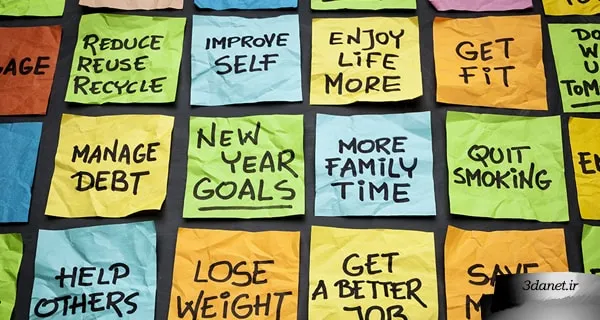
My first New Year's resolution is a decision directed at my decision-making: by practicing indifference to the value judgments of others, to minimize the sunk-cost effect in my own decisions, and also, by refraining from value judgment and demanding explanations from others about their decisions, to not play a destructive role in the decision-making of others. I also invite the reader of this piece to reflect on this matter, and if what has been said is convincing, to make a new resolution directed at their own decision-making. Each of us has incurred costs on certain paths and is probably dissatisfied with that path; it is better to ignore those costs and spend the remaining capital on a new, desired path. One must forget lost gambles and gamble on the desired and favorable path. When thinking about this subject, the following verse by Rumi comes to my mind, without claiming that its content is exactly what I have outlined here:
Blessed is that gambler who lost all that he had / So that nothing remained to him but the desire for another gamble
Finally, I must explicitly state that not all decision-making is reducible to the sunk-cost effect, nor is indifference to the value judgments of others the only way to improve decision-making. Also, in every decision, many legal, ethical, and other points must be considered, which are preserved in their proper place, and the reader of this piece knows that my aim in raising these points is not to ignore the other aspects of decision-making. I felt that a preliminary discussion of this aspect of decision-making in this hot market of resolutions might not be a bad thing.
.
.
New Year's Resolution
Author: Ahmad Lotfi
.
.



Discussion6 comments
سپاس از تذکرتان عالی بود
با تشکر از زحمتی که می کشید، امیدوارم روزی فرا رسد که ایرانی خودش فکر کند و عزت نفس از دست رفته خود را که دراثر رتفوق غرب ایجاد شده دوباره کسب نماید. امیدوارم که تبریکات عید دیگر ترجمه کارت پستال های انگلیسی و فرانسه نباشد و ایرانی خودش احساساتش را بیان کند. امید وارم که این متون ترجمه ای جای خود ا به بیان اندیشه ایرانی بدهد. تا زمانی که ترجمه متون خارجی رواج دارد اندیشه ایرانی به جحایی نخواهد رسید. باری دیگر از این که احساسات خالصانه خود را بیان می دارید سپاس گزارم
بالاخره احساسان خالصانه هست یا ترجمه متون خارجی؟؟ به نظر یه استپ کنید ببینید با خودتون چند چندید بعد بنویسید
عالی بود.
بسیار عالی ممنون
ممنون. خیلی مفید بود. سال خوبی در پیش داشته باشید.