Philosophy
Peter Singer: The Bitter Taste of Sugar
Sugar production is often tied to land grabbing and the violation of local communities' rights; citing an Oxfam report, Peter Singer calls on food companies to take responsibility for their suppliers' conduct and follow the model of the apparel industry.
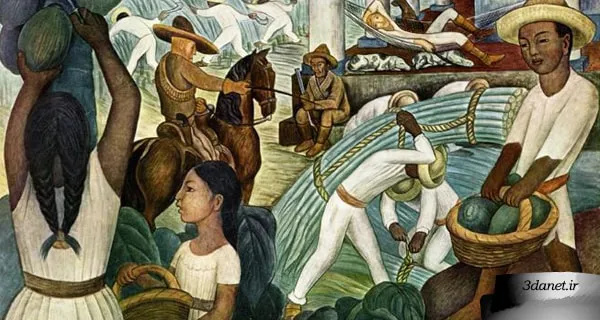
PRINCETON – Sugar is sweet, but the ethics of its production are not. “Sugar Rush,” a recent report published by Oxfam International as part of its “Behind the Brands” campaign, has shown that our use of sugar implicates us in land grabs that violate the rights of some of the world’s poorest people. More informed and ethical consumers can change this practice. We are genetically programmed to like sweet things, and as people become wealthier, they consume more sugar. Rising sugar prices have driven producers to seek more land to cultivate sugarcane. Unsurprisingly, when the interests of the poor conflict with those of the wealthy, it is the poor who lose out. The Oxfam report provides countless examples of producers seizing people’s land without their consent, turning farmers into landless laborers. Let me draw your attention to one example. In Pernambuco, a state in northeastern Brazil, a group of fishing families had been living on islands at the mouth of the Sirinhaém River since 1914. In 1998, the Usina Trapiche sugar refinery filed a petition with the government to obtain these lands. The island residents say that following its petition, the company proceeded to destroy their homes and small farms – and threatened further violence against those who did not abandon their lands. The fishing families say that as recently as last year, refinery employees burned down the homes they had rebuilt. Trapiche relocated the families to a nearby settlement where they had access to electricity, water, sanitation, and a school, but if they wanted to continue fishing, they had to travel a great distance. Most of them are still seeking to return to the islands where they previously lived. Both Coca-Cola and PepsiCo use Usina Trapiche sugar in their products. Does these two companies’ use of the sugar refinery’s products make them responsible for the wrongs done to the people whose land Trapiche uses to produce sugar? In the 1990s, Nike tried to absolve itself of responsibility for the use of child labor and other unconscionable labor practices in the factories that produced its athletic shoes. Faced with a decline in customers, it ultimately made the right decision by inspecting its contracted factories, addressing the problems, and bringing transparency to its supply chain. Similarly, McDonald’s initial response to criticism of its suppliers regarding animal welfare was to sue the activists who made such claims. The company expected its critics to back down. But when two of them defended themselves in court, the longest libel trial in British legal history ensued, resulting in a public-relations disaster for the corporate giant. After the judge found that some of the activists’ claims were not libelous, because they were justified in their allegations, McDonald’s accepted responsibility for the animal-welfare violations of its suppliers. Since then, this event has become a highly compelling force for progress in the treatment of animals used for food production in the United States. More recently, the collapse of the Rana Plaza garment factory in Bangladesh early last year, which killed more than 1,000 people, raised a similar question for the apparel industry. Associated British Foods (ABF), a major sugar producer and owner of the Primark clothing retail chain, along with 80 other apparel brands, took responsibility for its suppliers by joining the legally binding building-safety agreement backed by trade unions and the Bangladeshi government. What applies to the garment industry must also apply to the food industry, and this should hold true not only for sugar but for every other food product as well.
Oxfam is asking ten of the largest food brands to demonstrate their management of this issue by accepting responsibility for the land rights violations their suppliers are involved in. Specifically, Oxfam is asking these global companies not to source from suppliers who have acquired the land they cultivate from small-scale food producers without those producers' free and informed consent. If agricultural land has already been acquired without such consent, and land ownership is disputed, Oxfam is asking these corporations to insist on fair procedures regarding these disputes. The "Behind the Brands" campaign includes a scorecard that ranks these ten major companies on various issues, including their impact on workers, water, land, women, and climate change. On land-related issues, Oxfam assesses PepsiCo and ABF as either "poor" or "very poor." Nestlé assigns itself a better score because its strategies for its suppliers—used in the sourcing of sugar, soy, palm oil, and other commodities—require them to obtain the prior, free, and informed consent of local and indigenous communities before acquiring their lands. Of these ten major companies, Nestlé was the first to fully support this principle. Then, on November 7, Coca-Cola responded to Oxfam's campaign by announcing it would "crack down" on land grabbing by its suppliers and bottlers. Coca-Cola committed to transparency regarding the companies that supply it with sugarcane, soy, and palm oil so that assessments related to social, environmental, and human rights could be carried out; the company also committed to addressing the case of the Usina Trapiche company in connection with the dispute with the fishing families of the Sirinhaém River. Oxfam's advocacy is raising standards for the global food industry. If PepsiCo and ABF want us to consider them ethical producers, they must follow the example of Nestlé and Coca-Cola and accept responsibility for their suppliers' conduct towards some of the world's poorest and most vulnerable people..
The Bitterness of Sugar
PRINCETON – Sugar is sweet, but the ethics of its production is anything but appealing. “Sugar Rush,” a recent report released by Oxfam International as part of its “Behind the Brands” campaign, has shown that our use of sugar implicates us in land grabs that violate the rights of some of the world’s poorest communities. Better-informed and more ethical consumers could change this.
We are genetically programmed to like sweet things, and when people become more affluent, they consume more sugar. The resulting increase in sugar prices has led producers to seek more land on which to grow sugarcane.
It is no surprise that the poor lose when their interests conflict with those of the rich and powerful. The Oxfam report provides several examples of producers who have acquired land without the consent of the people who live on it, turning farmers into landless laborers. Here is one.
In the northeastern Brazilian state of Pernambuco, a group of fishing families had lived since 1914 on islands in the Sirinhaém River estuary. In 1998, the Usina Trapiche sugar refinery petitioned the state to take over the land. The islanders say that the refinery then followed up its petition by destroying their homes and small farms – and threatening further violence to those who did not leave.
As recently as last year, the fishing families say, employees of the refinery burned down homes that had been rebuilt. Trapiche moved the families to a nearby town, where they gained access to electricity, water, sanitation, and schooling, but if they want to continue to fish, they have to travel a long distance. Many of them are still seeking to return to the islands.
Both Coca-Cola and PepsiCo use Usina Trapiche sugar in their products. Does that make them responsible for the wrongs done to the people whose land Trapiche is using to produce that sugar? In the 1990’s, Nike tried to wash its hands of responsibility for the use of child labor and other unconscionable labor practices in the factories that produced its sneakers. That did not go down well with its customers, and in the end Nike decided to do the right thing, inspecting factories, tackling problems, and being transparent about its suppliers.
Likewise, McDonald’s initial response to criticism of its suppliers’ animal-welfare practices was to sue the activists who made the allegations. The company expected that its critics would give up. But when two of them, with nothing to lose, defended themselves in court, the result was the longest libel trial in British legal history – and a public-relations disaster for the corporate giant.
After the judge held that some of the activists’ claims were not defamatory, because they were true, McDonald’s began to accept responsibility for its suppliers’ practices. It has since become a much-needed force for improvement in the treatment of animals used for food in the United States.
More recently, the collapse of the Rana Plaza garment factory in Bangladesh earlier this year, which killed more than 1,000 people, posed a similar question for the garment industry. Associated British Foods (ABF), which is both a major sugar producer and the owner of the retail clothing chain Primark, took responsibility for its suppliers by signing up, along with 80 other clothing brands, to a legally binding building-safety agreement supported by trade unions and the Bangladeshi government.
What applies to the clothing industry should hold for the food industry, too – and not just for sugar, but for all food production. Oxfam is asking the ten biggest food brands to show leadership by acknowledging their responsibility for land-rights violations involving their suppliers.
In particular, Oxfam wants these global companies to avoid buying from suppliers that have acquired land from small-scale food producers without these producers’ free, prior, and informed consent. Where land has already been acquired without such consent, and the acquisition is in dispute, Oxfam wants the corporations to insist on fair dispute-resolution procedures.
“Behind the Brands” includes a score sheet, ranking the Big 10 on a range of issues, including their impact on workers, water, land, women, and climate change. On land issues, Oxfam rates PepsiCo, and ABF either “poor” or “very poor.” Nestlé scores better, because its guidelines for suppliers – used for the sourcing of sugar, soy, palm oil, and other commodities – require that they obtain the free, prior, and informed consent of indigenous and local communities before acquiring land.
Nestlé was the first of the Big 10 to support this principle fully. Then, on November 7, Coca-Cola responded to the Oxfam campaign by declaring that it would have “zero tolerance” for land grabbing by its suppliers and bottlers. Coca-Cola committed to disclosing the companies that supply it with sugar cane, soy, and palm oil, so that social, environmental, and human rights assessments can be conducted; it will also engage with Usina Trapiche regarding the conflict with the fishing families of the Sirinhaém River estuary.
Oxfam’s advocacy is raising the standards for the global food industry. If PepsiCo and ABF want us to regard them as ethical producers, they need to follow the lead of Nestlé and now Coca-Cola, and accept responsibility for their suppliers’ conduct toward some of the world’s poorest and most powerless people.
.
.
Source of this note:
The Bitterness of Sugar
Author: Peter Singer
Translator: Behnam Khodapanah
.
.





Discussion0 comments
No comments yet; let yours be the first voice.