Philosophy
Peter Singer's “The Ethics of Eating”
Industrial agriculture deprives animals of a life worthy of respect, and consumers have a moral obligation to withdraw support from cruel farming practices; Peter Singer underscores the ethical power of consumers.
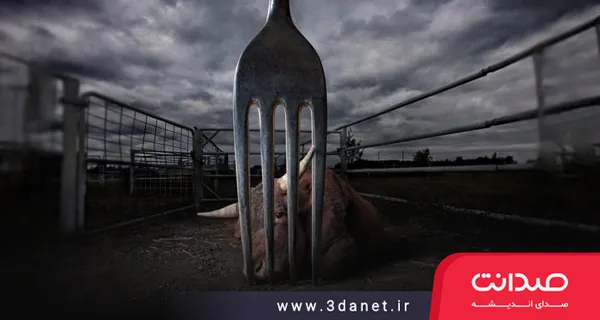
Global meat consumption is predicted to double by 2020. But in Europe and North America, concern about the way meat and eggs are produced is growing. Ever since it became widely known that to produce so-called “white” veal—which is actually pale pink—newborn calves are separated from their mothers, deliberately made anemic by being deprived of fiber, and kept in stalls so small they cannot even walk around and turn, veal consumption has fallen sharply. In Europe, mad cow disease shocked many people, not only because it shattered preconceptions about beef as a wholesome and healthy food, but also because people realized that the disease was caused by feeding cattle the nerve and brain tissue of sheep. People who naively believed that cows were fed on grass discovered that herds of farmed cattle may be fed anything from corn to dried fish, poultry litter (along with chicken manure), and slaughterhouse waste. Concern about how we treat farm animals is too great to be confined to the small percentage of humans who are vegetarian or even vegan (that is, those who consume no animal products, including eggs and dairy). Despite strong ethical arguments in favor of vegetarianism, this approach is still not the dominant one. The most common view at present is that we are justified in eating meat insofar as the animals have a decent life before they are killed. The problem, as Jim Mason and I have described in our recent book, The Way We Eat, is that industrial agriculture denies animals even a minimally decent and dignified life. Today, tens of billions of chickens are produced that never see the light of day. They are bred to have an insatiable appetite and to fatten as rapidly as possible, and are therefore raised in sheds that hold more than 20,000 birds. The level of ammonia given off by their accumulated droppings is such that it burns the eyes and damages the lungs. These birds, slaughtered only 45 days after birth, have immature bones that can barely support their body weight. Some collapse and, unable to reach food or water, soon die. Their fate bears no relation to the economics of the enterprise as a whole. Conditions are far worse for laying hens, which are crammed into wire cages so small that even if there were one such cage per hen, they would be unable to spread their wings. But typically at least four hens, and often more, are packed into such cages. Under such crowded conditions, more aggressive and dominant birds are likely to peck weaker hens to death. To prevent this, producers cut off the beaks of all the birds with hot blades. A hen’s beak is full of nerve tissue—and is her primary means of interacting with her environment—yet no anesthetic or painkiller is used to spare them from pain. Pigs are perhaps the most intelligent and sensitive animals whose meat we commonly eat. When roaming the countryside in search of food, they can exercise their intelligence and explore their varied environment. Before giving birth, sows use straw or leaves and branches to build a safe and comfortable nest in which to nurse their young. But today in animal factory farms, pregnant sows are kept in crates so narrow that they cannot turn around, or even take more than one step forward or backward. They are placed on concrete stalls devoid of any straw, litter, or bedding. Their piglets are taken from them as quickly as possible so that the mothers can be impregnated again, and they are never let out of these sheds until they are sent to slaughter.
Proponents of this method of meat production argue that these methods, while regrettable, are a necessary response to the demand for food for a growing population. And this is while, when we confine animals in factory farms, we must produce food to raise them. Animals burn most of the energy from consuming their feed merely for breathing and keeping their bodies warm, so a very small fraction of the nutritional value of the food they eat—usually less than a third and sometimes less than a tenth—reaches us. Conversely, by grazing on pastures, cattle eat food that we cannot digest, which means they add to the amount of food available to us. It is regrettable that countries such as China and India, as they become more prosperous, are copying Western methods and providing more meat and eggs for their growing middle class by placing animals in large industrial farms. If this method continues, the result will be more suffering for animals on an even larger scale than what currently exists in the West, as well as more environmental damage and an increase in heart disease and cancers of the digestive system. This method will even be grossly inefficient. As consumers of these products, and as a moral duty, we have the power to refuse to support conventional methods of raising animals that are cruel to them and bad for us.
.
.
The Ethics of Eating
Global meat consumption is predicted to double by 2020. Yet in Europe and North America, there is growing concern about the ethics of the way meat and eggs are produced. The consumption of veal has fallen sharply since it became widely known that to produce so-called “white” – actually pale pink – veal, newborn calves are separated from their mothers, deliberately made anemic, denied roughage, and kept in stalls so narrow that they cannot walk or turn around.
In Europe, mad cow disease shocked many people, not only because it shattered beef’s image as a safe and healthy food, but also because they learned that the disease was caused by feeding cattle the brains and nerve tissue of sheep. People who naively believed that cows ate grass discovered that beef cattle in feed lots may be fed anything from corn to fish meal, chicken litter (complete with chicken droppings), and slaughterhouse waste.
Concern about how we treat farm animals is far from being limited to the small percentage of people who are vegetarians or even vegans – eating no animal products at all. Despite strong ethical arguments for vegetarianism, it is not yet a mainstream position. More common is the view that we are justified in eating meat, as long as the animals have a decent life before they are killed.
The problem, as Jim Mason and I describe in our recent book, The Way We Eat, is that industrial agriculture denies animals even a minimally decent life. Tens of billions of chickens produced today never go outdoors. They are bred to have voracious appetites and gain weight as fast as possible, then reared in sheds that can hold more than 20,000 birds. The level of ammonia in the air from their accumulated droppings stings the eye and hurts the lungs. Slaughtered at only 45 days old, their immature bones can hardly bear the weight of their bodies. Some collapse and, unable to reach food or water, soon die, their fate irrelevant to the economics of the enterprise as a whole.
Conditions are, if anything, even worse for laying hens crammed into wire cages so small that even if there were just one per cage, she would be unable to stretch her wings. But there are usually at least four hens per cage, and often more. Under such crowded conditions, the more dominant, aggressive birds are likely to peck to death the weaker hens in the cage. To prevent this, producers sear off all birds’ beaks with a hot blade. A hen’s beak is full of nerve tissue – it is, after all, her principal means of relating to her environment – but no anesthetic or analgesic is used to relieve the pain.
Pigs may be the most intelligent and sensitive of the animals that we commonly eat. When foraging in a rural village, they can exercise that intelligence and explore their varied environment. Before they give birth, sows use straw or leaves and twigs to build a comfortable and safe nest in which to nurse their litter.
But in today’s factory farms, pregnant sows are kept in crates so narrow that they cannot turn around, or even walk more than a step forward or backward. They lie on bare concrete without straw or any other form of bedding. The piglets are taken from the sow as soon as possible, so that she can be made pregnant again, but they never leave the shed until they are taken to slaughter.
Defenders of these production methods argue that they are a regrettable but necessary response to a growing population’s demand for food. On the contrary, when we confine animals in factory farms, we have to grow food for them. The animals burn up most of that food’s energy just to breathe and keep their bodies warm, so we end up with a small fraction – usually no more than one-third and sometimes as little as one-tenth – of the food value that we feed them. By contrast, cows grazing on pasture eat food that we cannot digest, which means that they add to the amount of food available to us.
It is tragic that countries like China and India, as they become more prosperous, are copying Western methods and putting animals in huge industrial farms to supply more meat and eggs for their growing middle classes. If this continues, the result will be animal suffering on an even greater scale than now exists in the West, as well as more environmental damage and a rise in heart disease and cancers of the digestive system. It will also be grossly inefficient. As consumers, we have the power – and the moral obligation – to refuse to support farming methods that are cruel to animals and bad for us.
.
.
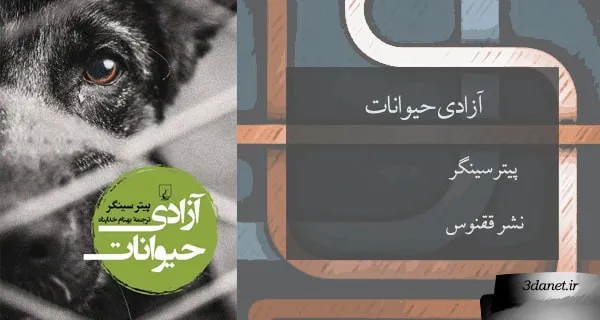
The Ethics of Eating
Author: Peter Singer
Translator: Behnam Khodapanah
Article source:
http://www.project-syndicate.org/commentary/the-ethics-of-eating
.
.


Discussion3 comments
سلام.من این مقاله رو مقابله کردم.بسیار اشتباه دارن.بگذریم از جاهایی که اشتباه نیست ولی معادل های بهتری هست
با تشکر از مترجم گرامی، احتراما نکاتی چند صرفا جهت تلمذ اینجانب پیشنهاد میشود: الف_ موارد املایی یا تک واژه ای: برای عنوان و تیتر پیشنهاد میشود؛ اخلاق ( شناسی ) تغذیه. پاراگراف اول، بجای واژه فراگیر، شاید واژه ( گسترده یا شایعی ) مخصوصا دومی، مفهوم ضمنی جمله را بهتر ادا میکند. پاراگراف دوم، بجای واژه خام دستانه، واژه ( ساده ای یا ساده لوحانه ) پیشنهاد میشود. پاراگراف چهارم، بجای واژه های آراستگی و نجابت، واژه ( مناسب یا باکیفیت ) پیشنهاد میشود. زیرا معنای اول واژه decent عبارتست از good enough standard or quality و واضحه که معنای اخلاقی و ارزشی در ادامه دیکشنری آمده هم در آکسفورد و هم در لانگمن. پاراگراف پنجم، واژه ( قوی تر ) معنای dominant را بهتر ادا کرده با مفهوم کلی جمله تناسب بیشتری دارد. ب_ موارد انشایی: جمله بندی برخی موارد میتواند متن را روان و سیال نموده و از پیچیدگی و غموض برهاند. مثلا آوردن دو تا فعل پشت سرهم نالازمه، مثلا پاراگراف سوم در سطر چهارم که ( ... هستند محدود شود ... ) یا مثلا در همان پاراگراف اول، جمله ( مصرف گوشت کاهش یافته ) میتواند در ابتدای جمله بیاید تا خواننده مجبور نباشد پس از طی چندین سطر ، به منظور مولف پی ببرد. یا حتی اولین جمله آغازین میتواند چنین ایجازی بخود بگیرد ( مصرف جهانی گوشت تا سال ۲۰۲۰, دو برابر پیش بینی شده ست ). البته سلایق در موارد انشایی بسیار متنوعه و حکم قطعی نمیشه داد. موارد فوق صرفا جهت بهبود کیفیت در جزییات بود وگرنه کلیات ترجمه خوب و جالب بود.
مقاله ای با موضوعی عالی بود. از مترجم محترم و سایت صدا نت سپاس گزارم. متن می تواند با یکی دوبار بازخوانی، روان تر بشود. متشکرم.