Psychology
Self-Knowledge and Psychological Schemas Podcasts
Ready-made instructions rarely have a deep impact; real change comes through self-knowledge and understanding our schemas. The podcast 'Self-Knowledge and Psychological Schemas' uses audio dramatisation and behavioural analysis to help uncover and reduce the influence of these patterns.
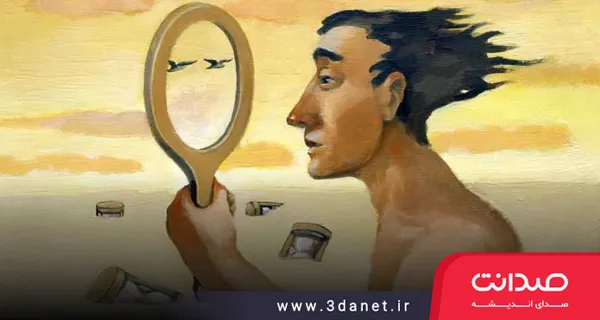
Self-Knowledge and Psychological Schemas
One's own self is among the most unknown entities to each individual. But why is it necessary to know ourselves? Wouldn't it be better, if we seek a better life, to spend our time learning skills? Studies indicate that the ready-made instructions that try to tell us what to do (for example, how to manage our anger or our relationships with others), while useful, often do not have deep and long-term effects on us. Long-term effects are achieved when we pass through the path of self-knowledge.
Self-knowledge is becoming aware of the lens through which I see the world, relationships, and life. What has been the history of my life that has shaped such a view in me?
The glasses through which we look at the world are called schemas in the schema therapy approach. When we know what patterns govern our unique feelings and behavior, we understand ourselves and can gradually change them, or at least be less influenced by them. The encouraging point is that merely becoming aware of our schemas significantly reduces their influence on our feelings and behavior.
In each episode of the Self-Knowledge and Psychological Schemas podcast series, produced by "Pars Development Activists", you will become acquainted with one psychological schema. Each episode contains an audio drama and an analysis of the characters' behavior, which addresses both the developmental roots of the schema and its various behavioral manifestations. The content is designed so that with its help, you can more easily discover to what extent each schema applies to you.
.
.
Self-Knowledge and Psychological Schemas Podcasts on:
.
.
The Subjugation Schema
Are you a self-sacrificing, submissive, or stubborn person? If your answer to any of the above is yes, you may have the psychological schema of subjugation. But what is the subjugation schema?
In this episode, you will hear an audio drama that will clarify the various dimensions of the subjugation schema for you. After this drama, you will listen to an analysis of each character's behavior.
Listen on Shenoto | SoundCloud | CastBox
.
The Emotional Deprivation Schema (Lack of Affection)
Do you feel lonely? Do you feel that no one understands you? Emotional deprivation is a trap in which a person feels loneliness, lack of affection, being overlooked, helplessness, and deprivation of emotion. People with this schema feel they will be forever alone or deprived of genuine affection and believe their needs will never be met in relationships. Emotional deprivation has various types. Do you suffer from one of these types? What kind of childhood experiences lead to the formation of such a schema? Do all people who have this schema cope with it in the same style?
In this episode, you will first become acquainted with the types of emotional deprivation and different coping styles through an audio drama. After the drama, you will hear an analysis of the characters' behavior and personality.
Listen on Shenoto | SoundCloud | CastBox
.
The Mistrust and Abuse Schema
Do you feel you cannot trust anyone? Is the affection of those around you unbelievable to you, and do you search for a hidden agenda in them? Have you continually experienced relationships where the other person violates your character? Do you yourself behave moodily and harshly with those around you?
Listen on Shenoto | SoundCloud | CastBox
.
The Defectiveness and Shame Schema
Do you find your behavior and feelings similar to some of the individuals in this drama?
In this episode, you will first become acquainted with the signs and manifestations of the defectiveness and shame schema and the different coping styles (surrender, avoidance, and overcompensation) through an audio drama. After the drama, you will hear an analysis of the characters' behavior and personality.
Listen on Shenoto | SoundCloud | CastBox
.
To be continued...
.
.



Discussion0 comments
No comments yet; let yours be the first voice.