Psychology
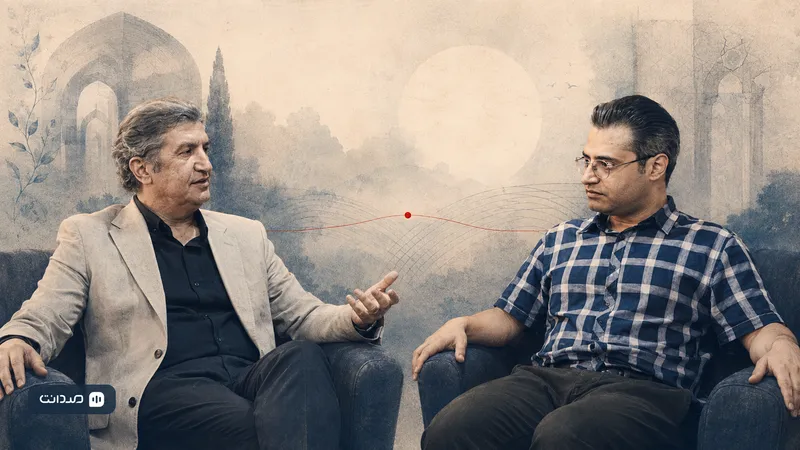
The 'Ādami' Conversation Series: A Dialogue with Javad Hatami
The failure of theories stems from a flawed understanding of the human being, and the cognitive sciences claim to theorize about human nature. 'Ādami' (The Human), with Javad Hatami, offers a reading of the human based on the findings of these sciences.
The endeavor to understand the nature of humanity and the workings of the human mind and psyche has a history spanning several millennia. Throughout history, many thinkers and philosophers have sought to offer a description of the human being and, based on that, to provide ethical, legal, social, political, and other recommendations. Many doctrines and theories (including the utopias proposed by various thinkers) are founded upon this fundamental question: "What is the human being?" Consequently, one of the most important ways to evaluate these theories is to critique the assumed anthropology behind them. The reason for the failure of many of these theories can be seen in the fact that they were based on an incorrect understanding of the human being; as if the theorist offered their recommendations not for the real human, but for an imaginary being that existed only in their own conception.
With the formation of modern empirical science and the use of the scientific method to study the human mind, psyche, and behavior, psychologists and cognitive scientists have become one of the main claimants to theorizing about human nature. In the 'Ādami' conversation series, we delve into various topics in the realm of the human mind, psyche, and behavior, and strive to present a reading of the human being that is grounded in the findings and new theories of experimental psychology and cognitive science.
Dr. Javad Hatami, a psychologist and one of the prominent figures in the field of cognitive science, is a faculty member of the School of Psychology at the University of Tehran and the Institute for Cognitive Science Studies.
.
.
First Topic: Identity
A conversation between Ahmad Lotfi and Dr. Javad Hatami
.
To be continued...
.
.




Discussion3 comments
یکی از تصورات غلط و نادرست مبتنی بر جهان بینی برآمده از الهیات ادیان تاریخی و سنتی مثل اسلام و فلسفه های سنتی و قدیمی در مقوله ی انسان شناسی که اکنون نادرستی و موهوم بودن و منسوخ شدن این تصور به وسیله ی تحقیقات علم تجربی جدید و همین طور برخی علوم انسانی جدید ثابت شده است باور به وجود مقوله ای به نام " فطرت " در وجود همه ی انسانها بوده است . فطرت در اصطلاح به ویژگی هایی ذاتی که از سوی خداوند در انسان به ودیعه نهاده شده است و در همه ی انسانها مشترک می باشد گفته می شود که در باب آن ادعا می شود آموزش در کم یا زیاد شدن این مقولات تاثیر دارد اما اصل آن را تغییر نمی دهد . قائلان به فطرت مقولاتی مثل خداباوری را از مقولاتی فطری می شمارند و اگر کسانی به این مقولات فطری مورد ادعای آنها باور نداشته باشند ادعا می کنند که از فطرت پاک ! خود منحرف شده اند . اما تحقیقات علم تجربی جدید به خصوص علم ژنتیک و همین طور برخی علوم انسانی به خصوص تاریخ و شواهد برآمده از آن نشان می دهد که ما مقوله ای به نام فطرت و یا چیزی و امری که فطری و خدادادی ذاتی به این معنا که قائلان به فطرت می گویند نداشته و نداریم که دیگر کسی بخواهد از آن منحرف شود . بلکه تمام مقولاتی که فطری نامیده می شود مثل خود خداباوری ، یا حاصل ژنتیک می باشد که از اجداد ما به ارث رسیده یا حاصل آموزش و پرورش و جامعه پذیری در اجتماع و فرهنگ جوامع و میراث آنها که در طول تاریخ تفکر و تکامل اندیشه ها در جوامع انسانی شکل گرفته و به انسانها به ارث رسیده است می باشد نه این که به طور ذاتی در همه ی انسانها وجود داشته باشد .
با درود وخسته نباشید لطفا اگه مقدوره از طریق آپارات یا پی دی اف این برنامه رو بفرستین با تشکر
خیلی سپاسگزارم ازمطالب مفید و کاربردی شما .اژ زحمت های همه ی شما تشکر میکنم . چند ساله علاقه به شناخت ماهیت و وجود انسان دارم و امیدوارم از طریق سایت خوب شما به فهم بهتری برسم