Sociology
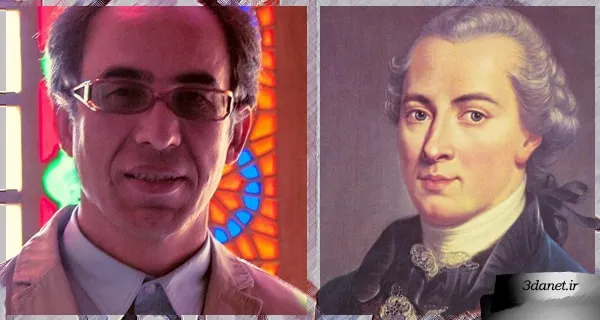
The Society of the Spectacle by Morteza Mardiha
Iran is a spectator society where the means of participation have been taken from the people, and lamentation is like scratching a wound. Morteza Mardiha argues that while we must preserve optimism, we should avoid false hopes and accept that sometimes there is nothing to be done.
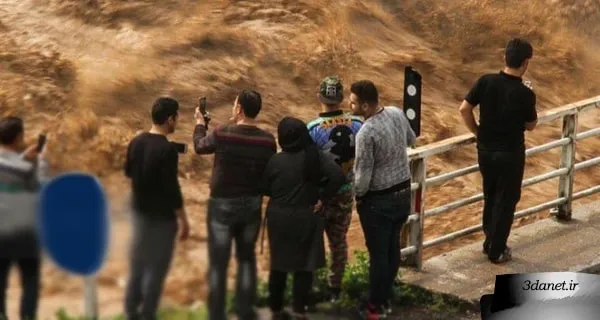
Some kind friends ask why I don't write anything. And my answer is: what should I write, and why? If I were to ignore the conditions Iran finds itself in today and turn to other concerns (literary or scientific, for instance), there is the fear that the general audience would say, the house is ruined from its foundations, and the master is preoccupied with the design of the porch. And if I set about speaking of the principal afflictions and obstacles (or what are taken to be principal), what can I say that others haven't already said, and is any problem ever solved merely by talking? A huge portion of what we constantly say and lament about the governance and the micro- and macro-management of society resembles scratching a wound. It brings a little relief but solves no problem. Scratching, too, requires no expert instruction. These repetitive recitations of ours, sometimes from morning till night, are just a pouring out of the heart, which for some acts like a radiator, slightly reducing the fire within. For me, it has no such function. That is why I flee from it. As for those who still imagine that by chewing over the aforesaid matters they are raising awareness, and that this awareness will presumably lead to social action and liberation—may good fortune and the hand of God be with them. I pray for them and wish them success, but I have no realistic hope for any benefit from either that effort or this prayer. Don't ask me, then, what is to be done. I don't know. Perhaps nothing. That an answer is unpleasant does not mean it is necessarily incorrect. There is no prohibition against people continuing passionately with exposés, expressions of anger and fervor, and promises of swift and abundant events, but nothing substantial has come of it either. Two months ago I wrote an analysis and laid out my reasons for why neither a war will occur nor negotiations. I sent it to a young friend of mine, a knowledgeable PhD student in political science, to get his opinion. He said: "What is this, really!? You've closed off all the paths! Write something that offers some hope." I was reminded of Sheikh Ahmad Kafi and his famous story, "Perform an estekhareh that comes out well." I decided against publishing it.
We are a society of the spectacle, and this is, of course, not a slight against us. The instruments of intervention and participation have been taken from the people, and the populace resembles a flock in line at the slaughterhouse. They look around helplessly, and there is nothing they can do. I know that many feel disgust at this allegory, even when they know it to be true. In high school, during composition class, our militant teacher read a story called "The Tale of the Sheep That Became a Wolf." That story is the manifestation of the wishes and regrets of all those who process their suppressed complexes of humiliation and coercion in their imagination and thought, in the form of social revolution and any kind of resistance and struggle, but in many cases, it remains in this realm of speech. The tale of hope for fundamental changes based on mental models mixed with enthusiasm and devoid of the touchstone of experience is not unlike the story of Mulla Nasreddin and the Ash-e Qeysarieh. In the past year, there were not a few who, citing that the impoverished layers of society would revolt due to unbearable economic pressure and become uncontrollable, or citing that the great powers can no longer tolerate this situation in the region and its effects on the whole world and will soon take fundamental action, became convinced that they would count their chickens at the end of this very autumn, which, of course, they did not. Two objections to this statement are possible and common. One is that this very prediction leads to its own fulfillment. When it is instilled in people that they can do nothing fundamental, they are indeed convinced that this is the case, and the capacities for serious opposition wither away. My answer is that the dominant voice, as it happens, was not this, but its opposite, yet it was of no use. Many radio stations, televisions, and websites are engaged in encouraging action and, indeed, predicting fundamental change. Something whose failure to materialize has perhaps led to disillusionment and depression. The second is that it is said the story of this heavy wave of verbal opposition and the prediction of the end is the story of the thirsty and the water. If people truly cannot do anything, at least they can vent their frustrations. Why should one wage war on their imagination and shatter their dreams? The answer is that there is no necessary 'should.' Truth and reality are supposed to serve happiness and comfort; if they do not, they can sometimes be circumvented, by strengthening the imagination and, with the hope of change, making the malevolent times a little easier to pass. But there is also a point. There are two kinds of imagination and two kinds of hope. Suppose I, contrary to all evidence, imagine that I am a great person and that in future generations everyone will recognize my infinite worth, and even a large statue will be erected in my honor in the main square of the city. Such an imagination probably harms neither me nor others. It circumvents reality in favor of fantasy and sweetens life a little. But suppose I, again contrary to the evidence, imagine that I have ten billion tomans in my account. This is a dangerous fantasy. Because I might rely on it to make purchases and end up in prison with a bounced check. Hope is the same. Sometimes a person is generally optimistic and hopeful. This is, of course, a good thing, and even if none of their hopes are realized, by the grace of this hopefulness, they pass the time more easily. But if, contrary to the evidence, they pin their hopes on a specific and particular event in the near future, repeated failures may break them and inflict soul-wearing wounds.
Being a society of the spectacle and becoming an instance of “I saw with my own eyes my life ebbing away” is not a fault of us people; it is a historical misfortune. Something not too far from a biological misfortune, like being short in stature or having an incurable disease. Of course, there is a difference between these, but not as much as we have imagined. An acquaintance who, last year, heavily promoted that it was all over and that for this reason and that, “we have reached the sun and become the final dust,” when it did not happen, I asked him how things were. Sarcastically and mockingly, he said everyone is sitting at home expecting a change to occur. I said that is precisely the problem. There is a foreign proverb that says someone said if we all unite, we can solve our problems. And someone replied, my friend, if we all united, there would be no problem left needing to be solved. For better or worse, humans think much of the sea and its benefits but hoist little sail, heading for dangerous, high-profit ventures. They prefer the safety that lies ashore. It seems there is no solution for the time being. This may be abject, but the high-mindedness and honorableness of the Don Quixote kind has not availed us either. Let us not mistake; our being Don Quixote does not mean we are insubstantial, delusional, and possessed of hollow, empty personalities. It is just that we might, in this fray, mistake our lame donkey for Rakhsh and our rusty sword for Zulfiqar. This lameness and rustiness, of course, is not our fault, or perhaps not even our negligence. Like many other nations who were trapped at certain junctures and had no possibility of confrontation, resistance, or escape. I think, for now, what is possible is that while preserving hope and optimism of the first kind, we set aside the second kind and strive, as long as this inequation remains as it is, to reduce the amount of our active suffering with as cool-headed a gaze as possible upon this historical misfortune (which I know is exhausting).
.
.
A piece by Morteza Mardiha titled “The Society of the Spectacle”
Source: Morteza Mardiha’s Telegram channel
.
.

Discussion5 comments
سلام و وقت بخیر جناب آقای نویسنده! یعنی همانطوری که خورشید گنده منتظر طلوع می ماند تا ..طلوع کند. این چه حرفیه؟ خورشید بزرگ هیچ وقت منتظر هیچ چیزی برای طلوعی نمانده است. این پندار و دیدار من است که اینگونه می نمایاند. خود نوشته تان را بگویم : یعنی من و ما و اجتماع من و ما خواه و ناخواه این هست که هست. و خواه و ناخواه هر آنچه باید بشود می شود. عجب آآ. آقای نویسنده ساختار شکن _ لااقل من اینطور دریافته ام _؛ چیزهایی است که در این زمان و مکان بدست من انجام می گیرد _ ما و اجتماع هر چه باشد یا بکند. من آگاه کنشگر کنشپذیر وجود دارد. حال ( پیامدهای خواسته یا ناخواسته آن چه خواهد باشد.) شما نمی بینید؟ یا شما آنها را در جامعه تماشا می بینید؟ صداقت و صراحت نمی دانم شما را می پسندم اما آنچه وجود دارد و آنچه مترتب است شما را هرگز!. لااقل! می شود جناب استاد مردیها _ و انسانها فرهیخته دیگری چون ایشان _ در هر حال بنویسد و درد دل یا ذهنیت یا افکار یا تجربه زیسته روزانه یا هر نوع نوشته دیگری را بنویسد. بنویسید بنویسید بنویسید . متشکرم متشکرم
1- از استاد مردیهای عزیز شخصا بسیار آموخته ام و یقینا بسیارانی دیگر نیز . اما بزعم من لب و روح سخن ایشان غلط ( یا موهم غلط ) است . مراد من این است که اولا ناامیدی غلط است ، چرا که هیچ وضعیتی قابل تصور نیست که هیچ کاری نتوان کرد . و دوما غلط است ( و این مهم تر است ) چرا که گویا میگوید : " کاری نمیتوان کرد " . 2- خب ! اصلا " کاری کردن " یعنی چه ؟ لب حرف دو چیز بیشتر نیست ( گرچه کلیشه است ) : روش سخت ( انقلاب ) و روش نرم ( اصلاحات ) . در باب روش سخت لب سخن اینست که روش سخت " آمدنی " ست و نه " خواستنی " ( غیر قابل برنامه ریزی ) . مضاف بر انکه روش سخت مستلزم آمادگی پرداخت هر هزینه ای است ( حتا جان ) . این آمادگی هزینه پردازی یا ناشی از ارزشهای هویتی است - مثل انقلاب 57 ، که شهادت و اینها ارزش بود - و یا ناشی از به جان امدن . خب ! الان " شهادت " یا "هویت دینی " یا هویت " دفاع از پرولتاریا" و امثال ذلک بلاموضوع و بلاجاذبه است . از سوی دیگر گویا هنوز جانها به لب نرسیده است . بنابراین روش سخت فعلا منتفی است . مضاف بر آنکه شخصا ترجیح میدهم نان خالی بخورم ولی خونی ریخته نشود ( خونی که شاید گرفتار توهمات ایدئولوژیک است ) . - اگر مقدمات من درست باشد میماند روش نرم ( اصلاحات ) . در روش نرم هزراران کار میتوان کرد . یک استراتژیست سیاسی همچون استاد مردیهای عزیز میتوانند ( که بسیار کرده اند ) از لیبرالیسم " سوء فهم زدایی " کنند . ما هم به فیلسوف سیاست نیازمندیم و هم به سیاست ورزانی همچون دکتر تاج زاده عزیز ( که واقعا باید تاج شجاعت و شرافت را بر سر ایشان نهاد ) . در پایان اضافه میکنم که بنده ناامید نیستم . وقتی که از کثیری از خود حوزویان ( مثلا آیت الله سید کمال حیدری عزیز ، ایت الله سروش محلاتی ، و ... ) سخنان بسیار مترقی شنیده میشود ، باید یقین کرد که " فرهنگ جامعه " آماده است . لب لباب: من شخصا جانم را بر سر سیاست نمیگذارم ( و همه همینند ) ، و اگر جانم به لب برسد جلای وطن خواهم کرد . ممکن است جانم را بر سر یک ایده بودایی ( نجات کلی و اگزیستانسیال بشریت ) بگذارم ، ولی سیاست نه ! و ضمنا باز هم تاکید میکنم " هیچ وضعیتی قابل تصور نیست که در آن هیچ کاری نتوان کرد " .
« بدشانسی تاریخی » یعنی چه ؟! جامعه ایران هیچ گاه به اندازه امروز توانمند نبوده است : 80 میلیون انسان ؛ غالباً قادر به خواندن و ـ کم و بیش ـ نوشتن ؛ متراکم ، مرتبط ، با میلیون ها نفر / ساعت وقت برای اندیشیدن به مسایلی فراتر از نیازهای اولیه زیستی .... ؛ مشکل دارد ؟ کدام جامعه مشکل ندارد ؟! مشکل ایران در 1321 یا 1361 کمتر از امروز بود ؟ .... بخشی از مشکلات از همین تماشاچی بودن مایه می گیرد ، گویی مشکل شان را دیگری باید رفع کند . معمولاً می پرسند : « چه می شود ؟ » ـ که مبین نگاه جبرباورانه / برون نگرانه و رویکرد انفعالی است ؛ و نمی پرسند : « گزینه های موجود کدامند ؟ احتمال وقوع هر یک چقدر است ؟ کدام یک مطلوبند و چرا ؟ ... » ؛ چنان که در گفتاگفت و رویاروی کلامی ، می پرسند : « چه کسی گفت ؟ » یا « تو که هستی ؟! » [ برای تحقیر خشماگین و نفرت آمیز نشانه نوشتاری نداریم تا این جا بگذارم . ] ، نمی پرسند : « چه گفت ؟ چرا گفت ؟ سخن روشن و سازگار و مستند ... هست یا نه ؟ » این نگرش با توان بی سابقه ، انبوه مشکلات انباشته و پیرامون توفانی این جامعه تناسب ندارد .
به قول علی شریعتی بزرگ، از کیلگمش تا کافکا روح انسانی هیچ گاه با زندگی روزمره و بازار و خیابان و خوراک و پوشاک و غیره، اشباع نمی شده و همواره دستش را به سوی هر جایی غیر از اینجا، به سوی ناکجا آبادی که نمی دانم کجاست دراز می کرده و آرام و قرار به همین نعمت های در دسترس نمی یافته است. اما شاید وضعیت دوران ما با دوران های گذشته و سنتی، این تفاوت را داشته باشد که ما مبتلا به "بحران مضاعف" شده ایم، از یک طرف، در همین زندگی مادی و اقتصادی دچار بحران های شدید هستیم و از طرف دیگر، به جدیدترین مشکلات روحی و روانی متعلق به انسان های اشرافی و برخوردار اروپائی مبتلا هستیم. به قول شاعر، غم زمانه خورم یا فراق یار کشم. این جور مبارزه در دو جبهه و دو میدان، به شدت انرژی مردم معمولی و حتی نخبه های فرهیخته را تحلیل می برد و افق ها های پیش رو را تیره و تار می کند. هرم مازلو را به یاد بیارید که تأمین نیاز های زیستی و مادی را شرط شکوفایی فکری و خلاقیت های معنوی می داند؛خوب اما در سرزمین ما ایران، در شرایط اینجایی و اکنونی، نه تنها حداقل های یک زندگی معمولی و برخوردار از شأن انسانی وجود ندارد بلکه تشویش های فلسفی و تصادم جهان بینی سنتی و جهان بینی مدرن، همان باریکه آب امکان اصیل زندگی کردن را هم از ما سلب کرده است. و حتی علاوه بر همه اینها، سرپوش گذاشتن قدرت سیاسی بر بحران ها و انحطاط های استخوان سوز و اینکه، همه چیز خوب است و البته مشکلاتی وجود دارد که آن هم به حول و قوه الهی مرتفع می شود؛ مزید گشته است. اما به هر حال؛ این دنیایی و زندگی است که در آن پرتاب شده ایم پس باید با آن کنار بیاییم و اجازه ندهیم ناامیدی و افسردگی، ما را فلج کند. بله، گفته شده است (کاد الفقر ان یکون کفرا)، اما این عبارت، بیشتر حالت اجتماعی و توصیفی دارد تا حالت اخلاقی و توصیه ای؛ یعنی این جمله می خواهد به دست اندرکاران و زمام داران جامعه بگوید که با موعظه و نصیحتِ تنها نمی شود جامعه را به اخلاق و دینداری دعوت کرد بلکه باید هزینه های زندگی اخلاقی و دیندارانه را تا حد امکان کاهش داد. اینکه در بدترین شرایط، شخص هنوز پیرو زیست دیندارانه باشد یک آرمان اخلاقی است اما اکثر قریب به اتفاق جامعه و حداقل بخش قابل توجهی از جامعه، نمی تواند بیکاری و بی همسری و غیره را با پاکدامنی و شرافت جمع کند. بنابراین، ما که کاره ای نیستیم و سمت سیاسی نداریم زیاد مخاطب آن عبارت قرار نمی گیریم، پس باید ایمان خود را حفظ کنیم چرا که بدون ایمان، زندگی ارزش زیستن ندارد. دعای من در این شرایط و اوضاع این است که: خدای عزیز؛ (ذهنی روشن) و (قلبی گرم) به ما گمراه های پریشان عطا کن. خدایا عقلانیت بدون معنویت، ابتر و معنویت بدون عقلانیت، ناقص است، توفیق جمع این دو را عنایت کن. در دنیایی که افراط و تفریط آن را فراگرفته است و چه خوب گفت حضرت امیر که ابله را نمی بینی مگر در حال زیاده روی؛ از یک طرف دینداری داعش وار و از یک طرف سیاست ورزی ترامپ آسا، ما جوانان یتیم حقیقت را، که قهرمانی برای اقتدا پیدا نمی کنیم، دستگیری کن. خدایا به سران حکومت بیاموز که (تقدس) و (تزویر)، پشت و روی یک سکه اند و این دو آفت اصلی حکومت های به اصطلاح دینی هستند. بیاموز در شرایط اضطراری و بحرانی، نه تنها سفره مردم بلکه ایمان مردم در خطر است و اگر واقعا به آرمان های اسلامی که تبلیغ می کنند باور دارند، نباید نان و ایمان مردم را فدای ایدئولوژی های جزمی و لج بازی های حزبی خود سازند. خدایا به روحانیت ما بیاموز که قوم (برگزیده) خدا نیستند و اگر دوباره شکوفایی علمی و صفای معنوی سابق را بدست نیاورند، محکوم به فنا هستند. بیاموز که جایگاه آنها، (واسطه گری) میان خدا و مردم نیست بلکه تنها شأن حقیقی شان، مطالعه و پژوهش های دینی و امور بینارشته ای مانند رابطه دین با علم و غیره است. دیگر آنکه، (سلسله مراتب) ی شدن و تشریفاتی شدن و وابستگی و (عدم استقلال) حوزه از حکومت، ثمره ای جز انحطاط و پوشالی شدن نخواهد داشت. خدایا به روشنفکر های ما بیاموز که کنار گذاشتن امری به نام دین، نه مطلوب است و نه ممکن. اینکه، بهترین موضوع پژوهش و مطالعه، (متنِ مردم) و افکار و احساسات و درد ها و نیاز های شان هست. راه درست؛ نه انکار دین و دینداری؛ بلکه خودآگاه کردن مردم به این حقیقت است که سکولاریزم انواع دارد و (سکولاریزم در معنای حق)، آن است که دیانت را که امری قدسی است با سیاست که امری است عرفی خلط نکنیم؛ و اگر چه این دو باید همراه هم باشند اما درآمیختن ناصواب میان آنها، هر دو را به تباهی و فساد می کشاند.
با احترام شما متن و انچه در ان بود را به ده های چهل و پنجاه پرتاب و در حسنیه ارشاد بایگانی کردید.