Anarchism is a process whereby power and domination are replaced by non-hierarchical, horizontal structures and voluntary associations among people.
Life and Thought
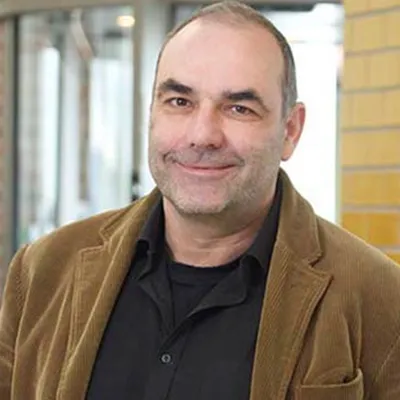
Andreas Wittel is a German social theorist and Senior Lecturer in Social Theory at Nottingham Trent University in the UK. His research focuses on the political economy of digital media, social networks, and non-capitalist alternatives. Through his writings on anarchism, self-organization, and mutual aid, Wittel has introduced this intellectual tradition to the public sphere.
Andreas Wittel is a German social theorist who has lived and taught in the UK since the late 1990s. He completed his studies at the University of Tübingen in Germany and received his PhD in social theory in 1996. Since around 2000, he has been a Senior Lecturer in Social Theory in the School of Arts and Humanities at Nottingham Trent University.
Wittel became known in media studies and sociology for an influential article titled "Toward a Network Sociality" (2001). His subsequent research focuses on the digital political economy, sharing, the commons, and property regimes in the internet age. He is particularly interested in seeking alternatives to the logic of capital in areas such as higher education, knowledge production, and media, exploring concepts like the gift economy and commoning.
Wittel comes from an autonomist background within the German radical left. In writings for a general audience, including an article in The Conversation titled "What is anarchism?" (2015), he has introduced anarchism as a political and economic philosophy based on self-organization, voluntary associations, horizontal structures, freedom, solidarity, and mutual aid. He distinguishes between social anarchism and liberal anarchism, viewing it as a project that combines the best aspects of liberalism and communism. In later works, he has also addressed the connection between anarchism, education as a gift, and the possibility of non-hierarchical organization.

.webp)