Foreign thinker
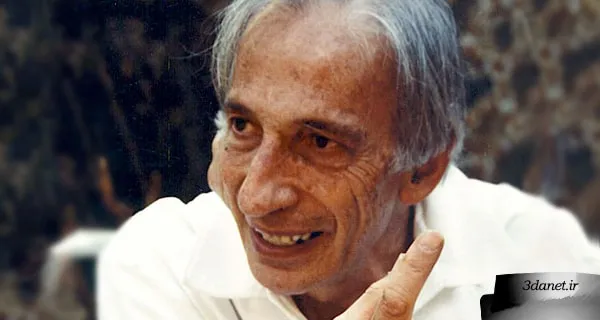
Ivan Illich
Ivan IllichSocial Philosophy, Critique of Modernity, Institutional TheoryAustrian1926–2002
School has become the world religion of a modernized proletariat, and makes futile promises of salvation to those it enslaves.


Life and Thought
Ivan Illich was a philosopher, former priest, sociologist, and prominent critic of modern institutions. Through his controversial books such as "Deschooling Society" and "Medical Nemesis," he mounted a radical critique of industrial structures, compulsory education, and modern healthcare systems. Illich's thought exerted a profound influence on techno-criticism movements, environmental sustainability, and alternative development theories.
Ivan Illich was born in Vienna in 1926. He studied chemistry, history, theology, and philosophy at universities in Rome and Florence, becoming fluent in multiple languages. Illich initially served as a Catholic priest in New York before founding the Center for Intercultural Documentation (CIDOC) in Cuernavaca, Mexico—an institution that became a central hub for institutional critique and debates on development and modernity.
During the 1970s, Illich gained international renown with a series of seminal works. In his famous book "Deschooling Society" (1971), he argued that institutionalized compulsory schooling monopolizes knowledge and stifles self-directed learning. In "Medical Nemesis" (1975), he extended a similar critique to modern medicine, demonstrating how industrial healthcare—through iatrogenesis (medically induced harm)—deprives human beings of their natural capacity to cope with pain, sickness, and death.
At the core of Illich's philosophical thought lies the concept of "conviviality." He maintained that tools and technologies should not dominate human beings or restrict social relationships to institutional control; rather, they ought to enhance individual and collective autonomy and empowerment. Until his death in 2002, Illich continued to lecture and write at various universities worldwide, challenging the core structures of modern industrial society.