Foreign thinker
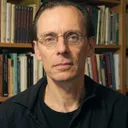
Christine Korsgaard
Christine KorsgaardMoral Philosophy, Kantian PhilosophyAmerican
Duty is the way reason exercises its dominion over us.
Life and Thought
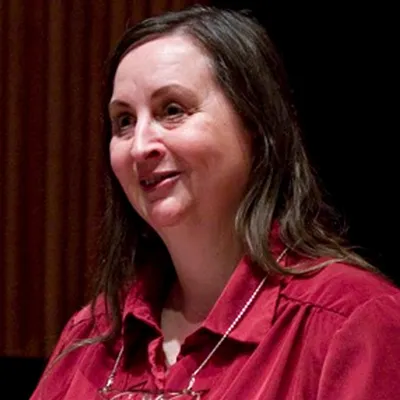
Christine Korsgaard is a prominent American philosopher and Arthur Kingsley Porter Professor of Philosophy Emerita at Harvard University, known primarily for her work in moral philosophy and her neo-Kantian reinterpretation of Kant's theory. By introducing the concept of 'practical identity' and offering a philosophical defense of the moral rights of animals, she has played a significant role in contemporary ethics.
Christine M. Korsgaard is a renowned contemporary American philosopher and Arthur Kingsley Porter Professor of Philosophy Emerita at Harvard University. After studying at the University of Illinois, she received her PhD from Harvard University under the supervision of John Rawls, becoming one of the principal figures in the reinterpretation and revival of Kantian moral philosophy in the present era.
In her key works, including Creating the Kingdom of Ends and The Sources of Normativity, Korsgaard seeks to demonstrate that moral obligations and the concept of duty are rooted in the structure of the rational agent and human autonomy. By introducing the concept of 'Practical Identity,' she argues that our moral commitments arise from the descriptions we have of ourselves as rational agents, and that adherence to these identities is what gives meaning to human action.
Beyond the Kantian tradition and moral constructivism, Korsgaard has, in her later works, including the book Fellow Creatures, addressed the philosophy of mind and animal ethics. Expanding the Kantian framework, she argues that human beings have direct moral duties toward non-human animals and that the intrinsic value of animals must be recognized by rational agents.

.webp)
.webp)