Foreign thinker
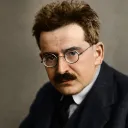
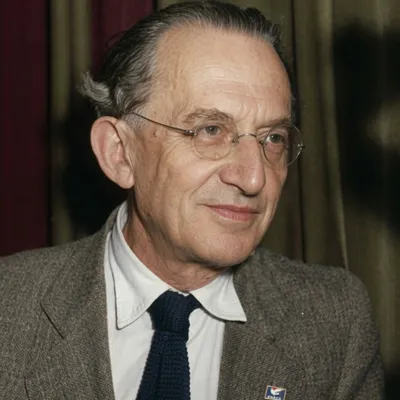
György Lukács
György LukácsMarxist Philosophy and Literary CriticismHungarian
Life and Thought
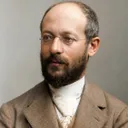
Georg Lukács (1885–1971) was a Hungarian Marxist philosopher, literary critic, and aesthetician. He is considered one of the founders of Western Marxism, and his theory of reification and class consciousness had a profound impact on twentieth-century Marxist thought.
Georg Lukács was born on April 13, 1885, in Budapest to a wealthy Jewish family. He studied philosophy at the universities of Budapest and Berlin, and in his youth joined the literary and philosophical circles of Europe. After joining the Hungarian Communist Party in 1918, he served as Commissar for Culture in the short-lived Hungarian Soviet Republic and, following its fall, was exiled to Vienna.
His most important work is History and Class Consciousness (1923), in which he developed the theory of reification and emphasized the role of proletarian class consciousness in the revolutionary process. This book is considered one of the foundational texts of Western Marxism. Lukács also wrote significant works on aesthetics and literary criticism, defending literary realism against modernism.
After years of exile and activity in Moscow, he returned to Hungary after the Second World War and lived in Budapest until the end of his life. Lukács's thought is a synthesis of Hegelianism, Marxism, and cultural analysis, and has had a wide-ranging influence on subsequent generations of leftist philosophers and critics.