Iranian thinker
Hatam Ghaderi
Hatam GhaderiPolitical Thought and Political ScienceIranianb. 1956


Life and Thought
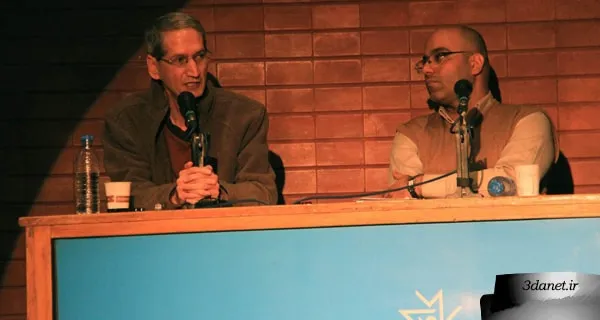
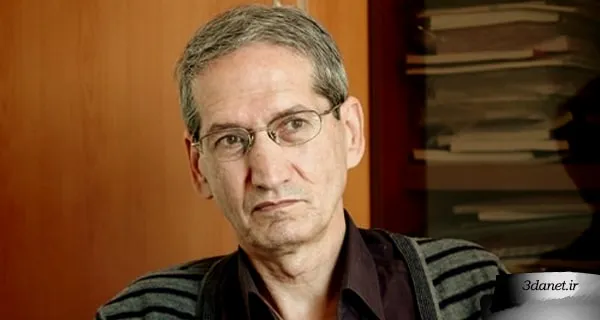
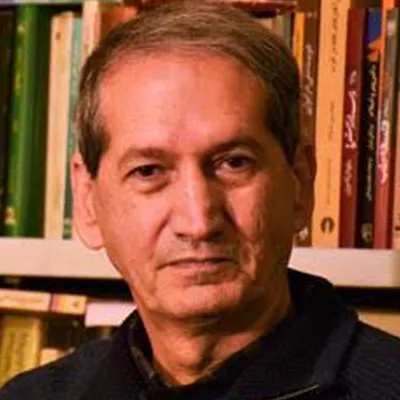
Hatem Ghaderi (born 1956 in Tehran) is a researcher and retired professor of political science at Tarbiat Modares University. He is considered one of the well-known figures in the field of political thought in Islam and Iran and has authored numerous works in this area. Ghaderi is also renowned for his analysis of contemporary Iranian political issues and his critique of power structures.
Hatem Ghaderi was born in 1956 in Tehran. He completed his bachelor's degree in political science at the National University (Shahid Beheshti) and his master's and doctoral degrees at Tarbiat Modares University. His master's thesis was on the political thought of Ghazali, and his doctoral dissertation, titled "The Evolution of the Foundations of the Caliphate's Legitimacy from Its Beginning to the Collapse of the Abbasids," was written under the supervision of Seyyed Javad Tabatabai and Changiz Pahlavan. From 1994 to 2019, he was a faculty member in the Department of Political Thought at Tarbiat Modares University, and after retirement, he has also taught at the Rakhdad-e Tazeh Institute.
Ghaderi is an influential researcher in Persian-language political science literature and has published around 19 books and dozens of articles on political thought, the history of ideas, and political science. Among his most important works are "Political Ideas in Islam and Iran," "Political Ideas in the Twentieth Century," "The Evolution of the Foundations of the Caliphate's Legitimacy," and works on Iran, Greece, and political philosophy. Many of these books are considered textbooks and reference sources in Iranian universities.
In the theoretical realm, Ghaderi has addressed the concepts of "za'im-gara'i" (leader-centrism) and "velayat-khooyi" (guardianship-seeking) in Iranian society and geography, viewing them as historical obstacles to development and democracy. He believes that Iranian society has absorbed values such as freedom and justice since the Constitutional Revolution but remains entangled in authoritarian and authority-centered patterns. Ghaderi emphasizes the necessity of a gradual transition to modernity and a rethinking of political theology, and in numerous interviews and lectures, he has critiqued the power structure in the Islamic Republic. He is also known as a consistent opponent of participating in elections after the 1980s.
Sedanet articles about Hatam Ghaderi