Iranian thinker
Iraj Afshar
Iraj AfsharIranian Studies, Codicology, and BibliographyIranian
All my efforts have been so that the culture and history of this land are not forgotten.
Life and Thought
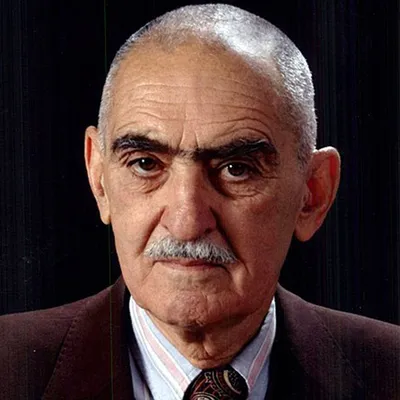
Iraj Afshar (1925–2011) was a prominent Iranian researcher, Iranologist, codicologist, and renowned bibliographer. He is recognized as one of the most influential figures in the organization and cataloging of documents, manuscripts, and sources related to the history and culture of Iran.
Iraj Afshar was born on October 8, 1925, in Tehran. He was the son of Mahmoud Afshar, the founder of the Dr. Mahmoud Afshar Endowments. Iraj Afshar completed his studies in law at the University of Tehran, but his profound interest in the history, culture, and textual heritage of Iran led him toward librarianship, codicology, and Iranian studies research. For many years, he managed the Central Library of the University of Tehran and journals such as 'Rahnama-ye Ketab' (Book Guide) and 'Farhang-e Iran Zamin' (Culture of Iran).
Over more than six decades of scholarly activity, Afshar played an unparalleled role in collecting, editing, cataloging, and publishing thousands of documents, manuscripts, and ancient texts. His monumental multi-volume work, 'Fehrest-e Maqalat-e Farsi' (Index of Persian Articles), is considered a fundamental reference source for all researchers in the fields of history, literature, and the humanities in Iran. In addition, his editing of numerous historical texts and the authorship of dozens of books and hundreds of articles on the geography and local history of Iran are among his other invaluable contributions.
Iraj Afshar is called the 'Father of Iranian Bibliography'; a person who, with his tireless endeavor and methodical scientific approach, provided a vast epistemological foundation for the study of the history and culture of Iran. He ultimately passed away on March 9, 2011, in Tehran.