Literature
What I Learned from Iraj Afshar, by Dr. Touraj Daryaee
Touraj Daryaee revisits the enduring lessons of Iraj Afshar: from avoiding 'pseudo-Western affectation' and the importance of understanding the geography of Iranian history through travel, to the necessity of documenting historical monuments and humility before the knowledge of local people.
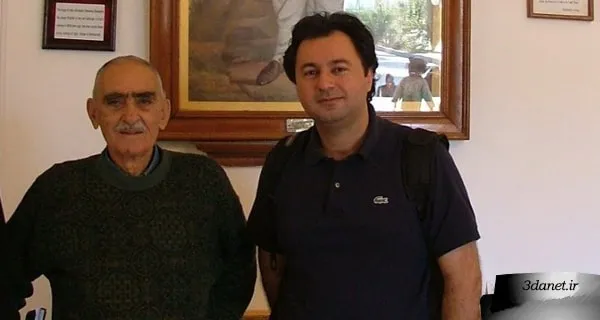
Iraj Afshar is no longer among us, but throughout his life, with his conduct, actions, and knowledge, he assisted thousands of students and researchers. This was Afshar's legacy to Iranians and the world, and each of us, in our own way, is indebted to him. It can be said with certainty that with his passing, one of the greatest Iranologists of the twentieth century has left us.
.
What I Learned from Iraj Afshar Touraj Daryaee
This time, I shall leave in such a way that no one knows where I am
All will search in vain, unable to find me; no one will ever show a sign of me
Iraj Afshar is no longer among us, but throughout his life, with his conduct, actions, and knowledge, he assisted thousands of students and researchers. This was Afshar's legacy for Iranians and the world, and each of us, in our own way, is indebted to him. One can confidently say that with his passing, one of the greatest Iranologists of the twentieth century has left us. My sorrow, above all, is because he still had so much to teach us, and the opportunity was lost. This humble servant learned new points from him in every gathering, becoming more aware and more ashamed of my own sheer ignorance. Despite all this, he was always kind to me, and whenever I asked a question, he would search and find its answer. He would point out the necessary sources to me and tell me to study such-and-such a book or article. I have no one else who assists me in this way and, with compassion, follows up on my research problems and tries to solve them. My sorrow is, above all, for this reason. During successive journeys across the Iranian lands with Afshar, and through conversations and collaboration with Afshar, I learned things from him that I will take as a standard for the rest of my life, will remember, and for which I am indebted to him. In this short piece in memory of Iraj Afshar, I intend to recall the ethical and fundamental points that Afshar taught me, so that perhaps others may also take a look at these counsels, admonitions, and the conduct and actions of Afshar, and learn from them. I can state explicitly that Iraj Afshar has had the greatest impact on my work and my perspective on the Iranian lands and Iranology after my formal education. Fourteen years ago, when I was a student at UCLA in America, one day I saw a man with his beret, searching and reading among the books in the Iranology section. I asked him if he was Iraj Afshar. He asked, with surprise, yes, and who might I be. This was the beginning of our acquaintance. He listened to my words with such attention that I will not forget, because he wanted to know what I was really doing. This was Afshar's characteristic: he would become acquainted with anyone who took steps on the path of Iranology and would understand their work. It made no difference whether it was in America, Europe, or Iran; all those who took steps on the path of Iranology were the object of his attention. A few years later, when I held a chair in ancient world history at a university, I met him again, and this time the meeting took place in Iran, at his home. I was young and wanted, in my field and to the best of my ability, to contribute to the field of ancient Iran. At that time, Nasrollah Pourjavady showed me a kindness that I will never forget, and that was agreeing to publish a journal in Iran under my editorship, called Nāme-ye Irān-e Bāstān. Of course, Abolfazl Khatibi made this happen and was a devoted supporter of the journal. It was Dr. Khaleghi-Motlagh who named it Nāme-ye Irān-e Bāstān, and our work has continued for ten years now. But Afshar also gave me a great deal of help with the journal at that time. He was the editor and director of many journals and knew what problems and troubles exist for publishing a journal in Iran. But he always encouraged me and inquired about the state of Nāme-ye Irān-e Bāstān. It was he who told me that to publish a journal in Iran, one must be calm, get along with everyone, and practice sociability. Whenever a problem arose, it was Afshar who gave counsel and advice on what I should do and what would happen. In the last days of his life, Afshar was supposed to give an article about several Zoroastrian manuscripts to Nāme-ye Irān-e Bāstān, but fortune was not with us, and he departed this world. I remember the day we went together to the National Archives to deliver several Vendidad manuscripts that had been entrusted to Afshar, so they would not be lost, and about which he had also taken notes. That day, too, I learned from him about my own field: why the majority of Avestan manuscripts are the text of the Vendidad, and the importance of Zoroastrian religious customs, rites, and rituals in its survival in Iran. He was an encyclopedia about Iran. What I learned from Iraj Afshar, I learned in no university and from none of my professors. His first lesson to me was that for an Iranian, playing the Europeanized dandy is unbecoming. No matter how much we have been in Europe and studied, in the end we are Iranian, and to show off our learning, there is no need to put on the airs of Europeans. I, who thought I had, for instance, studied Iranology, when I became a fellow traveler with Iraj Afshar and journeyed to Iranshahr and saw the cities, towns, villages, hamlets, valleys, and deserts, and when I spoke with researchers and local people, and when we were invited into people's homes at night and slept there and observed their way of life, it was then that I understood what Iran is and where Iran is.
I had just realized that I was not an Iranologist and that the work was only just beginning. He would say that to know Iran, one must know its geography, and the geography of Iranian history was one of the most important scholarly issues to which he paid attention and whose importance he always impressed upon me. Knowing and studying historical monuments was another of Afshar's intellectual concerns. He would say that one must take notes on every column, inscription, and chahartaq, because it might not be there on the next trip and another piece of evidence of Iran's historical heritage would be lost. Occasionally, he would also take a photograph of them with his old camera, so that alongside his notebook, a written and visual record would remain. He knew, for example, what had been written about a certain monument in a certain book and how much of it remained compared to a few years prior. This was itself a native vision and an Iranian approach to the history and culture of the Iranian world. He taught me that getting a doctorate, sitting behind a desk, teaching a couple of classes, and writing books is not the whole story. For instance, in which book can one read that Kelarabad in Mazandaran was a center for trap-making, for capturing lions? This could only be learned by traveling to that city and sitting with the lion-trapper, whose family had been catching lions for generations, and not in a book or a classroom. To know Iran, according to Afshar, books and maps are not enough; rather, one must traverse, see, and know the entire Iranian world. The point of not being a West-struck imitator is not about wearing a tie or a bow tie; rather, Afshar meant an Iranian character and an Iranian perspective towards work and conduct. On the trips we took to other parts of Iran, I never saw him consider himself different from or superior to any other human being. Anyone who knew something about a subject was respected by Afshar, and he would ask them questions and write it down, and on the journey, wherever there was a room, he would sleep on its floor to reach his destination. Because he came from Tehran, he did not boast to anyone and would mention the superior points of every city, town, and village, saying that one must learn. He exchanged ideas with local people, gave and received books, became acquainted with new works and buildings, and quickly noted down new findings. This was Iraj Afshar's Iranshahri vision. What I learned from Iraj Afshar was that both native and foreign scholarship are important and complement each other. Yes, the field of modern Iranian Studies was established by Europeans, but Iranians possess information that is less comprehensible and accessible to foreigners, and we have individuals who have rendered services to Iranian Studies that should not be overlooked. He always spoke well of Pourdavoud and said that Europeans are less familiar with his works and services. Above all, Afshar took pride in Seyyed Hasan Taqizadeh. After collaborating with Afshar on the letters of the renowned Orientalist Walter Henning and Seyyed Hasan Taqizadeh, it was clear how much this famous German Iranologist was indebted to an Iranian Iranologist. It was Taqizadeh who answered Henning's questions regarding Manichaean studies and knew the ancient Persian texts. Also, during the most sensitive and worst period of Iran's history in the twentieth century, at a time when the British had put our country under pressure and the Americans were plotting a coup, it was Taqizadeh who, with the help of Dr. Mosaddegh, set aside a sum for the dissemination of Iranian Studies and the study of ancient Iranian inscriptions. These important texts were published with the help of these individuals and remain a reference that everyone uses, and we must be indebted to Dr. Mosaddegh and Taqizadeh. It was Taqizadeh who, for the propagation of Iran's name, supported international Iranian Studies and advanced the name of Iran in the world of Orientalism. It was the words and assistance of Taqizadeh that gave students like Yarshater, Navvabi, and others the opportunity to study abroad and serve Iran. Afshar held Taqizadeh in very high esteem and considered him a great asset. Afshar was right. After I became acquainted with Taqizadeh's life and his letters with Henning and others, I understood why Afshar held such a sublime man in such respect. Apart from his political life, Taqizadeh was an extraordinary Iranian who wrote scholarly works, both for Iranians in Persian and in foreign languages for European Iranologists. At that time, there were few Iranians who could shine so brightly on the stage of international Iranian Studies. Taqizadeh's erudition was such that Henning, who had few equals in the world of Iranian Studies, referred to him and even translated Taqizadeh's Persian article into English so that European Iranologists could also benefit from the knowledge of this true son of Azerbaijan. Taqizadeh's book on chronology is so important that even last year its Italian translation was published. What I learned from Iraj Afshar was to spend my time helping, researching, knowing Iran, and introducing Iran and the culture of the Iranian world to both Iranians and Europeans.او این تذکرها را چندین بار در سفرها و در تهران و در فرنگ به من داد و من نیز از رفتارش به آن واقف شدم. میگفت چون چیزی درباره ایران آموختهای و میدانی، فقط و فقط این گونه با نشر حقیقت تاریخ و فرهنگ آن به ایران میتوانی خدمت کنی. به هر دانشجویی و خواستار شناخت این مرز و بوم نظر لطف داشت و به آنها کمك میکرد. در حقیقت، این کار افشار به پرورش نسل جدید کمك شایانی کرد. برای تداوم ایرانشناسی این لازمهایست مهم و قسمتی از وظایف علمی هر محقق که به دانشجو کمك کند. شش دهه بود که سیاستمداران و افراد سیاسی را میشناخت و به جز مرحوم مصدق و تقیزاده چندان دل خوشی از آنها نداشت. به من میگفت به جای داد و بیداد و جنگ و دعوا، سرت را پایین بگیر و کار تحقیقیات را انجام بده و به دانشجویان کمك کن. بنویس، درس بده و آنچه از این تمدن برخواسته را به دیگران بشناسان. او همیشه مشوق کارم بود و اگر هم اشکالی در آن میدید به صراحت به من میگفت و در مجله بخارا علی دهباشی مینوشت که چه کردهام و باید چه کنم. هرگز اتلاف وقت نمیکرد و همیشه خودکار و دفترچهای داشت و مینوشت. در خانهاش میزی داشت که بر روی آن نسخههای کار و کتابهایی که در آینده قرار است چاپ کند را گذاشته بود و همیشه به دنبال تمام کردن کار بود. حال نمیدانم چه کسی این کارهای ناتمام او را به پایان خواهد رساند و این سنگهای گران را برخواهد داشت. مجله و دایرهًْالمعارف مینوشت و در چندین انجمن علمی عضویت داشت و به آنها راهنمایی میکرد. دو مجلهای که او به آنها توجه خاصی داشت نامه بهارستان و بخارا بود. نادر مطلبی کاشانی، سردبیر نامه بهارستان همیشه میگفت که استاد افشار است که باعث شده که این مجله با این کیفیت به چاپ رسد و راهنماییهای اوست و نوشتههای اوست که این مجله را این چنین ممتاز کرده. در حقیقت ایرج افشار ستون اصلی مجله بود و با کاشانی این مجله را آن چنان پربار و در نوع خود در آسیا و شاید جهان منحصر به فرد کرده بود. افشار درباره فن کتاب و کتابت عالمی بود کم نظیر و کمتر کسی در نوشتن چنین مقالاتی به پای او میرسید. مجله دیگر بخارای علی دهباشی است که مدت مدیدی است که ایرج افشار در آن «تازهها و پارههای ایرانشناسی» را مینوشت. همه چشم به این قسمت از مجله دهباشی داشتند تا مدارك جدید و اخبار جدید و نوشتههای جدید و عکس و خاطرههای گذشته را افشار معرفی کند. این اولین قسمتی از مجله بود که من همیشه آن را میخواندم. خود من هم آغاز نوشتنم را در مجله بخارا مدیون ایرج افشارم که به توصیه او علی دهباشی لطف کرد و میگذاشت چند صفحهای را دراین مجله بنویسم. اهمیت بخارا برای همه فرهنگ دوستان ایران زمین آشکار است. بخارا مجلهای است که همه فرهنگ دوستان، از لس آنجلس تا بخارا آن را میخوانند. هر کجا که زبان فارسی و فارسی زبانی باشد، مجله بخارا آنها را مطلع میکند و دنیای ایرانی را به همدیگر نزدیك میکند. حال نمیدانم که چگونه این قسمت مهم مجله پر خواهد شد. چه کسی جای پای این بزرگمرد را پر خواهد کرد؟ • تورج دریایی و ایرج افشار (سانتامونیکا، کالیفرنیا .)1388 631 اگر دوست او، یعنی ریچار فرای لقب «ایراندوست» را داشت (لقبی که مرحوم دهخدا به او داده بود،) افشار «ایرانپرست» بود. منظور من از ایرانپرستی حالت شوونیستی آن نیست که در گوشههایی ازجهان باب شده، بلکه پرستش خاك ایران و فرهنگ و همۀ مردم و سنن آن بود. از آذربایجان تا بلوچستان و از خراسان بزرگ تا خوزستان، همه جای ایران و بخصوص دشت و صحرای آن عشق اصلی افشار بودند. او میتوانست در هر کجای جهان به راحتی زندگی کند و مراکز علمی بسیاری خواستار آمدن او به فرنگ بودند. اما او نمیتوانست که بیش از چند صباحی از خاك ایران دور باشد و آسوده بماند. هرگاه به آمریکا میآمد، پس از چند روزی آماده برگشتن به ایران میشد. بجز فرزندانش و خانواده، اینجا چیز دیگری برای او نداشت. او به این معنی ایرانپرست بود، چون عاشق بیابانها و دشتهای ایرانزمین بود. او بخاطر هیچ باوری و حزبی حاظر نبود از وطنش دل بکند و همیشه به من میگفت: «کاری نکن که حق زندگی در وطنت را نداشته باشی». دین او ایرانش بود، عشق او فرهنگ ایران بود و دلیل زندگی افشار شناخت و شناساندن ایرانش بود. با جیپ ساخت ایرانش، با آب خوردنی از گچسر و نان و پنیر محلی زندگانی خود را به سر میبرد. امیدورام که بتوانم پند و اندرزهای افشار را دنبال و به آنها عمل کنم. نه من و نه صدها مانند من میتوانیم به گرد پای ایرج افشار برسیم. او از نسلی دیگر و زمانی دیگر و سرشتی دیگر بود. اما میتوانیم در حد خود، راه و روش و منش ایرج افشار را دنبال کنیم. کمتر حرف بزنیم و بیشتر کار کنیم، کمتر خود را بگیریم و بیشتر با اعمال و نوشتههامان برای ایران زمین بکوشیم.
.
.
PDF file of What I Learned from Iraj Afshar in Bukhara Magazine
.
.
Bukhara Magazine, Year 14, Issue 81, Khordad-Tir 1390
.
.

Discussion0 comments
No comments yet; let yours be the first voice.