Iranian thinker
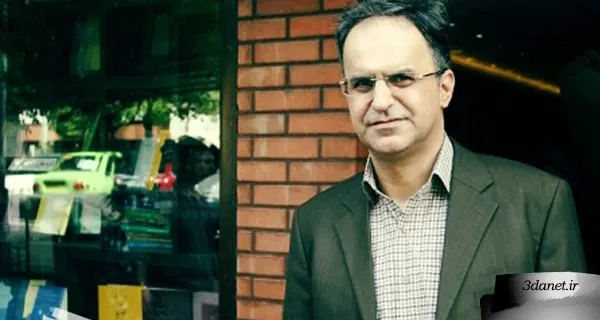
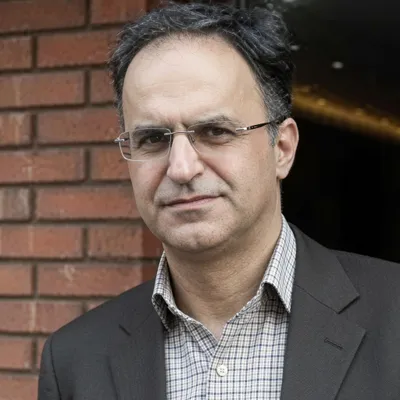
Mehdi Moeinzadeh
Mehdi MoeinzadehPhilosophy of Science and TechnologyIranian
Life and Thought
Mehdi Moinzadeh (born 1968) is an Iranian philosopher, physician, and Associate Professor of Philosophy of Science at the Institute for Humanities and Cultural Studies. He is considered one of the prominent researchers of Continental philosophy, particularly the thought of Martin Heidegger, and a leading figure in the fields of philosophy of technology and philosophy of medicine in Iran.
Mehdi Moinzadeh was born in 1968. He first earned a medical degree (M.D.) and subsequently received a Ph.D. in Philosophy of Science and Technology. He is currently an Associate Professor in the Philosophy of Science research group at the Institute for Philosophical Studies and History of Science, Institute for Humanities and Cultural Studies, and has previously served as the institute's Vice President for Research.
Moinzadeh thinks primarily within the tradition of Continental philosophy and is recognized as one of Iran's serious, non-media-oriented Heidegger scholars. His main research areas include the philosophy of technology (especially the Heideggerian reading of technology and the concept of Gestell), the philosophy of medicine, medicalization, the relationship between art and technology, and the dialogue between Islamic philosophy (particularly Mulla Sadra) and Heidegger's philosophy. Articles such as "Frankenstein or Prometheus: An Inquiry into Essentialism in Medical Technology," "Medicalization as Technology," and "Art as a Way Out of the Gestell of Technology" are among his important works. He has also addressed topics such as the relationship between philosophy and culture, existential loneliness, and the critique of modern science, and has conducted lecture series on Being and Time and Continental philosophy of science at cultural institutions like Soroush-e Mowlana and Roozgar-e No.
Moinzadeh maintains a low-profile yet profound presence in Iran's intellectual sphere, and his works have been published mainly in the form of scientific-research articles and specialized lectures.