Life and Thought
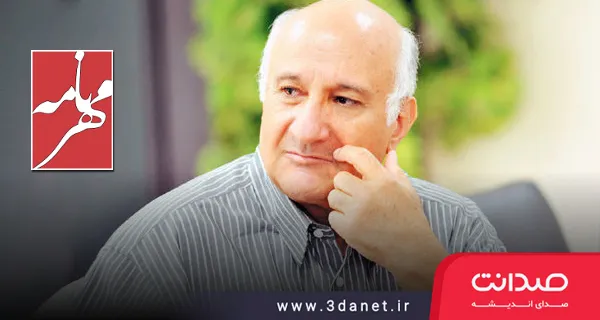
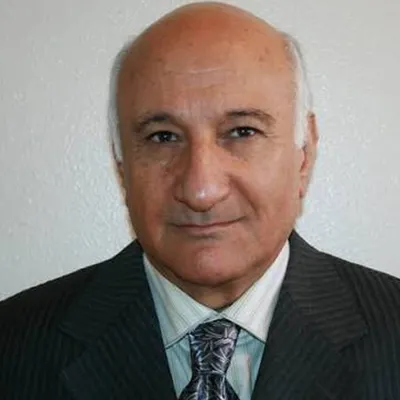
Mohammad Tabibian is an Iranian economist, born in 1948, and one of the influential figures in discussions of macroeconomics, development planning, and economic reform in Iran. He holds a PhD in economics from Duke University and has played a role in drafting post-war development plans and establishing research and educational institutions related to economic planning.
Mohammad Tabibian, full name Seyyed Mohammad Tabibian, was born in 1948. He pursued his university education in economics; he completed his bachelor's and master's degrees at Pahlavi University, now Shiraz University, and then received his PhD in economics from Duke University in the United States.
After returning to Iran, Tabibian worked in the fields of education, research, and economic policy-making. In the early years after the revolution, he held responsibilities in the field of macroeconomics at the Plan and Budget Organization and later taught at Isfahan University of Technology. After the Iran-Iraq War, during the formulation of reconstruction and economic development plans, he was one of the influential figures in discussions of planning and economic policy reform.
He is considered one of the founders of the Institute for Management and Planning Studies and also held managerial and academic roles at this educational and research institution for some years. Tabibian was also a visiting scholar at Stanford University for a time and, in subsequent decades, played an important role in teaching economics and training generations of Iranian economists.
Among his works and writings are books and educational texts on macroeconomics, including "Macroeconomics: Theoretical Principles and Its Application," as well as contributions to works such as "Economics and Social Justice," "Economic Policy Reform in Developing Countries," and "The Idea of Freedom." The central axis of his economic thought is the defense of the market economy, competition, institutional reform, macroeconomic stability, and the reduction of destructive government intervention in the economy.
In Iran's public sphere, Tabibian is also known as one of the advocates of economic reform, freedom of exchange, fiscal discipline, and a critic of rent-seeking. His importance lies in linking theoretical economic analysis with the issue of Iran's development and striving to explain the roots of economic inefficiency, inflation, government interventionism, and the weakness of market institutions.
Sedanet articles about Mohammad Tabibian