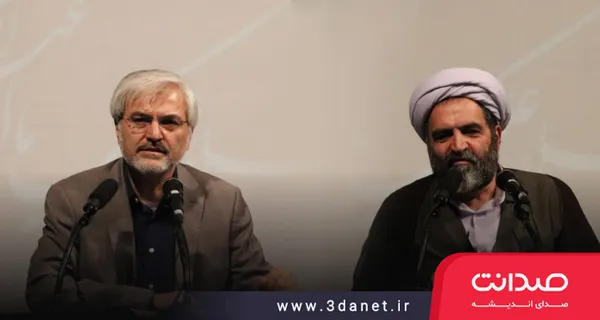
Life and Thought
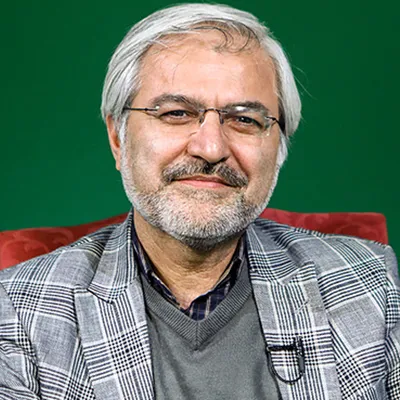
Rasoul Rasoulipour is a philosopher of religion and a faculty member in the Philosophy Department at Kharazmi University. He pursued his studies in Islamic theology and teachings, Islamic philosophy and theosophy, and subsequently philosophy of religion, and has been teaching and conducting research at Kharazmi University since 1990. His main areas of work are philosophy of religion, the relationship between reason and faith, science and religion, interfaith dialogue, and the critique of movements such as New Atheism.
Rasoul Rasoulipour, born in June 1964, is a contemporary Iranian professor of philosophy of religion. He completed his bachelor's degree in Islamic Theology and Teachings at Shahid Motahari Higher School, his master's degree in Islamic Philosophy and Theosophy at Shahid Motahari University, and his doctoral degree in Philosophy of Religion at the University of Pune, India. Rasoulipour has been engaged in teaching and research as a faculty member in the Philosophy Department of the Faculty of Literature and Humanities at Kharazmi University since 1990.
His research is primarily focused on the philosophy of religion, the relationship between reason and faith, the connection between science and religion, contemporary theology, interfaith dialogue, and the critique of new approaches to religion. His list of works and articles includes topics such as New Atheism, Jürgen Moltmann's theology of hope, the problem of the conflict between science and religion in the thought of Alvin Plantinga, the relationship between faith and reason in the Islamic tradition, open theism, divine hiddenness, and the relationship of religion with violence and dialogue.
Rasoulipour has also played a role in translating and introducing important texts in the philosophy of religion and science and religion. Among the works published under his name are the translation of or participation in publishing works such as 'Science and Religion: The Quest for Truth' by John Polkinghorne, 'God and the New Atheism: A Critical Response to Dawkins, Harris, and Hitchens' by John F. Haught, and 'Beliefs'. The significance of his work lies in connecting the discussions of contemporary philosophy of religion with the philosophical and religious tradition of Iran and Islam, as well as his attention to interfaith dialogue and the relationship of religion with the issues of the modern world.
Sedanet articles about Rasoul Rasoulipour