If you speak of vigilance, be vigilant not to break anyone's heart.
Life and Thought
Shams Tabrizi (12th–13th centuries CE) was a great Iranian mystic, Sufi, and ecstatic. His transformative meeting with Mawlana Jalal al-Din Balkhi (Rumi) brought about a spiritual upheaval in Rumi and gave rise to one of the most passionate mystical and literary outpourings in the history of human thought.
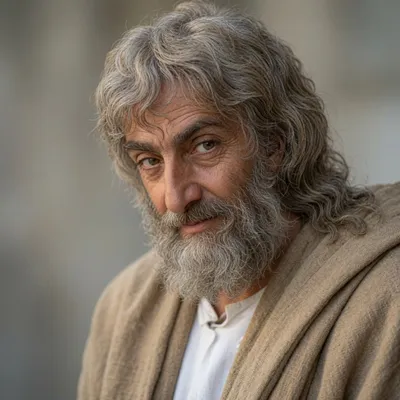
Muhammad ibn Ali ibn Malikdad Tabrizi, known as Shams Tabrizi, was born in Tabriz in the 12th century CE. He spent his youth studying the religious sciences and philosophy, but his way of life and ecstatic thought turned him into an unadorned, ascetic mystic who was constantly traveling and kept his distance from the formal, convent-based definitions of his time; for this reason he was also called "Shams-e Parandeh" (the Flying Shams).
The most important event in Shams's life was his historic meeting with Rumi in Konya in 1244 CE. This encounter caused Rumi, who was a renowned jurist and traditional master, to abandon his teaching chair and the issuing of legal opinions, and to turn to mystical wayfaring and the composition of passionate ghazals. Shams's discourses and gatherings were collected by Rumi's disciples and son (Sultan Walad), and are known today as the book "Maqalat-e Shams-e Tabrizi" (The Discourses of Shams Tabrizi); a work possessing an original, striking prose, free of affectation and brimming with profound mystical insights.
Shams's thought is founded on sincerity, the negation of hypocrisy, the primacy of inner experience, and moving beyond the outward forms of the Sharia toward absolute Truth. His fate after his second departure from Konya remains shrouded in ambiguity, and according to reliable accounts, his tomb is located in the city of Khoy. Shams's influence on Rumi and on Persian mystical literature is unparalleled and enduring.