Lecture
Rumi and the Problem of Evil; A Lecture by Arash Naraghi
In this lecture, Arash Naraghi addresses Rumi's response to the problem of evil in the world. The focus of the discussion is the relationship between suffering, evil, love, God, and the meaning of life in Rumi's mystical and philosophical view.
About this video
The problem of evil is one of the fundamental questions in the philosophy of religion: if God is benevolent and omnipotent, how are the evils, sufferings, and injustices of the world to be understood? This lecture, focusing on the thought of Rumi, attempts to show what answer the Persian mystical tradition has given to this difficult question.
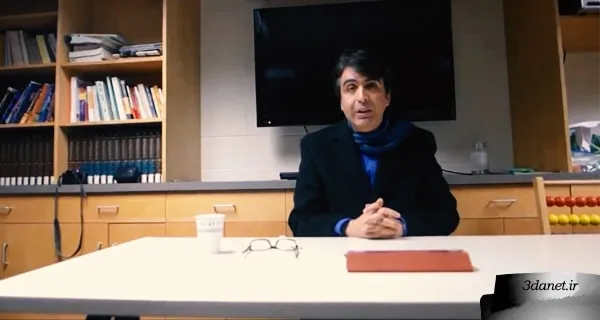
In this program, held on the occasion of Rumi's Urs (anniversary of his passing) for a gathering of Iranian physicians residing in America, Arash Naraghi examines the relationship between evil, suffering, love, and spiritual transformation. In this reading, Rumi is not merely a poet of passion and love, but a thinker who, through the language of allegory and mysticism, responds to one of humanity's deepest theological and ethical questions.
This lecture is significant for those interested in the philosophy of religion, mysticism, Rumi, and the question of the meaning of life; because it shows that confronting evil is not just a theoretical discussion, but is intertwined with lived human experience, suffering, hope, and the possibility of inner transformation.