Philosophy
A Critique of Soroush Dabbagh's Recent Interview on Gholamhossein Ebrahimi Dinani
One of Dinani's students, responding to Soroush Dabbagh, considers the professor's improvisational, dialogue-based teaching style an art of philosophizing rather than a weakness. By adapting to the occasion and teaching how to think, Dinani conveys complex topics and treats philosophy as a method.
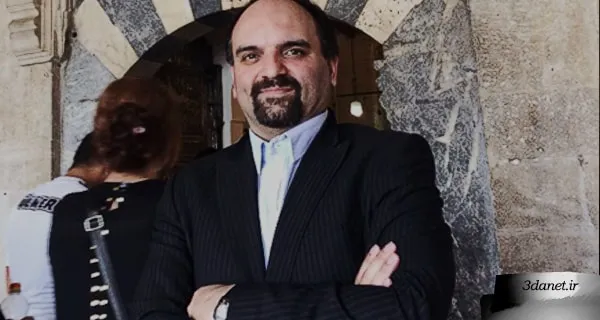
What prompted me, as one of the students of Professor Dr. Ebrahimi Dinani, to write my opinion regarding the recent critique by Dr. Soroush Dabbagh is Mr. Dabbagh's lack of adequate knowledge of Professor Dinani and his unfamiliarity with the method of teaching philosophy.
The focus of Mr. Dabbagh's criticisms is on the extemporaneous style of Professor Dinani's teaching method, his lack of new ideas in philosophy, his unfamiliarity with Western philosophy, and finally, labeling Dr. Dinani a "philosophy researcher." I will mention some points in this regard.
Generally speaking, we have two types of teaching styles in philosophy: the first type involves teaching the terminology and thoughts of philosophers, and the second type, while teaching the terminology and opinions of philosophers, also pays attention to thinking about these opinions. Now we must see which of these two methods yields what is important in philosophy. There are numerous definitions of philosophizing, the core of which can be summarized as "deep thinking about the important issues of existence." Deep thinking about serious issues will not be achieved except by thinking about one's own thoughts or those of philosophers. In fact, a person who thinks about thoughts constantly questions themselves and engages in dialogue with themselves, and a kind of concern blossoms within them. Therefore, philosophizing begins with a question and continues on its path through dialogue. Such a person, who has a concern for knowing, can be called a philosopher, and if they wish to teach philosophy, they will certainly choose the second type of teaching, in which dialogue and questioning play a fundamental role. In this state, they will teach the student how to think, not merely the terminology and opinions presented in philosophy, and by posing questions, they compel the student to think in order to give birth to the answer from within. It is as if, like Socrates, who called himself a midwife because he caused the growth of thought in individuals. Therefore, without a doubt, this Socratic method can be considered the best type of teaching philosophy. Otherwise, philosophy will become preachy and take the form of a lecture.
Such a teaching method, centered on dialogue, does not require a prior method or preparation because, in truth, what constitutes the method of teaching philosophy is question and answer and the correspondence of speech with the exigency of the situation. Fundamentally, eloquent speech is that which is appropriate to the exigency of the situation and suitable to the occasion. "Eloquence in speech is its correspondence to what the exigency of the address requires," which means we should know that the exigency of the situation depends on the time, place, and the spiritual state of the speaker and the addressee, and the speaker must observe their proprieties with the listener. Of course, one should not assume that speaking according to the exigency of the situation and occasion is achievable for everyone and that all can speak in such a way; rather, it must be said that it is, in fact, simple yet impossible to imitate, because a speech may be appropriate for one situation, yet the same speech may be inappropriate for another situation and context. Knowing this point indicates the expertise, mastery, and familiarity with the requisites of speech on the part of the speaker during philosophical dialogue.
You spoke of your conversations with senior scholars, noting that they always maintained a calm demeanor in these discussions. It should be mentioned that matching speech to the requirements of the audience's state may sometimes even necessitate "harsh speech." It seems there is a quality in harsh speech that may cause bigoted and pretentious individuals to wake up and listen; as the sweet-tongued Sa'di says: "If I do not speak harshly, you will not listen." Frankness and clarity in philosophy are undeniable and far removed from misplaced courtesies. It is worth noting that an audience's outwardly calm appearance in a discussion is good, but it is by no means proof of the rightness of a dialogue. What is important, as Professor Dinani says, is honesty in thought, because some people, although they are honest individuals in society, may not be honest with themselves and may deceive themselves! This means that such a person is not honest with their own knowledge; that is, in thinking, they hide behind a set of concepts and terms whose meanings they do not know, adopt a pose of knowing, and are no longer willing to listen. Such a person, who cannot suspend or bracket their own preconceptions, has no place whatsoever in the realm of thought and philosophy. In my view, the reason Professor Dinani sometimes becomes angry in philosophical discussions is his encounter with such individuals who refuse to listen, somehow evade the subject of the discussion in the dialogue, and resort to digression; it is not related to impatience or considering the audience's level of knowledge to be low. His philosophical dialogues with every stratum, whether of little learning or an expert, and Professor Dinani's populist character attest to this claim.
What constitutes the art of the philosopher and makes his speech sweet and comprehensible is precisely this observance of the requirements of the audience's state, which originates from the speaker's inner effusion and honesty in thinking, and will render his speech highly effective for the listener. Undoubtedly, one of the reasons for the enduring impact of Professor Dinani's philosophical content on the hearts of the Iranian people, through his presence on the Marefat program, is his style of extemporaneous speaking, which has made people from every stratum, whether specialists or non-specialists in philosophy, interested in his weekly lessons on this program. You might find it interesting to know that Dr. Dinani does not even know the topic of discussion on this program until the host announces it. In this state, his speech appears fresh and alive, coming from the heart and settling on people's souls, rather than being based on a pre-determined speech that he carries with him. Does everyone who knows philosophy possess such art and mastery? Knowing complex and high-level philosophical content is very valuable, but the higher art is to be able to express these weighty matters in simple and comprehensible language. The new generation's acquaintance with Islamic wisdom and philosophy is indebted to Professor Dinani, because he has eloquently conveyed the most complex philosophical topics to the body of society in a sweet and comprehensible language.
The extemporaneous nature of Professor Dinani's teaching method, being based on dialogue and teaching how to think, also relates to this style and the requirements of the state, because Dr. Dinani does not consider philosophizing to be a pre-determined method; rather, he introduces philosophy as method-creating. Determining a method for philosophizing is, in fact, confining thinking, and as a result, this thought will not find a path to transcendence. Is it possible for someone not to be a thinker and yet be able to teach thinking? If a philosophy teacher does not teach the student how to think, does he possess any art other than filling the student's mind with philosophical terms? Since Dr. Dinani is himself a thinker, his classes and works are also shaped based on these intellectual concerns of his.
You stated that the book "Sha'ā' al-Shams" is not within the framework of a research and scientific project. It should be noted that much of what is said in the critique and evaluation of the written word cannot be applied to the spoken word. Also, for someone who is himself a thinker and has his own views, the need to provide sources and references for works that are the result of his own reflections is less frequently seen. Nevertheless, it is unclear why you still insist on your position regarding this book and compare it with other works of Professor Dinani that are authored by himself. However, this book has been welcomed by readers and has been reprinted several times, to the extent that last year, Dr. Mahmoud Sariolghalam, professor of political science and author and development theorist at Shahid Beheshti University, in a short note published in cyberspace, made a pact with himself to carefully do five specific things for the new year, one of which was to read the book "Sha'ā' al-Shams" by Dr. Gholamhossein Dinani twice.
Professor Dinani's style in writing his works has been such that he never writes books for the sake of writing books! Since he is intimately familiar with the thoughts of philosophers, an issue becomes an inner concern for him, and he goes after that concern to see whether he can resolve it or not. Writing down these intellectual concerns leads to the creation of Professor Dinani's works. In other words, Professor Dinani's books are the crystallization of those very intellectual concerns of his that have been put on display, not that he conducts philosophical research, as you referred to him as a "philosophy researcher." According to Dr. Abdollah Nasri, professor of philosophy at Allameh Tabataba'i University: "Professor Ebrahimi Dinani wants to do a thoughtful work, not a scholarly one. Dr. Dinani always places great emphasis on thinking and questioning. In the solitude of his thought, with the questions that arise in his mind, he presents the discussions chapter by chapter. Professor Dinani has an associative mind in his works, and it is not the case that he wants to start from one point and reach an end point. Because of his mastery over the history of philosophy, when a point occurs to him, he immediately refers to it. These associations are very important for someone who is a thinker; in this way, he understands the connection between the thoughts of thinkers, and among these points, for the careful reader, there is an intellectual nudge" (Dr. Nasri's speech on the occasion of the unveiling of the book "The Discourse of Ibn Sina and the Exposition of Bahmanyar" authored by Dr. Dinani - 2013).
You mentioned the lack of new ideas in Professor Dinani's works as the reason for him not being criticized, and you named some professors for whom fortune has smiled because their thoughts were criticized, and any thinker whose opinions and ideas are criticized has received the greatest service. Although in criticism, merits are also expressed, what usually prevails in criticism is revealing the flaws of a discourse, in which case it can be said that fortune has smiled upon this thinker because, with the criticism of his thoughts and works, his mistakes have been revealed; just as in your recent and previous criticism of Professor Dinani, you sought more to show the flaws than the merits. However, it can also be viewed from this perspective that a thinker may possess intellectual stability and rational solidity in his opinions and views, in which case there will be no ground for criticism to show the flaws in his discourse.
It is necessary to state this point that there is a difference between what is called innovation in thought and what is a new interpretation of meanings that have been discussed from the past until now. Fundamentally, innovation in philosophy is a very difficult and impossible task because the foundations of thought were laid down by the ancient sages in this field. Philosophy is not like the progress of sciences, which advances under the influence of time and undergoes fundamental transformations; hence, what we are faced with is a new interpretation of meanings that were also discussed by the ancient sages. Therefore, there is no obsolescence in thought and thinking. A new idea is, in fact, a new interpretation, and most of those who claim to have a new idea or fundamental innovation in philosophy are not familiar with the history and course of thought.
Comparing the views of Muslim thinkers with the ideas of modern Western thinkers is one of the characteristics of Dr. Dinani's works, which can be referred to as some of the prominent issues in
I hope that by honoring our contemporary sages, we may strive for the elevation of culture and the promotion of rationality in our beloved country.
.
.
A Critique of Soroush Dabbagh's Recent Interview on Gholamhossein Ebrahimi Dinani
Amir Esmaili _ Farvardin 1396
.
.
Discussion26 comments
دست کم بداهه گویی ایشان عیب نیست بلکه در زمره ی محاسن یک دانشمند و حکیم است که باب گفت و گو را همیشه باز نگاه می دارد، برخلاف پدر آقای دباغ که همیشه متن سخنرانی آماده دارند و اهل گفت و گو و پرسش و پاسخ فلسفی نیستند. گرچه استاد دینانی هم یقینا همه چیزدان نیستند اما متفکر بزرگی هستند. به ویژه با توجه به گستره ی وسیع و ساحت ژرف فلسفه، ایشان را باید از معدود افرادی دانست که به فلسفه ی شرق و غرب آشنایی دارند، طبیعتا با فلسفه ی ایرانی-اسلامی بیش تر.
عالی بود. به نحو احسن درباره روش تدریس سقراط گونه توضیح داده شده. و همچنین در تمایز تفسیر نو و ایده نو ، مطالب جالب توجهی ارایه گشته است ... امید دارم به لطف خداوند ، فلسفه اسلامی و ایرانی ، به یمن داشتن اندیشمند های جدید که عموما از محضر بزرگانی چون دکتر دینانی استفاده برده اند به تدریج در مسیر پیشرفت و ترقی قرار بگیرد.
حکیم هم به زبان مردم و ساده صحبت می کند و هم عمیق مثل انبیا
نقل قولی که از آقای دینانی اوردند حاکی از نااگاهی دکتر دینانی است! عدم می عدمد جمله معروف هایدگر است که ایشان از زبان ژان پل سارتر اورده اند.
اگر با یک نقل قول فرضا اشتباه، حکمت و قدرت تفلسف یک شخص از نظر شما زیر سوال می رود، بحث دیگری است. مثل اینست که بخواهیم فارابی را به دلیل اشتباه انتساب یک کتاب از فلوطین به ارسطو، نادیده بگیریم. اما این جمله ی معروف، در متن به اسم هایدگر آمده و همچنین ابتدا بر اثر یک نقل قول اشتباه به ایشان نسبت داده شده .... البته درست است که اصل این عبارت از مارتین هایدگر است اما رجوع به کتاب هستی و نیستی ژان پل سارتر هم می تواند به شما در یافتن این عبارت کمک کند.
تبلور ايمان و اقتدار اسماني سخنان اين بزرگ چنان مرجعيت و صحت از پيش قاطعي به هرچه بخواهند بگويند مي دهد كه به گوش فيلسوفاني كه تنها خرد و تعقل رابضاعت شناخت قرار مي دهند و شك اوردن اساس كارشان است ، سنگين و سخت مي ايد.
سلام دکتر دینانی الان خودشون منبع هستن و کسی که صاحب نظر هست می تواند نظرات خود را بنویسد مگر در فلسفیدن با تقلید کرد که به منبع همیشه وصل بود؟
آقای سروش دباغ، مانند هر اندیشمند دیگری حق دارند از برداشت های علمی و تجارب معرفتی خود سخن بگویند. برداشت ایشان از روش تدرسی استاد دینانی مبتنی بر تجربه ی ایشان است و نباید ایشان را به خاطر توضیح تجربه ی شخصی خودشان تخطئه نمود. شاهد بر اینکه آقای ابراهیمی دینانی علی رغم تسلط عالی بر مباحث حکمت اسلامی، بدون آمادگی قبلی و بدون رعایت حال مخاطب به ایراد سخن می پردازند، سخنرانی اخیر ایشان در همایش ملی مکتب فلسفی اصفهان است. استاد دینانی در جمعی که همه از اساتید و دانشجویان تحصیلات تکمیلی فلسفه هستند، به بیان مطالبی از این دست پرداختند که واژه ی فلسفه واژه ای یونانی است، این واژه از فیلوسوفیا گرفته شده، فیلو به معنای چه و سوفیا به معنای چه است و در عالم اسلام به آن حکمت می گویند و حکمت به معنای چه است و... مستحضرید که این دست مطالب، در کلاس سوم دبیرستان به دانش آموزان علوم انسانی تعلیم داده می شود و بیان آن در جمعی که همه دستی بر آتش دارند، محلی از اعراب ندارد. حال اگر مابقی سخنرانی که به بیان مطالب متفرقه ای مانند داستان مرگ برتراند راسل و... گذشت را ضمیمه کنیم، به نظر می رسد سخنان آقای دباغ چندان هم نادرست نیست. علی ای حال برای هر دو استاد گرامی آرزوی توفیق دارم.
با سلام. به نظر بنده دیدگاه مجید، قابل قبول است. سخنرانی مکتب اصفهان ایشان را بنده هم دنبال کردم، همین طور بدون آمادگی و بدون پرداختن به مسایل مهم بود. این کار از یک حکیم بعید است.
شیوه ی گفتگو، یکی از شیوه های بسیار متداول و جذاب، در نگاشتن کتب هست و کتب زیادی در جهان، به همین شیوه نوشته می شوند. اینکه برخی کتب دکتر دینانی هم که بیشتر به شرح عرفا می باشد به اینصورت است بسیار پسندیده است، زیرا منجر به هرچه بیشتر باز شدن مطالب و همچنین سوالات موثر توسط مصاحبه کننده و پاسخ دوباره استاد دینانی می شود که به فهم جامع تر اثر در حال شرح، کمک زیادی می کند. البته مشخص است که آقای دباغ، اصلا کتب چند ساله ی اخیر استاد دینانی که خودشان، مشخصا نوشته اند و بسیار عمیق، می باشد همانند کتاب «من» و جز من را ندیده اند.
با سلام ، و تشكر از مطالب و مقالات قابل استفاده در سايت وزين صدانت ؛ از ديدگاه اين حقير _ استاد ديناني از حكماي محبوب معاصرند ، كه دغدغه اصلي ايشان رنج هاي بنيادي مردم و بي هويتي جوانان است. كه حاصل خمود فكري ، سطحي بودن علم ، مدرك گرايي ، نا آشنايي با بزرگان علم و ادب اسلامي-ايراني و تصور سطحي مردم از دين و..... در عصر حاضر است. البته بيش از هرچيز شناخت ايشان لازم است ، ايشان با زبان سليس فارسي و تسلط بر فلسفه و عرفان اسلامي و درك محضر علامه طباطبايي ، همچنين قائل بودن به مكتب صدرايي ، بدون شك كمال فكري و انساني در همه جوانب را( دين، اخلاق .... ) حركت از كثرت و رسيدن به مقام وحدت مي بينند(از محسوس به معقول) . بنابراين ايشان با عينك وحدت و رسيدن به آن ، كه هدف و آمال همه حكما و عارفان و فيلسوفان الهي عالم است به موضوعات و دغدغه هاي روز مي نگرند . در اين نگاه نياز به تاسيس فلسفه و مكتب جديدي نيست . مانند اساتيد دانشگاهي كه هنوز در كتابها و مكاتب بدنبال حقيقت اند نيازي ندارند با مطالعه قبلي سر كلاس حاضر شوند. سير افكارشان در عالم وحدت است و بغير وحدت هيچ نمي بينند. لذا با روشن نمودن و بيرون آوردن معاني باطني از ظاهر ايسم ها ، و مكتب هاي فلسفي ، موضوعات و دغدغه هاي زمانه را كه تا حدودي ناشي از كثرت نگري اين مكاتب است حل و فصل مي نمايند.(با اینکه سخن، بسیار اهمیت دارد ولی فیلسوفان تحلیل زبانی همهچیز را به سخن تقلیل میدهند و سخن را در مصداق جستجو میکنند. من در کتاب «فلسفه و ساحت سخن» این اندیشه را پی میگیرم که بسیار جدیتر از سخنان فیلسوفان تحلیلی در اندیشه فیلسوفان ما بوده است ولی گذشتگان ما این سخنان را استخراج نکردهاند. به نظر من ویتگنشتاین باید نزد فارابی تلمذ کند؛ زیرا فارابی بسیار پیشتر از او این سخنان را گفته است. ویتگنشتاین بحثهای زبانی را به مصداق تنزل داده است و میپرسد ما باید معنی را از مصداق استخراج کنیم یا مصداق را از معنی؟ فلسفه تحلیل زبانی بر این نظر است تا مصداق نداشته باشیم، معنی و مفهوم بیهوده است. درحالی که فیلسوفان اسلامی میخواهند از مفهوم و معنی به سراغ مصداق بروند.) سخنها چون به وفق منزل افتاد / در افهام خلایق مشکل افتاد.
با سلام احسنت خیلی عالی دکتر سروش را نقد کردید. استاد دینانی متفکر با ارزش و ذی قیمت است ایشان عمق اندیش به تمام معنا هستند که با کلام درگونه خودشان روح هر انسانی را به آسمان معرفت پرواز می دهند.
به نظرم جناب اسماعیلی به عنوان شخصی که مدت مدیدی را در جوار دکتر دینانی حضور داشته است دفاع درستی است. خب به طور کلی مقاصد زیادی دخیل در نقد یک شخصیت دخیل است. قصد موشکافی و داوری در باره منتقد ایشان ندارم ولی نکاتی را عرض می کنم: اولا مخاطب در کلاسهای جناب دینانی بیشتر مقطع دکتری هستند که قله محفوظات و اصطلاحات را پیش از این مقطع در نورویده اند و برای نظریه پردازی آماده می شوند. پس برای استاد اندیشمندی که تالیفات و تحقیقات بیشماری دارد نیاز به آمادگی پیش از کلاس نیست( مگر دبیرستان است؟) ثانیا برای به چالش کشیدن اذهان نیاز به گفتگوست و طرح پرسشهای متعدد و ... ثالثا در دوره نهایی تحصیل وقت کم است و غنیمت پس دانشجو باید بتواند بیشترین بهره را از استادش ببرد وقت اظهار فضل نیست. باید این پتانسیل را در مقالات و آثار خود نمایش دهد و به فعلیت برساند. اگر یاد می گرفتیم بجای حرف زدن بیشتر گوش می دادیم بیشتر رشد می کردیم. رابعا مگر ایشان دائرة المعارف است تا همه چیز را بداند؟ مگر لبن سیناها و سهرودی ها میدانستند؟ همه چیز را همگان دانند!! ایشان به عنوان یک متفکر اندیشه ها را می اندیشد و تبیین می کند و هیچ دلیل منطقی نیز وجود ندارد که حتما باید مثل من و شما یا فلانی بیاندیشد هنر بزرگ جناب دینانی جوششی عمل کردن است نه کوششی! بداهه گویی صرف نیست بلکه بنیادی عمیق از فهم درست در نهان دارد ولی به نظر اهل کوشش بداهه گویی به نظر می آید. بهتر است انسانها را در حد خودشان تحلیل کنیم نه در حد خودمان!! اگرجه اندیشمتد بزرگی است ولی خب اقتضای بشریت را هم همراه دارد. با این حال جزو نوادر است. خداوند متفکران این مرز و بوم را در پناه خود حفظ کند. آمین
دفاع جانانه ای بود در ابتدای نقد مبانی رو عالی باز کردید درود بر شما
بد دفاع کردن از تخریب هم بدتر است کاری که سروش دباغ نتوانست اما این نقد توانست
من هم در کلاس اقای دینانی شرکت داشته ام. شکی نیست ذهن تیزی دارد اما به سخن مخاطب گوش نمی کند مگر انکه بداند موئد او و در راستای مطالب اوست. به شدت دگم و البته بد زبان است. در کلاس های او بسیاری مواقع مریدان اجازه پیش رفتن سخن و پاسخگویی را نمی دهند و الزام به رعایت او می کنند. در حوزه فلسفه غرب بسیار پر مدعا است. در حوزه فلسفه کلاسیک در حدی نیستم که بتوانم به صراحت نقد کنم اما در محدوده فلسفه معاصر بی سواد است. نقدهایی که انجام می دهد از سر نا اشنایی و بی دانشی است و البته برعکس انچه نشان می دهد چندان اهل تحقیق نیست.
سلام من نقد اول و دوم آقای دباغ را خواندم فکر میکنم آقای دباغ صراحتا معلوم نکردن کدام بخش از آثار دکتر دینانی خطا بوده صرفا به اینکه چرا عثمان را نگفتن دقیق چه کسی بوده و چرا فی البداهه روش دارند یا اینکه بطور کلی گفتن دکتر دینانی با فلسفه غرب آشنا نیست و حرف تازه ندارند، اگر آقای دباغ ادعا دارند دکتر دینانی کلی گویی می کنند خودشون هم دچار کلی گویی هستند
من مقاله دباغ و این نوشته را خواندم، و دیدم که دباغ ظاهراً به درستی به تدریس بی برنامه و عدم درک از متن مکتوب و نگارش، و کلی گویی غیر دقیق در کار دینانی انتقاد کرده است. من هم این "دفاعیه" را به نوعی سندی در تأیید همان انتقادها دیدم.
خیلی خوب به فلسفه ورزی استاد دینانی اشاره شده بود که همیشه ایشان در کلاس هایشان سعی بر اندیشیدن اندیشه ها دارند
وقتی استادی تبحر داشته باشد آمادگی قبلی نمی خواد
نقد بجایی بود أقای دباغ متاسفانه کلی گویی می کنند و کاملا مشخص است غرض شخصی دارند
آفتاب آمد دلیل آفتاب!! چنین نقد آشفته ای بر اظهارات دباغ، خود بهترین مصداق تایید دیدگاه دباغ نسبت به دینانی است.