Religion
A Two-World Theology for Civil Islam: A Proposal for the Social Project of Religious New-Thinking
Grounded in the individual and social teachings of religion, dual-foundation theology pursues a civil Islam—an approach that places the human being within a God-centered humanism and, rather than negating the will, emphasizes cooperation for survival and a social mysticism.
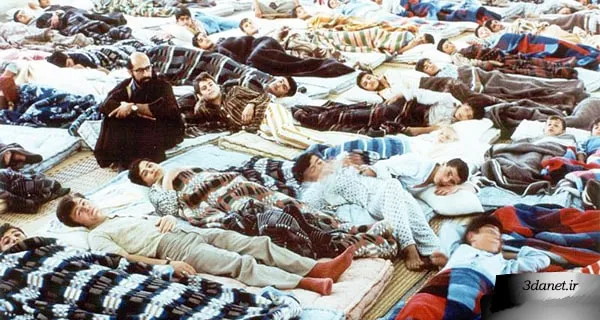
Throughout history, there have been two types of dissolution and negation of the will for the human species: old dissolution and new dissolution. Old dissolution in traditional religiosity took the form of dissolution in God and the gods, as well as melting into the spiritual guide and master, saint and lord, priest and authority, and the like; and in politics, this effacement of the will was realized through melting into the king and pharaoh, khagan and caliph, etc. New dissolution is dissolution and melting into the organization, the king, the leadership, the politburo, the Führer, and the number one person in every ideology; it is becoming the metamorphosis of ideologies. This modern ideology can be Nazism and Fascism, Communism and Marxism, Capitalism and Neoliberalism, or Islamism and Fundamentalism.
In previous articles on the human role in cooperative liberation theology, it was stated that the role of the multi-dimensional monotheistic human will in this two-world theology is not overlooked, unlike that of traditional wayfarers, fundamentalists, and devotees of ideologies. The monotheism of existence in this theology is a humanist monotheism, which stands in contrast to the unity of being of traditional mystics and the excommunicating monotheism of fundamentalists, which is a God-centered monotheism. Humanist mysticism in this theology also stands in contrast to the God-centered mysticism of traditional mystics and the jihadist conduct of fundamentalists. Cooperative liberation theology is a theology with a special emphasis on the role of the human being—a human being who, in the conduct of traditional wayfarers and jihadist fundamentalists, is effaced, negated, and dissolved before God. On the other hand, the human being in this theology, unlike in secular humanism, is situated along the path of God, and by emphasizing cooperation, social mutual aid, empowerment, and helping creation, seeks to prevent the operationalization of the idea of the "struggle for survival" in an unequal world under the rule of secular humanism, armed neoliberalism, and unbridled capitalism. The policy of this theology is to move in the orbit of God-centered humanism based on a humanistic view of religion. This theology is therefore called two-world because it relies on both types of individual and social religious teachings. One world pertains to religious teachings related to the personal world of the religious person, and the other world pertains to religious teachings related to their surrounding world. Thus, the worldview and the spiritual conduct based on it in this theology are humanist and two-world, and are pursued in a balanced manner in the individual's personal world and surrounding world.
It was also said of the multi-dimensional monotheist (the complete Muslim) that this person is not only a monotheist in their personal world and in the realm of thought and beliefs, having purified their mind and existence from mental-philosophical polytheism and from associating partners with God in “divinizing” (other humans, deities, etc.) as well as from “self-lordship” (ancient self-worship and modern secular humanism); in the sphere of the surrounding world and society, they also seek liberation from the factors that bind them (despotism, colonialism, exploitation, stupefaction, and political, cultural, economic, social, and religious domination) so that, by accepting the dominion and servitude of the masters of wealth, force, and deceit, they do not fall into socio-political polytheism. Hence, with a monotheistic worldview and a liberating praxis of consciousness, they oppose inequality, discrimination, injustice, and any form of human domination over another. The spiritual wayfaring that rests upon this monotheistic worldview comprises individual wayfaring in the personal world and social mysticism in the surrounding world, in which social wayfaring in the surrounding world is as important as individual wayfaring in the personal world, and the path of personal wayfaring also passes through society. Social mysticism is a humanist mysticism based on praxis (thought-based action); in this mysticism, the wayfarer acts within the triangle of “God, creation, self” and, instead of “annihilation in God,” thinks of “subsistence through creation.” By adopting a “God-centered humanism” approach, they do not overlook their own role within these three sides and build themselves in the path of helping creation through the dialectic of thought, action, and love for the other, and through their sacrifices on this path, they are in a state of perpetual becoming and spiritual evolution until reaching God-likeness and co-suffering in the realm of existence. Social mysticism, unlike traditional mysticism, is not heedless of political commitment, the negation of submissiveness to domination, and its social commitment in the face of the suffering of fellow human beings, and considers mutual aid, support, compassion, sacrifice, and social benevolence for improving people’s condition as requisites of the wayfaring path. The multi-dimensional monotheist always chooses truth over expediency and interest. They have become a human being who is an active member of existence, a human being who is the pivot of change, in a strategic, universal, and participatory relationship with God, a fulfiller and participating member of existence, possessing a project, principled and bearing character, an enabler. They have a practical approach and are action-oriented. They have attained self-awareness, possess a utopia, and within the triangle of God, creation, and self, through the pain, love, and action born of liberating self-awareness, they have a loving and spiritual praxis. With their liberating praxis of consciousness, they engage in raising awareness and disseminating utopian energy in society, an awareness that leads to support, empowerment, and the bestowal of utopia to the oppressed within an institution-oriented social cooperation and collaboration based on the doctrine of “cooperation for survival.” Through their progressive love toward creatures, they seek ascending love toward God and seek God’s address in the city of creation. With their God-centered humanism (God the companion who opens the way), to the extent of their capacity, like a candle, like a glowworm, they shed light, and in a participatory and project-oriented relationship with God, they engage in empowering and alleviating the sufferings of creation, and through this, they undergo becoming and are placed on the path of God-likeness and co-suffering in the realm of existence. In this journey and wayfaring, the human being is in a state of becoming, transformation, and inner migration from what is to what ought to be. The ceiling of this wayfaring is the attainment of salvation/perfection, which is God-likeness and co-suffering in the realm of existence.
In his model of religious studies, Dr. Soroush Dabbagh has divided religion into three parts: religious knowledge, religious action, and religious experience. Knowledge is the domain of beliefs, convictions, and thought; action encompasses the domain of worship, religious deeds, and rituals; and religious experience includes spiritual and unmediated experiences. In the domains of religious knowledge, religious action, and religious experience, previous articles addressed, within the worldview, the two-world monotheism; in wayfaring, the two-world mysticism; and finally, the two-world theology and socially-oriented religious teachings. This article will enumerate the manner of religion’s presence in the public sphere from the perspective of this type of theology and the possibilities of religious new-thinking for implementing this theological model, and subsequently, it will introduce two followers of the school of religious new-thinking who have thought and striven to introduce and resolve social crises.
1
Dr. Kadivar classifies three major tendencies among Muslims into three categories: apolitical Islam (the majority of seminaries and traditional Muslims), political Islam (proponents of Islamic government and the implementation of jurisprudential rulings, as well as revolutionary and jihadist Muslims), and civil Islam (the Islam of religious modernists and new-thinking Muslims). The two-world theology, one world of which is the individual's surrounding society and world, and the other dimension being the individual's personal world, believes in civil and social Islam instead of political or apolitical Islam—an Islam of which Engineer Bazargan was a proponent, referring to it as the
«..Islamism is a modern phenomenon; for it is both a product of modernity and a reaction against it. It is the product of the complex and contradictory process of authoritarian modernization in Islamic countries. It is a modern phenomenon not only because it utilizes modern tools of propaganda, communication, and modern political and social institutions, but also because it is equipped with a modern discourse; for it employs modern concepts and engages in the reconstruction of traditions… The authoritarian modernization of the first Pahlavi played a significant role in strengthening and intensifying Islamism, which finds tangible and concrete emergence in modern Iran in the final years of the 1320s (1940s).. Post-Islamism.. is not post-Islam; although it advocates for a secular state and is a critic of the sacred/religious state, it defends the civil presence of religion in civil society and political society. The “civil” presence of religion, however, necessitates the emergence of a “civil religion.” In this sense, religion belongs neither solely to the private sphere — as some classical theories of secularism in the eighteenth and nineteenth centuries predicted — nor does it have a total and full-fledged presence in the guise of a religious state. Specifically, religious currents and parties, like secular parties, have an active presence in civil society and political society (parties); politicians and public sphere activists draw inspiration from their religious values; and diverse religious discourses are discussed and debated in the public arena of society and politics. Religious pluralism is recognized, just as this pluralism is recognized for non-believers or other religions. Religion, however, lacks an official, state-institutionalized reading, special right, or veto power, because such a right leads to the emergence of a religious, political, and economic oligarchy. The faithful present their discourses in the form of specific party plans and programs to public opinion, and if they gain public favor and win elections and form a government, they present them as bills to the parliament for discussion and review. The faithful, as Abdullahi an-Na'im says, through a civil process (legislation and social contract), present their best arguments in a “secular” and “civil” language and logic to other citizens, and ultimately, the public conscience chooses the “common good.” Secular reasoning and civil defense of religious discourse both steer the faithful towards presenting a rational discourse of religion and enable critical and civil dialogue with intellectual and political rivals in the public sphere. In this dialogue, as the later Jürgen Habermas reminds us, non-religious citizens also create the possibility for themselves to empathize with and learn from certain universal ethical and spiritual principles of religion — they too are empathetic and in harmony with the ethical message of human dignity of “civil religion” and draw upon it for social solidarity and the promotion of civic ethics.. ».
But as discussed in previous articles, post-revolution religious new-thinkers have only addressed political reform and religious reform, neglecting society, and at one point even denied the role of religion in society. Therefore, civil Islam believes in the presence of religion in politics and society, not in government. What Shariati meant by “if religion is of no use before death, it will be of no use after death,” and Imam Musa Sadr by “religion, before being a provision for the hereafter, is the highest means for life,” was utilizing the capacities of religion to moralize politics and society and to worship God through service to creation, not forming a religious government, implementing jurisprudential rulings, and expecting to extract all sciences from religion. Thus, the multi-dimensional monotheist, according to civil Islam, the school of religious new-thinking, has a post-Islamist approach. But what is the task of the intellectual and the possibilities of religious new-thinking for implementing the model of cooperative liberation theology?
2
In previous articles, the importance of liberating consciousness and utopian energy was discussed, and it was also stated that Shariati considered the task of intellectuals to be continuing the path of the prophets and bringing self-awareness to the fabric of society. Such an intellectual, however, in his view, must first have attained self-awareness themselves:
«Who is an intellectual? An intellectual, in a word, is someone who possesses self-awareness regarding their own “human condition” in the historical and social time and place in which they exist, and this “self-awareness” has inevitably and necessarily endowed them with a sense of responsibility...».
In this era, in the words of Mohammad Reza Nikfar, the task of the intellectual is the revival of utopian energy:
«..در این دورانِ غلبهی روزمرگی، کار روشنفکر احیای انرژی اوتوپیایی است، یعنی این که جهان دیگری میسر و ممکن است، و از طریق نقد روابط قدرت در جهان فعلی، قابلیت فکر کردن به یک پروژهی رهاییبخش را ممکن سازد. این کار روشنفکر است... کار روشنفکر این است که جلوههای تلاش برای رهایی را که در طول فرهنگ وجود داشته است بیرون بکشد و برجسته کند..».
در این صورت به تعبیر پائولو فریره باید به طرح اتوپیا و اقدام برای تحقق آن کوشید:
«اگر بودن من در این دنیا نه صرفاً برای انطباق با دنیا، بلکه برای تغییر آن است، و اگر تغییر دنیا بدون رؤیا یا تخیلی معین ناممکن است، من باید از هر امکان موجود استفاده کنم تا نه فقط دربارهی جهان آرمانیام سخن بگویم، بلکه همچین به اقداماتی روی آورم که با چنین جهانی سازگارند».
مهدی سبز درباره ارتباط میان ایدئولوژی و اتوپیا بیان میگوید: «من این نظریه را از پل ریکور فیلسوف فرانسوی گرفتهام. او معتقد است که ما انواع مختلفی از تخیل را داریم و معتقد است ایدئولوژی و اتوپیا دو کارکرد متفاوت تخیل هستند. یعنی ابتدا ما در خیال چنین مقولاتی را متصور میشویم و سپس در مرحله عمل وارد دنیای واقعی میکنیم. بنابراین ایدئولوژی و اتوپیا اولین شباهت و نقطه اشتراکی که دارند این است که هر دو انواع مختلف تخیل هستند. نکته بعد هم اینکه ایدئولوژی و اتوپیا علیرغم این اشتراک دو اختلاف عمده و اساسی با یکدیگر دارند؛ یکی اینکه ایدئولوژی به وضع موجود کمک میکند و حافظ نظم موجود است. نقطه مقابل چنین مفهومی اتوپیاست که در معنای ریکوری خودش هر فرارفتنی از وضعیت موجود و دگربودگی امر اجتماعیست که دقیقا نقطه مقابل ایدئولوژی خواهد بود. از همین رو ما مجبوریم دو مفهوم ایدئولوژی و اتوپیا را با هم درنظر بگیریم و بررسی کنیم چون با وجود نقطه اشتراک در امر تخیل یک تضاد اساسی هم با یکدیگر دارند که همدیگر را تکمیل میکنند.
شریعتی معتقد بود در پس این خودآگاهی بخشی و انتشار انرژی اتوپیایی از متن جامعه قهرمانانی بر خواهند خاست که لیاقت رهبری کردن خود روشنفکر را هم دارند:
«... روشنفکر عبارت است یک انسان آگاه نسبت به ناهنجاریهای اجتماعی، آگاه به عوامل درست این تضاد و ناهنجاری، آگاه نسبت به نیاز این قرن و این نسل، و مسئول در ارائهی راه نجات جامعه از این وضع ناهنجار محکوم و تعیین راهحل ایدهآلهای مشترک برای جامعه، و بخشیدن یک عشق و ایمان مشترک جوشان به مردم، که در متن سرد و منجمد اجتماع منحط سنتیاش حرکت ایجاد کند و آگاهی و خودآگاهی خویش را به مردماش منتقل نماید، و در یک کلمه، برای جامعهاش پیغمبری کند، ادامهدهندهی راه پیامبران تاریخ که ایجاد عشق و ایمان و هدف و حرکت بود برای "هدایت و عدالت"، زباناش متناسب با این زمان، و راههایش متناسب با این ناهنجاریها، و سرمایهاش متناسب با این فرهنگ... ».
«... روشنفکر رسالتش رهبری کردن سیاسیی جامعه نیست. رسالت روشنفکر خودآگاهی دادن به متن جامعه است، فقط و فقط همین، و دیگر هیچ. اگر روشنفکر بتواند به متن جامعه خودآگاهی بدهد، از متن جامعه قهرمانانی بر خواهند خاست که لیاقت رهبری کردن خود روشنفکر را هم دارند. و تا وقتی که از متن مردم قهرمان نمیزاید، روشنفکر رسالت دارد... بنابراین تمام رسالت روشنفکر در این جور خودآگاهی دادن است... ».
بسیاری از منتقدان از جدایی روشنفکران از مردم دوران کنونی سخن می گویند. شریعتی شاید میان نواندیشان دینی بیش از دیگران به اهمیت دانستن زبان سخن گفتن با توده های مردم واقف بود:
«... تا مردم به آگاهی نرسیدهاند، و خود صاحبِ شخصیتِ انسانی، و تشخیصِ طبقاتی و اجتماعیِ روشنی، نشدهاند، و از مرحلهی تقلید و تبعیت از شخصیتهای مذهبی و علمیی خود، که جنبهی فتوایی و مقتدایی دارند، و رابطهی میانِ آنها با مردم، رابطهی مُرید و مُراد، عامی و عالِم، و ماموم و امام است، به مرحلهای از رشدِ سیاسی و اجتماعی، ارتقاء نیافتهاند، که در آن، رهبراناند که تابعِ اراده و خطِمشیِ آگاهانهی آناناند، و...، رسالتِ روشنفکرِ وابسته به چنین جامعههایی، در یک کلمه، عبارت است از: وارد کردنِ واقعیتهای ناهنجارِ موجودِ در بطنِ جامعه و زمان، به احساس و آگاهیی توده. روسو میگوید: برای مردم
«...ما با آدمي سر و كار داريم كه در نهايت حريت است و به تعبيری كه خودش به كار ميبرد، آدمی است كه مستی كردار دارد؛ همان كه دكترعلیشريعتی هم به آن اشاره دارد و میگويد يك تيپ ديندار است كه مستی گفتار دارد، كسانی هستند كه مستی افكار دارند، اما من به دنبال كسی میگردم كه مستی كردار دارد و يكی از اشعار اقبال است كه دكترعلیشريعتی نيز به آن تاكيد زيادی داشت و بارها تكرارش میكرد:
از همه كس كنارهگير صحبت آشنا طلب
هم ز خدا خودی طلب هم ز خودی خدا طلب
از خمش كرشمهای كار نميشود تمام
عقل و دل و نگاه را جلوه جدا جدا طلب
يعني بحث سهبعدی و تثليثی كه بود: درد و عشق و عمل. عقل و دل و نگاه را جلوه جدا جدا طلب، يعني برای ديدن يك حقيقت از سه زاويه مختلف میتوان استفاده كرد، عقل و دل كه همان كشف و شهود است و نگاه كه يعنی رويكرد بیواسطه، تجردی و مادی، درنتيجه میگويد برای رسيدن به يک حقيقت يک مؤمن يا متفكر بايد مدام جايش را تغيير دهد و اين جابهجايي است كه اقبال آنرا "روح مهاجر" مینامد. هجرتی كه موجب میشود انسان قالبی نينديشد و ديندار يكجا ثابت نباشد و سيال و مواج مدام در حال كشف و شهود باشد. بنابراين باعث میشود كه راههای ورود به آن حقيقت متكثر شود، همچنين نگاهی است كه از آن مستی كردار بيرون میآيد و اقبال نشان داد كه اين مستی كردار آن آگاهی است كه منجر به عمل میشود كه عمل اجتماعی يكی از وجوهش است؛ درحاليكه اين آگاهی منجر به زيست متفاوت میشود. به همين دليل در دينداریهای فيلسوفانه و دينداریهای صوفيانه، شاهد نوعی اسكيزوفرنی و دوپارگی بين زيست و عمل و انديشه فرد هستيم، درصورتيكه در دينداریهای مستی كرداری اقبالی ما شاهد يك هارمونی بين زيست تجربی و مادی هستيم. به همين دليل است كه او الگوپذير است و شريعتی به او تكيه میكند و اگر از آن آگاهیای بيرون میآيد كه ملغمهای است از درد و عشق و عمل يا به بيانی ديگر كار و مبارزه اجتماعی و عبادت... دكترعلیشريعتی از اين جهت دنبال اين تثليث بود كه بتواند ساحتهای مختلف زندگی را طی كند و با هم آشتی دهد و در همان لحظه كه كسی مبارزه میكند، شعر بگويد، در همان هنگام كه مبارزه اجتماعی میكند، بيانديشد و احساس كند، به همين سبب هيچگاه دچار هيچ كدام از بيماریهای اين يا آن بودن نمیشود..او حتی به مبارز صرفا سياسی عملگرا هم حمله میكند و میگويد كسي كه بعدهای ديگر شخصيتاش را قوی نكرده باشد، به يك پراگماتيستی تبديل میشود كه بهراحتی میتواند ملعبه اين و آن شود...».
بنابراین موحدچندساحتی علاوه بر "مسئولیت اخلاقی" ( خودسازی خود از طریق کمک به خلق)، "مسئولیت روشنفکری" ( انتشار آگاهی رهایی بخش و انرژی اتوپیایی در میان خلق)، "مسئولیت مدنی" (توانمندسازی و احیا) را نیز بر عهده دارد و برای تحقق عرفان، برابری و آزادی می کوشد. کاووس کیانی این سه گانه را بینش “اصالتِ وجودِ خدایی” مینامد که هدف آن رسیدن انسان به خداگونگی است:
«..در نظریهی تالیفی “عرفان، برابری، آزادی” شریعتی، هر انسانی که، در پیی تکاملِ فردی، و تکاملِ اجتماعی است، تنها و تنها، با تکیه بر هر سه رابطه، یعنی رابطهی با هستی، رابطهی اجتماعی، و رابطهی وجودی، به این اهدافِ خویش دست خواهد یافت. به عبارتی، هر انسانی که، خواهان آن است، که “خودِ” خویش را، به زبانِ مذهبی، به “خدا”، یعنی همان “ارزشهای انسانی- خدایی”، و به زبان غیرِمذهبی، به “ارزشهای اخلاقی-انسانی”، متصف کند، باید، با برقراری یک رابطهی دائمی
عاشقانه با کانونِ هستی، به هر شکل و باوری، که جهتبخشِ راهِ رهایی است (نقشِ عرفانی)، و حضورِ فعالِ اجتماعی در متنِ “جامعه” (نقشِ سوسیالیستی)، و نیز، تلاشِ در پرورش و حراستِ از “خود”، یعنی خویشتنِ خداییی خویش، در صحنهی برقراری رابطهی این “من”، با “دگر”، که ساختن و ساخته شدن، اثرگذاری و اثرپذیری، یاد دادن و یاد گرفتن، دوست داشتن و دوست داشته شدن، بخشیدن و بخشوده شدن، و… است (نقشِ اگزیستانسیالیستی)، به این امر نائل آید..».
3
Now, what capacities does the school of religious new-thinking possess for cultivating Ali-like selves, Chamrans, and Sabers who pursued their spiritual wayfaring within the realm of God, creation, and the self? Previous articles have addressed some of these capacities. In summary, the following capacities and reliable points can be enumerated:
-The humanistic theology, monotheism, and spiritual wayfaring of Shariati and Iqbal.
-The institutional centrism of Bazargan, Sahabi, and Sadr.
-The balance between the personal world and the surrounding world in Chamran.
-The liberating consciousness and utopian energy of Shariati and Iqbal.
-The empowerment-educational approach of Hoda Saber and Chamran.
-Taleghani's doctrine of cooperation for survival.
-The doctrine of modern mysticism of Soroush Dabbagh.
-The spiritual teachings of Abdolkarim Soroush, Mojtahed Shabestari, Malekian, and their students for personal wayfaring.
-The community-oriented teachings of Bazargan, Shariati, Taleghani, their students, and the neo-Shariatis for social wayfaring.
-Bazargan's doctrine of separating civil and social activity from political activity.
-The ethical teachings of Soroush, Shabestari, Malekian, and their students for applying a two-world ethics in the personal world and the surrounding world.
-Organizational centrism, organization-building, and the theory of the militant's survival (self-annihilation for the survival and life of the other) for Hanifnejad.
-Unification based on Iranianness (nationality must be the basis of unity, not ethnicity or Islamism, which divides into various ethnicities and sects) by Engineer Ezzatollah Sahabi.
-The teachings of chivalry, having principles and character of Hoda Saber.
-The tolerant and forbearing conduct of Imam Sadr and Taleghani.
-Utilizing the capacities of Islamic social teachings such as zakat, waqf, infaq, and sadaqah in civil activities.
3
In this section, we will introduce two followers of the religious new-thinking school who have thought and striven to introduce and eliminate social crises.
- The Practical Wayfaring of Khosrow Mansourian
"Khosrow Mansourian is a social worker, political activist, and one of the pioneers of NGO movements in Iran. He has gained experience working with vulnerable groups over the past 50 years in various organizations such as: the Prisoners' Support Association, juvenile courts, family support courts, drug addicts, orphanages, schools, student affairs at Tehran universities, and more, and after the revolution, he served for 22 months as the Deputy for Social Affairs and Welfare of the Tehran Municipality. After resigning from government service, he focused his efforts on civil society, charitable, non-governmental, and non-profit organizations. In addition to this, he has had and continues to have an active role in the establishment and management of other NGOs, including in Tehran, Yazd, Mashhad, Bam, Tabriz, Karaj, Shiraz, and elsewhere, bringing transparency to their presence and role. In 1993, Mansourian was invited to collaborate with the 'Raad Charity Educational Complex,' which was established in 1983 during the war for the purpose of vocational training for war-disabled individuals. He served as the CEO of that complex until 1997, transforming it into a major institution at the national and international level. To date, many cities across the country have modeled themselves after it and established similar institutions. In 1997, he left the Raad Complex in Tehran for Mashhad and founded the 'Mashhad Educational Charity Complex for the Disabled' there."
“Khosrow Mansourian, during his teenage years, was active alongside friends of the same age in the ‘Center for the Propagation of Islamic Truths’ in Mashhad and attended the gatherings of Mohammad-Taqi Shariati.” “Perhaps the name Khosrow Mansourian is less heard in the arena of Iranian politics, but he has striven continuously, persistently, and tirelessly for many years to alleviate the pain and suffering of his compatriots. Although he was a prominent member of the Freedom Movement and a loyal companion of Ali Shariati, over the past years he has also emerged in the capacity and role of a professional civic activist. An activist who, by establishing charitable institutions, took steps toward reducing the suffering and pain of his fellow countrymen. Khosrow Mansourian’s record is not limited to his membership in the Freedom Movement and years of political struggle within the national-religious current, but is also adorned with charitable and humanitarian activities that date back forty years, to when he became the representative of Ayatollah Taleghani in relief efforts during the Buin Zahra earthquake. Mansourian was Shariati’s longtime friend. When he heard Shariati intended to emigrate, he became sorrowful, for Ali Shariati had promised to take him along, but ultimately it did not happen. He saw Shariati off, but Shariati passed away in June 1977, and Mansourian remained in Iran. The change of the political system and the 1979 revolution once again placed Khosrow Mansourian in the position of the opposition—an opposition of a benevolent kind, who thinks only of two principles: the realization of national interests and the alleviation of human pain and suffering. It is on this basis that this socio-political activist, from the Buin Zahra earthquake in 1962 to the Azerbaijan earthquake in 2012, strove to place all the resources of his non-governmental organizations at the service of the people. This ‘being Iranian and being Muslim,’ of which Khosrow Mansourian is proud, originates from that very school of the Freedom Movement, when its founders declared themselves ‘Iranian, Muslim, and Mossadeghist’ in a statement. Or it originates from that very school which Shariati founded, based on which the path to God was considered to be helping God’s creation. It is based on these thoughts that Khosrow Mansourian, over several decades of political and social activity, while maintaining his political stance and position, turned to establishing ‘people-based’ social institutions. Institutions that are the very translation of ‘Mata’‘ or the ‘practical social-educational school,’ an initiative of Engineer Bazargan, which was meant to establish educational and ethical schools instead of training jurists and philosophers, and consequently took action to establish civic institutions as workshops for practicing collective cooperation. It was based on this thought that Bazargan believed education and training are realized through action and practice, and social training is achieved through cooperation and coming together, not through individual tasks. Bazargan believed that if previously academic schools produced men of letters, philosophers, and jurists, today what is a national duty and a religious obligation is the creation of practical social-educational schools. It was these very practical social-educational schools that were established by Engineer Bazargan to remain as a lasting tradition, and Mansourian continued his path... He believes it is the people who help him to emerge from the well of selfishness and step toward ‘other-centeredness’: ‘We do not perform miracles, we create motivation, and know this too: that family does not need us to take their hand; it is we who need them to take our hand so that we may rise... We need them to extend their hand to us so that we may emerge from the pit of our selfishness.’”
«... Khosrow Mansourian, despite having a political background and being a member of a well-known political group, the Freedom Movement, and having been arrested several times in this cause, devotes most of his efforts to civil activities. His work in this field, as mentioned above, dates back to before the Islamic Revolution, and he has a long history in this area. However, one of the most important institutions founded by Mansourian after the Islamic Revolution, recognized as a significant and supportive entity in the field of social work, is the "Association for the Support and Aid of Social Victims," known as the "Association for the Revival of Values." This non-governmental organization was established in 1999, and as stated in its introductory brochure, its founding aims are "achieving new methods of prevention and timely intervention in crises and curbing social harms," "raising awareness among various strata, especially families," and also "sensitizing society and attracting the participation of officials." This association has succeeded in obtaining consultative status from the United Nations Economic and Social Council (ECOSOC). The association is primarily active in the field of patients infected with the HIV virus. The Tavanyab Association is another institution related to social work that Khosrow Mansourian also founded in 1999. The word "Tavanyab" is, in fact, a term this institution has chosen to replace the word "disabled." The word Tavanyab, composed of the two words "tavanestan" (to be able) and "yaftan" (to find), actually refers to children who have physical and motor limitations but at the same time want to reach a better condition. This association offers its activities in the field of free rehabilitation for needy children and adolescents. The association provides rehabilitation counseling to families and tries to solve the problems of needy children with tools such as "occupational therapy, physiotherapy, speech therapy, etc." In explaining its services, the association states: "The Tavanyab Association, with the mission of empowering and enabling children and adolescents with physical-motor disabilities to achieve self-actualization and independence in daily and social life, utilizes social work services at all levels." This association, which provides completely free services to Tavanyab children from birth to 16 years of age, is even active in the field of employment for the mothers of Tavanyab children. For instance, since June 2013, it launched a workshop called the Vocational Training Workshop, focusing on teaching sewing and knitting. As stated on the association's own website, the main goal of this workshop is "the self-reliance of women and helping them provide for the living expenses of their disabled children." In the two institutions under his supervision, namely the "Tavanyab Association" and the "Association for the Revival of Values," he has dedicated part of the activities to those afflicted with AIDS. This includes, for example, that in the Tavanyab Association, orphaned children left behind by AIDS receive a monthly stipend. This is apart from free rehabilitation services such as physiotherapy, occupational therapy, speech therapy, or covering part of the medical and pharmaceutical costs... Mansourian complains about governmental encroachments on the activities of the civil organizations under his supervision. He complains about the existence of a "conspiracy delusion" in the minds of officials regarding non-governmental organizations and asks governmental institutions to trust the people. He explicitly states that if governments adopt a conflict-oriented view towards civil organizations, social problems will become worse than they already are. Elaborating further on this issue, he says: "The manifestation of disregard for the importance of organizations run by the people can be clearly seen in society. The existence of places like Darvazeh Ghar and the children who are bought and sold there, the decreasing age of prostitution in the society we live in, the existence of millions of drug addicts, the ever-increasing spread of industrial narcotics like crystal meth, have confronted society, especially the youth, with very great dangers. The increase in addiction among the youth, the increase in AIDS patients, the rising divorce rate, muggings, and petty and grand thefts are all results of, on the one hand, not valuing the helpful and supportive role of non-governmental organizations in the country, and on the other hand, the improper functioning of responsible institutions."
-The scientific-research efforts of Saeed Madani in the field of delinquency and social harms.
“Saeed Madani Ghahfarrokhi, born 1962, is a sociologist, writer, and civic activist.” He “is not only considered one of the prominent figures of the Council of National-Religious Activists and political activists of Iran, but also specializes in social issues and crises. He is a sociologist and researcher of social issues who, prior to his arrest, was engaged in scholarly activity in the Social Problems and Pathologies Group of the Iranian Sociological Association and the Social Welfare Research Group at the University of Social Welfare and Rehabilitation Sciences. He was also among the first members of the editorial board of the Iran-e Farda monthly, alongside the late Ezzatollah Sahabi, and served as the social service editor of that publication. But Saeed Madani’s credibility extends beyond his political activities and is linked to his scientific research on Iran’s social crises.” “Dr. Madani is the author of books on social issues and pathologies, including Child Abuse in Iran, Violence Against Children in Iran, Addiction in Iran, The Pathology of Children’s Rights in Iran, The Sociology of Prostitution, and The Necessity of Combating the Phenomenon of Poverty and Inequality in Iran. He has also authored or translated books in the field of social change, including Communitarianism and Community-Based Programs, Psychology and Social Change, Social Movements and Democratization, and Women in the World and in Iran.” His research has encompassed “social pathologies and issues on the one hand, and activism and social change...”
Some of Dr. Madani’s research, as cited by Shahin Eghbali, is as follows:
«In 1998, Madani examines the contribution of relief institutions under the supervision of the State Welfare Organization to the comprehensive social security system, and in another study, he examines the comprehensive social welfare system in Iran (1998–2000). While Madani pays extensive and multifaceted attention in these studies to the role of relief organizations in the balanced development of Iran, his concerns in this process gradually turn to social pathology in contemporary Iran. As in another study registered under his name, this sociologist and social pathologist shows serious attention to the rapid assessment of the status of substance abuse in Iran (1998–2000). Drug use has experienced significant growth in Iran in recent decades, and Madani has provided numerous written and research works on this matter to pathologists and those in charge. In this regard, this criminologist, in another study titled Assessment of Experiences in Drug Demand Reduction Management over the Last Two Decades (1979–2001), addresses other dimensions of the subject. These studies ultimately lead to another fundamental research project that results in the formulation of the Comprehensive Document for Primary Prevention of Addiction (2009–2010) for the country's Drug Control Headquarters... In another study, this sociologist, with a comparative perspective, examines welfare and social security indicators in Iran and the world (1999–2000). Existing studies show that due to current social, economic, and cultural issues and problems in Iran, mental disorders in society have been on an upward trend. In a deep and scholarly study, Madani takes a comprehensive look at the epidemiology of psychiatric disorders in Iran (2000–2001). A review of studies on the social determinants of health in Iran based on the World Health Organization model (2009–2010) is another study in this regard that Dr. Saeed Madani has undertaken. Summarizing the discussions on the comprehensive welfare and social security system (2002) is another study in which the comprehensive social welfare system in Iran and the necessity of multifaceted orientations and finding a comprehensive approach to it are discussed expertly... Another of Madani's preoccupations and concerns is poverty and its human, social, and cultural consequences, as well as the causes of the spread of poverty and ways to overcome them. In this regard, Dr. Saeed Madani, in an analysis of poverty and inequality indicators in Iran (2002), undertakes to present a detailed report on this matter, and in another study titled Consequences of Poverty in Iran (2002), he addresses other dimensions of the subject. It was mentioned that children's rights are another of this thinker's national and research interests; in this regard, in a unique study, he examines the status of child abuse in Iran (2002–2003). In the same vein, Dr. Madani, with the research project Formulating an Action Plan for Controlling and Reducing Violence against Children in Iran (2009), gives a strategic direction to the results of his research and provides research-based solutions for controlling and reducing violence against children. Measuring the Status of Social Capital in Iran (2006–2007) is the title of another study by Dr. Madani in which the state of social capital in Iran is addressed. Rapid Assessment of the Status of Prostitution in the City of Tehran (2006–2007) and also Rapid Assessment of the Status of Prostitution in the Cities of Shiraz and Borujerd (2008–2009) are among other studies penned by this prominent pathologist. Madani's subsequent research, Population Displacement, Migration, and AIDS in Iran (2008–2009), also addresses this issue from another angle. In other studies titled Theoretical Foundations of the Principles and Methods of Community-Based Programs (2008) and also Examining the Status of the Social Welfare System in Iran (2008–2009), Madani makes the results of his years-long efforts regarding community-based programs and the social welfare system available to experts, practitioners, and researchers. A look at the list of Dr. Saeed Madani's research shows that, with a scientific perspective, he has sought to identify the contexts and causes of social harms and social deviance and to provide scientific and research-based solutions in this regard, especially through changing the attitude towards society's welfare organizations such as the State Welfare Organization and the Social Security and Welfare Organization... In addition to research, Dr. Madani has expressed his expert views and opinions by presenting numerous scientific and research articles in scientific and planning forums or specialized journals... Dr. Madani's specialized, non-emotional, and non-partisan view of social issues, far from conventional political factionalism, has shown that, in Weber's words, the scholarly and intellectual dimension can be kept largely separate from the dimension of political activism.
In these studies, Madani seeks to uncover sociological truths, not to condemn this or that; he aims to present expert solutions for social problems, and in this endeavor he has never been stingy nor neglected any scholarly or research effort. For Madani, the fate of Iranians is more important than reducing issues to political thinking. Finding solutions to society’s problems and issues passes through the exchange of views and thoughtful dialogue, and in this path Madani’s work is pioneering.
Civil institutions and non-governmental organizations close to the religious new-thinking current already exist and engage in public-benefit activities and the reduction of social harms, but if these activities were equipped with their own specific theory (cooperative liberation theology), more organized, and more widespread, they could, in addition to reducing the pain and suffering of the deprived, the oppressed, and the marginalized, lead to the further development of deprived regions and the consolidation of an ethical society based on cooperation for survival, which, in the words of Dr. Madani:
"..It seems that the principle of 'common but differentiated responsibility' is also a suitable tool for analyzing the internal processes of communities. In fact, all those who perceive a gap and rupture between the existing situation and the desirable state of society feel a common responsibility towards the idea of change, which stems from their belief in human, religious, and similar principles and standards. Are these principles and standards themselves the material and spiritual heritage of humanity, which lead to prioritizing the interests of others over oneself and the collective over the individual, at least for the active agent? Perhaps, but in any case, without relying on this human heritage, any effort to create change is meaningless... Hoda and the political-intellectual current in which she breathed and to which she belonged always loved democracy and justice and had no share in consolidating inequality and despotism; therefore, the principle of fairness dictated that she and people like her pay a far lesser cost than 'others who believe in change' who lacked such a defensible background. But we all know that Hoda and many like her consciously embraced a discrimination according to which, despite having a lesser share or even no share in creating the existing situation, they undertook a greater share in reforming and changing the situation. This experience, which the word 'sacrifice' befits, has itself added more resources to the human capital for change. It seems that the life and credibility of the late Engineer Sahabi was also indebted to accepting this very discrimination in political conduct and character...".
Hoda Saber, whose concern even in prison was this:
"Every particle of my being is dedicated to;
The children of kilns who, from dawn to dusk, mold bricks with their slender hands and, without comfort and without facilities, their talent burns at the foot of the time's tandoor.
To the village girls who, at the foot of the loom, dye the flowers of the carpet red with the blood of their small fingertips.
To the 13-year-old prostitutes, to the women heads of households, and the men ashamed by poverty under the rough wheel of the economy.
I see them everywhere and I am ashamed before their innocent faces, and I strive for their well-being, welfare, and future; a striving at the level of an average human being with their own particular shortcomings"
In this collection of writings, an effort was made to present a theological model for spiritual life, taking into account not ignoring society in religiosity, so that each of us average human beings with our own particular shortcomings can be a multi-dimensional monotheist, even if the conditions for action are hard and difficult. I conclude the final part of these 12 articles with a saying from Engineer Bazargan, which still calls out to us and grants utopian energy:
"Now that we have grown weary of a life of servitude, oppression, and disgrace, and of the domination of the lowly, and every day and every hour our nerves are shattered by witnessing manifestations of tyranny and misery, and like a bird beating itself against a cage, we seek a way of escape, a remedy, and salvation, let us step forward on a sacred and sure, yet difficult and glorious path, and gratify our conscience and our God. The way is long and full of bitterness, but the distance and the thorns of the friend's path are sweeter than honey and nectar. We take the lead; we will also find companions...".
.
.
The Fourth Article from the Series on Cooperative Liberation Theology
A Two-World Theology for Civil Islam: A Proposal for the Social Project of Religious New-Thinking
Author: Mohammad Qotbi
.
.
First Article from the Series on Cooperative Liberation Theology
Second Article from the Series on Cooperative Liberation Theology
Third Article from the Series on Cooperative Liberation Theology
Fourth Article from the Series on Cooperative Liberation Theology
.
.






Discussion0 comments
No comments yet; let yours be the first voice.