Religion
Abbas-Ali Mansouri's “Mohsen Kadivar's Critique of Abdolkarim Soroush: A Reflection on the Nature of the Critique and the Point of Disagreement”
The disagreement between Soroush and Kadivar is not over excommunication but over the very possibility of following a particular religion in the modern world; the author argues that Kadivar sees Soroush’s project not as a reconstruction of religious knowledge but as the introduction of a new religion bordering on trans-religious spirituality.
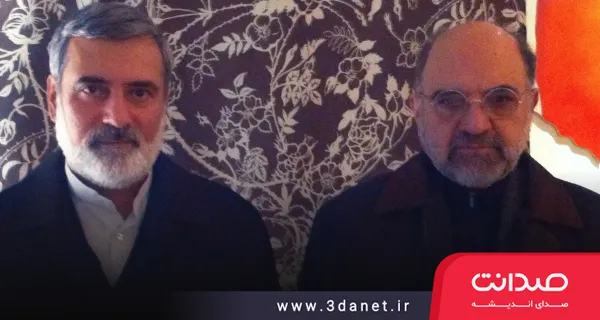

Abbasali Mansouri
AuthorMohsen Kadivar's Critique of Abdolkarim Soroush: A Reflection on the Nature of the Critique and the Point of Disagreement
Abbas-Ali Mansouri
Faculty Member, Razi University
This note is an attempt to examine the question:
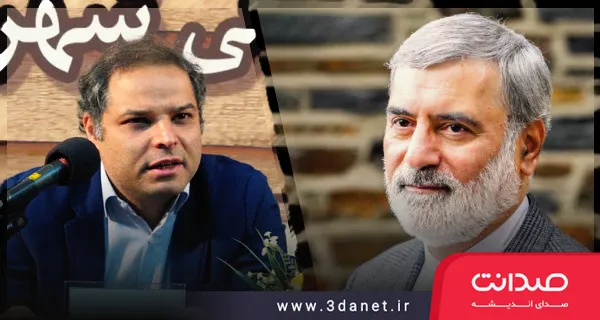
Is Mohsen Kadivar's critique of Abdolkarim Soroush's religious studies of the type belonging to religious intellectualism, or of the type that uses the cudgel of takfir (excommunication)?
Or rather, to put it better, the real question is:
What is the main issue over which Soroush and Kadivar disagree?
Preliminary question: Why is it necessary to speak and write more about the disagreement in religious studies between Mohsen Kadivar and Abdolkarim Soroush?
Some of those who, in terms of religious studies, are attached to the current of religious intellectualism and new-thinking, consider these kinds of writings and addressing this disagreement to be detrimental to religious intellectualism, to the extent that they even refrain from publishing such writings. However, I do not see the matter this way and believe that such concerns are closer to the expediency considerations of traditional thought than to the truth-seeking of religious intellectualism. Therefore, worries such as the sharp tongues of the traditional current, the downfall of the religious intellectualism current, political exploitation of this intellectual disagreement, damage to the scholarly reputation of Dr. Soroush or Kadivar, etc., should not cause us to abandon truth-seeking.
The Summary and Appearance of the Matter:
The matter is that Mohsen Kadivar critiques Soroush's religious studies and believes that Soroush's work is not an instance of the reform and reconstruction of religious knowledge, nor an instance of structural ijtihad in foundations and principles, but rather an instance of revising Islam itself and presenting a new religion, because Soroush has revised the Islamic fundamentals (revelation, prophethood, the Quran, and God) and has left no hard core for Islam. The path of his religious studies leads to the gradual dissolution of the subject of religion, God, prophethood, revelation, and the Quran, and its result is a trans-religious spiritualism, commitment to trans-religious and trans-denominational concerns, and a lack of commitment to any specific religious or denominational identity.
Dr. Kadivar, at the same time, explicitly states and emphasizes that this statement does not mean takfir, because the criterion for leaving Islam is the individual's own confession. Therefore, as long as the individual does not confess to leaving Islam, they remain a Muslim, even if we consider their understanding of Islam to be incorrect or even in contradiction with Islam. In the article "New Islamic Spectrums in Contemporary Iran," Kadivar refers to Soroush and his like-minded thinkers as "Revisionist Muslims" and clarifies that: "One cannot silence someone under the pretext of revisionism. Everyone is permitted to express whatever comes to their mind, and no one has the right to restrict another's expression of opinion, even if they consider it wrong. In other words, freedom of expression, especially in expressing unorthodox religious views, is inviolable under any pretext. Any restriction, under any pretext, in this area will be to the detriment of the growth and flourishing of religious thought. I wholeheartedly defend the right to 'freedom of expression' of Iranian Revisionist Muslims, as well as other revisionists and critics of Islam. A Revisionist Muslim is permitted to say that Islam is as they have understood it, and a critic also has the right to say that, for these reasons, presenting Islam in this way is incorrect and leads to the dissolution of Islam."
In contrast, Abdolkarim Soroush believes that Kadivar's critique is not of a scholarly nature but rather of the type that uses the cudgel of takfir to silence critics. He recently, in response to a question from an audience member (which was also published on Dr. Soroush's Telegram channel), said: "It seems that once again, instead of fair and scholarly critique, we must witness the raising of the cudgel of takfir and the accusation of 'leaving Islam, dissolving Islam, and bringing a new religion.' I myself have given scholarly answers to scholarly critiques in the past, but what is to be said about a cleric who has not yet understood the alphabet of religious new-thinking and, like some of his fellow and senior traditional seminary colleagues, still insists on the existence of a 'real and fixed Islam,' considers himself its guardian, and taunts others with the charge of leaving the fold of Islam?"
The Truth of the Matter and the Main Point of Disagreement
It is clear to the discerning and astute reader that the main issue in this disagreement, although it appears to involve questions such as: What is Islam? Where is the hard core of Islam, and does Islam even have a hard core? Is there a criterion for distinguishing a correct from an incorrect interpretation of Islam?
But the reality of the matter is that what has placed Soroush and Kadivar in opposition and separated their paths is not their differing answers to these questions. For their fundamental disagreement does not, in essence, stem from these questions.
In fact, and at its heart, the main issue and the point of disagreement between Soroush and Kadivar (and the like-minded of each of these two thinkers) is whether, in the modern world and within modern rationality, spiritual wayfaring within a specific religion is possible and desirable or not? Does modern man need to continue wayfaring within a specific religion, or is wayfaring within a specific religion no longer possible or desirable?
Mohsen Kadivar's answer to this question is affirmative. He defends both the necessity of wayfaring within a specific religion called Islam and the Shi'a denomination (although his understanding of Shi'ism differs significantly from the traditional understanding).
But it seems that Abdolkarim Soroush's answer is negative. For this reason, he presents a meaning of Islam and being a Muslim which, in Kadivar's view, whatever that meaning may be, is not Islam. But Soroush is reluctant to present the issue in its original and authentic form. Understanding why he is reluctant to do so is comprehensible. However, labeling the likes of Kadivar as naive, superficial, and unacquainted with the ABCs of intellectualism is a matter for serious reflection and critique. It is fitting that Soroush speak to the likes of Kadivar in the language of proof and reasoning.
Therefore, in reality, Kadivar's main critique of Soroush is that, just as the Shi'a/Muslim binary has become meaningless for Soroush, the Muslim/non-Muslim binary has also become meaningless for him, and his religious studies lack a clear boundary with non-religious theism. Dr. Soroush must explain how his religious studies differ from trans-religious spiritualism, and what distinguishes him from the likes of Mostafa Malekian?
With this description, the reality of the matter is that the issue between Soroush and Kadivar has nothing to do with excommunication (the explicitness of Kadivar's words on excommunication has also closed the file on this discussion), and we should not give a wrong address. Before Soroush needs to clarify his position with Kadivar, he must clarify his position with the likes of Mostafa Malekian, because now it is not only Kadivar who is a critic of Soroush's religious studies, but it can perhaps be said that the majority of religious intellectuals (including Mahmoud Sadri, Arash Naraghi, Ahmad Sadri, Abolghasem Fanaei, etc.) are critics of his religious studies.
Of course, the fact that many religious intellectuals have become critics of Soroush's religious studies, or that Soroush has drawn closer to Mostafa Malekian, does not mean that Soroush's discourse on religion is therefore incorrect or that his work is not intellectual. On the contrary, I suspect that in the not-too-distant future, the tables will turn in Soroush's favor. Just as Malekian's discourse is now more audible to modern man than that of Kadivar and Soroush. Perhaps if Soroush speaks more openly and explicitly on this subject, he will render a greater service to knowledge, to religion, and to the intellectual movement. Even if he may lose some of his audience. But it seems that Soroush's audience is more future generations than current ones.
Discussion13 comments
واقعیت این هست جناب کدیور هم به دین ثابت (متن ثابت دینی یا قرآن ) باور دارد و هم به واقعیت دین تاریخی محصول قرائت و شرایط اذعان دارد .که پس از رحلت پیامبر اجتناب ناپذیر رخ می دهد. گزاره وجود دین تاریخی بطوراجتناب پذیر دلالت به این دارد که آن متن ثابت برای کارآمدی نیازبه قرائت دارد و این قرائت هرچه که هست می تواتد متفاوتر از،فهم مخاطبان عصر وحی باشد . بعبارتی متن ثابت برای مردمانی مشخص دارای بالاترین تناسب هست .و مردمان آتی با دانش و تجربه متفاوت با مخاطببن عصر پیامبر ،فقط با متن ثابت روبرو نیستند بلکه با قرائت های مختلف نیز سروکار دارند که بمنزله دین تاریخی هست ، اگر فرض امکان قرائت از متن ثابت دینی ممکن باشد چرا قرائت محمد از "وحی" متناسب با ظرفیت روحی و فکری و دانش ومنشی خودش مقدور نباشد یا غیر صحیح دانسته شود!!؟.مگر جناب کدیور می تواتد ادعا کند که این امر ممکن نیست و فقط تکرار کلام القا شده رخ داده و متن ثابت (قرآن ) تشکیل شد.
به نظر می رسد در مخیله کدیور تکفیر هم نمی گنجد و واکنش سروش قدری تند و نامتناسب است. شاید سروش نگران سوء استفاده دیگران باشد. به شخصه از دکتر سروش بیش از هر کس دیگری آموخته ام.اما به هر حال بعضی تندزبانی هایش موجه نیست و متاسفانه مسبوق به سابقه هم هست، هر چند این تندگویی ها به مرور ایام نسبت به گذشته تعدیل شده است.
همانطور که در نقد نوشتار دیدگاه فنایی هم آوردم، تفکیک میان تکفیرِ قول و تکفیرِ قائل، صرفا به منظور فرار از اتّهام تکفیر است و واقعیت را تغییر نمیدهد. عجیب فرمایشی است که جناب کدیور گفتند تا وقتی خود شخص صراحتا اعلام کفر نکند، کافر نیست.آیا این رأی غالب فقهاست؟ کدام فقیه صاحب نامی این را گفته؟ آیا قائلان به وحدت وجود( یا قول به حلول، در روایت جهله صوفیه) خودشان صراحتا اعلام کرده بودند که : بسمه تعالی این جانب عالماً عامداً اعلام کفر میکنم؟!! قطعا خیر، پس چرا، آنچنان که آیت الله مکارم ، متخصص در فقه ، مدعی است، غالب فقها آنها را تکفیر کردند؟ برای اینکه آن فقها روشن فکر دینی نبودند و بلد نبودند در عین تکفیر، ژست روشن فکرانه بگیرند و بگویند : آقا! ما که نگفتیم تو کافری، ما گفتیم نظرات شما تماماً کافرانه است!!!. مضاف بر این، فرضا جناب کدیور اعلم از تمام آن فقهاست و تفکیک کذایی وی منطقاً صحیح است. اما چرا به آثار اجتماعی این این فتوا نظر ندارند؟ مگر از نگاه روشنفکران نباید فقیه در صدور فتوی تاثیر اجتماعی آن را هم لحاظ کند؟ چند نفر از مردم جامعه این تفکیک را میتوانند انجام دهند و در عین اینکه نظریات شخصی را جملگی کافرانه و هادم دین میدانند، او را یکی از اولیاء مقرب خدا هم بدانند؟ لااقل برای عموم مردم چنین تفکیکی وجهی ندارد. پس این آتش را نیفروزید.
پي نوشت زبان مرز مفاهمه است حتي اگر به پيامبر دسترسي داشتيم زبان عربي مرسوم محدوده مفاهمه است من امي بودن پيامبر را اينتور ميفهمم
برداشت سنتی از متن دینی باید خود را با تحلیل مدرن از محدودیت فهم انسان هماهنگ کند نتیجه را نمیتوان ایدئولوژیک به سمتی هدایت کرد میمانند زور حاکم
سلام. بنده با نظرات هر دو نفر( سروش و کدیور) آشنا هستم. با جناب کدیور هم مکاتبات متعددی داشته ام. آنچه به طور خلاصه ( به دور از نقد شخصیت ) می توانم گفت ، این است که دید کدیور واقعا دیدی سنتی است که سعی در به روز کردن آن دارد. جدا از حسن نیت و سعه ی صدر در برخورد با آرای مخالف ، عر گاه این نظرات و پرسش ها ، باور های بنیادین او را زیر سوال ببرند ، بر می آشوبد و از کلماتی مانند : « امثال شما » یا « امثال شما و دکتر سروش» به زبان تند و طعنه سخن می گوید . دکتر سروش مدتهاست به این نتیجه رسیده که تعلق خاطر ، دلیل اصرار بر چیزی نمی تواند بود. به نظرم او هنوز در راه است و در این راه ، بخش هایی از باورهای او جدا می شوند و بخش هایی ( که گاه شخصا با آنها نمی توانم همراهی کنم ) به باورهایش افزوده می شوند اما این افزودن و کاسته شدن از روی تفنن و دلخواه نیست بلکه از دید او ، راهی جز این باقی نمانده است. از نظر او یا باید دین سنتی را نگاه داشت و در نهایت پیراست ( کاری که به نظرم مسیر کدیور است) یا باید با دینی که می فهمیم ، رو در رو و بی رودربایستی مواجه شویم و برای آنچه با عقل یا اخلاق ناسازگار می نماید ، جوابی داشته باشیم. گاه این جواب ، ممکن است با باورهای همیشگی ناسازگار باشد چون از نظر او چیزی به نام دین اصلی برای ما یافتنی و در دسترس نیست .به نظرم خودش هم ادعای درک «نو از دین » و « پیامبر نو» و « خدای نو» در طی زمان دارد و از دید او این گریز ناپذیر است.
معرکه آرای مختلف و بازی های زبانی با روش و منش فلسفی که نتیجه آن گیج شدن مخاطبان و گم شدن حق و حقیقت می شود. کاری که این روزها امثال دکتر سروش و پسرش کرده اند.
نکاتی را که عرض میکنم بر گرفته از آثار و اندیشه زنده یاد علی صفایی حایری و حاصل ۳۳ سال آشنایی چهره به چهره با او و مطالعه آثارش است . نکته ای که در فهم و برسی نظرات بزرگانی چون دکتر سروش پدر و مصطفی ملکیان و دکتر کدیور شایان توجه است پیش فرض اولیه ایشان در داوری در مورد دین است . اگر ما مسایل را از ضرورت و اضطرار به دین شروع کنیم نه تحمیل دین در زمان بلوغ شناسنامه ای و تحمیل حکومت دینی بر کشوری که هنوز از معرفت دینی به جامعه دینی و تحزب روی نیاورده اند . و تا زمانی که دین ادعای خود را پس از اثبات ناکارآمدی دستاوردهای بشر در سه حوزه علم و فلسفه و عرفان برای انسانی که به شهادت استعدادهایش بیش از ۷۰ سال ادامه دارد و هر حرکت ، اندیشه و تخیل او بر تمام هستی اثر دارد اثبات نکرده و در واقع تا انسان در سه شکل فردی و اجتماعی و حکومتی نیازی به دین ندارد ، طرح دین بسیار بیجا و بی موقع است .
همه بدند تو خوبی
نويسنده حق را به مرد مي شناسد، نه مرد را به حق. انگار كه دارد يك مسابقه ورزشي بين دو مبارز و تعداد طرفدارانشان را ديده و بعد تصميم بگيرد كداميك كاربلدتر است. دين گريزي ابعاد وسيعي يافته. تقريبا در تمام جهان مدرن. خدا ناباوري بخصوص در ايران تحت ستم، كه نوميد از نجات است، با سرعت بيشتري از بقيه دنيا، در حال شيوع است. سروش پاسخي معنوي براي معضلات امروز ايران نيافت، پس با موج همراه شد. به همين وضوح. انچه او گفت و منتشر كرد عملا ضعف بنيادين در موازين اعتقادي و زايل شدن نقاب تئوريسين ديني بود كه در دوران ج ا برايش و البته با اطلاع و رضايت خود، ساخته بودند. اين حباب تركيد. نه دنيايش به ثمر رسيد و نه اخرتي برايش باقي ماند. اقاي گنجي سالهاي قبل در مورد دين سازي جديد او نوشت. همه بجانش افتادند كه نام تو وزن نام سروش را ندارد. اتفاقا كاملا درست مي گفت.اكنون اما سروش از اين دين جديد هم عبور كرده. خواهيد ديد كه به اتئيزم خواهد رسيد. تئوريسين قدرت ، فرجامي بهتر از اين نخواهد داشت.قل هل انبئكم باالاخسرين عملا؟ الذين ضل سعيهم في الحياة الدنيا و يحسبون انهم يحسنون صنعا. وضع شبستري هم بهتر از او نيست.اهميتي هم ندارد.كديور درست مي گويد. سروش هرچه باشد، مسلمان نيست.من اراء ملكيان را قابل اعتنا و متمكنانه نمي بينم. دنبال هم نمي كنم، فقط چند سال پيش جايي خواندم كه گفته؛ فرق من و پيامبر در اين است كه او گفته مخالف مرا بكشيد و من چنين چيزي نمي گويم. پس من روشنفكرم. چنين حدي از سخافت و تهمت زني به پيامبر، اگر واقعا اين گفتار از ملكيان باشد، هيچ جاي اميدي براي نگاه به گوينده ي ان، حتي به عنوان يك پژوهشگر باقي نمي گذارد.نويسنده كرامي بجاي وزن كشي و شخصيت نگاري، بنشينند و يك پرنسيب براي دين شناسي خود تعريف و سپس به نقد اراء ديگران بپردازند.
سروش تنها یک تجدید نظر طلب و نواندیش نیست بلکه سیاستمدار هم هست و در ارایه آرا و نظراتش سیاست به خرج میدهد او آهسته و پیوسته و تدریجی نظرات و تغییرات فکری خود را مطرح میکند تا مخاطبش را شوک زده نکند و بلکه دستش را بگیرد و آرام آرام با خود راه ببرد تا به نتیجه برسد
بسیار متن خوب و دقیقی برای روشن تر شدن اختلاف این دو متفکر بود. به نظرم سروش باید مثل ملکیان تکلیف همه را روشن کند. گاهی به نعل گاهی به میخ اشتباه بزرگ این روزهای اوست. امروز دیگر نحوه مواجه ی ما با ملکیان مشخص است. او سالهاست از این جدالهای فرقه ای خود را بیرون انداخته است. سوال اصلی از سروش این است: روشنفکری دینی؟ چه دینی؟ کدام دین؟ دینی که هر روز تفسیر متفاوت و ساختارشکنانه ای از آن ارائه میکنی؟ پس چه اصراری به این دین داری؟
دکتر سروش در دایره روشنفکری دینی سخن می گوید و همچنان دینداری و نحوه مواجهه با دین در جهان جدید، دغدغه اصلی ایشان است. این امثال کدیور هستند که به ذات باوری و اسلام اصیل چسبیده اند و فقط به بزک دوزک ظاهر آن توجه دارند. این قشریان متعصب به هسته منجمد دین، اعتنایی به پرسش ها و تناقضات درونی معرفت دینی خود ندارند