Philosophy
Abdolhamid Ziaei's Lecture: “Suhrawardi, Royal Theology, and the Problem of Imagination”
Suhrawardi considered Illuminationist philosophy the meeting point of philosophy and mysticism. Examining his mystical experiences in the Eighth Clime, Ziai argues that these visions should not be interpreted as literary devices, but rather understood through the reality of experiences within the mundus imaginalis.
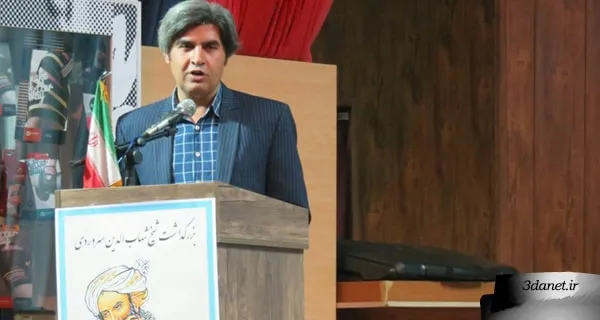
Dr. Abdolhamid Ziaei's Lecture: “Suhrawardi, Royal Theology, and the Problem of Imagination”
Suhrawardi is the Socrates of the Islamic world. One must scrutinize the life of Shihab al-Din Suhrawardi, the young-deceased philosopher and mystic of the Islamic world, and, from a broader perspective, examine the phenomenon of cultural premature death in this land. Within the span of two centuries, great mystics and thinkers such as Mansur al-Hallaj, Ayn al-Quzat Hamadani, and Suhrawardi were accused of heterodoxy and fell to the blade of excommunication. At a time when Imam Muhammad al-Ghazali, with the support of the Abbasid caliphs, had dealt a death blow to philosophy and no one dared breathe a word of it, Suhrawardi devoted himself to reviving thought. Suhrawardi's Illuminationist Wisdom is the meeting point of philosophy and mysticism. One could say it is the synthesis of these two—or a point between them—that has been named Illuminationist Wisdom. Unlike the anti-rational and reason-averse mystics of our land, the martyred Shaykh sees no contradiction between philosophy and mysticism, and his philosophical system is based on both reasoning and mystical unveiling and intuition simultaneously. The “theosopher” (hakīm muta’allih) is Suhrawardi's term for the mystic-philosopher. In addition to the two worlds of the Unseen and the Visible, Suhrawardi is the discoverer of a third world called the World of Discontiguous Imagination or the Eighth Clime. The focal and central point of this lecture is the introduction and examination of Suhrawardi's account of his mystical experiences and encounters in the Eighth Clime, which we must not approach through the method of literary interpretation and a figurative-metaphorical approach. Rather, by regarding these experiences as real, based on the differences between the World of Discontiguous Imagination and our own world, we must engage with the interpretation of these encounters.
.
.
Audio of the Lecture “Suhrawardi, Royal Theology, and the Problem of Imagination”
.
.
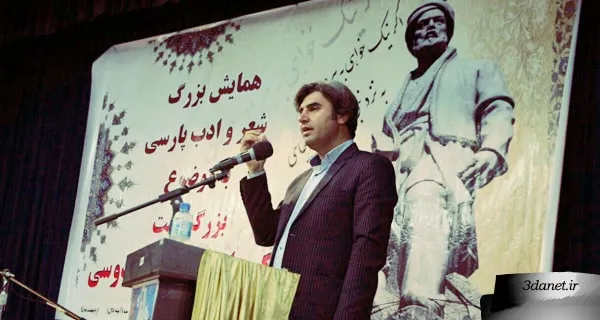
Speaker: Dr. Abdolhamid Ziaei
“Suhrawardi, Royal Theology, and the Problem of Imagination”
Isfahan Masnavi Studies Association, July 30, 2016
.
.

Discussion0 comments
No comments yet; let yours be the first voice.