Philosophy
Analysis in the View of Descartes, Moore, and the Analytic Philosophers
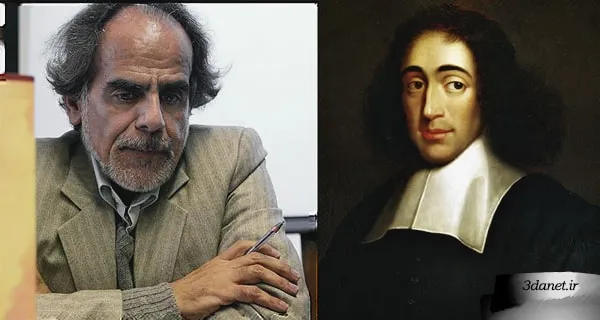
Descartes restricted knowledge to clear and distinct ideas, calling belief in unclear matters mere opinion; Mostafa Malekian considers clarity a psychological state and distinctness a relative matter that illuminates how each piece of knowledge separates from others.
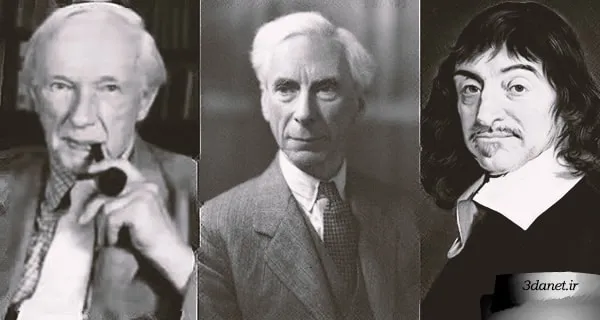
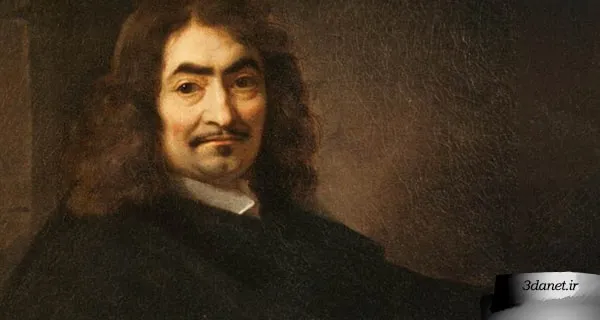
Descartes said we should confine ourselves only to our clear and distinct knowledge. In fact, something can be counted as knowledge only if it possesses these two characteristics: clarity and distinctness. If we believe in something unclear and indistinct, that thing is not knowledge (gnosis/knowledge), but opinion (doxa/belief). Only what is clear and distinct is counted among our knowledge. Unclear and indistinct knowledge is knowledge only in name and by supposition; in reality, it is not knowledge. An explanation of clarity and distinctness: Clarity is a psychological matter (meaning that to determine whether something is clear or not, we do not need to compare it with anything else), and distinctness is a relative matter (meaning distinctness is always "distinct from something else" and only has meaning in comparison). Something is clear when it is not ambiguous to us in and of itself. We call something distinct when its separation from something else is not ambiguous to us. In distinctness, one thing is distinct from another. Therefore, if you want your knowledge to be clear and distinct, firstly, each item of your knowledge must be clear to you in and of itself, and secondly, its otherness from the rest of your knowledge must also be clear in and of itself.
.
.
Audio of Mostafa Malekian's Talk "Analysis in the View of Descartes, Moore, and the Analytic Philosophers"
PDF File of Mostafa Malekian's Talk "Analysis in the View of Descartes, Moore, and the Analytic Philosophers"
.
.
Mostafa Malekian - Analysis in the View of Descartes, Moore, and the Analytic Philosophers - Session 6 of the Analytic-Philosophical Lecture Series - Subject: Specialized Philosophical Discussion - January 2010
.
.


Discussion1 comments
ممکن است فایل صونی تمام این جلسات را در سایت بگذارید؟