اندیشهفلسفهخردگفتگوحکمتمعناپرسشفرهنگ
Philosophy
Anti-Culture, Anti-Science
The book *Mapping Counter-Culture Currents* is a patchwork of fabrication and hyperbole; an examination of its chapter headings and content reveals an author captive to conspiratorial assumptions who, instead of mapping intellectual currents, has produced a piece of politically motivated bulletin-writing.
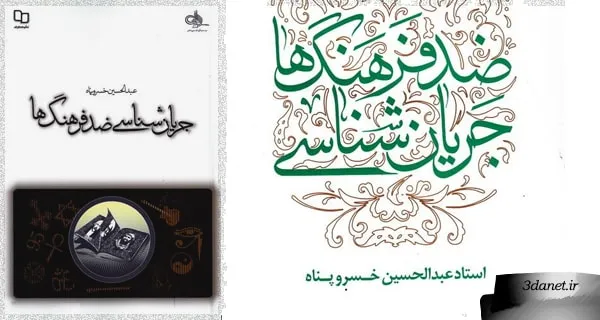
Anti-Culture, Anti-Science
A mixture of patchwork, fraud, and hyperbole under the name of “The Study of Anti-Culture Currents”
Ahmad Motalleb-Nia[1]
If we do not employ the correct method for criticizing a deviation, that deviation, which has not yet become a current, may practically turn into a deep-rooted current, in which case confronting it will be more difficult. (Abdolhossein Khosropanah)[2]
Introduction
In this writing, we will very briefly evaluate the book The Study of Anti-Culture Currents, written by Abdolhossein Khosropanah.[3] In the introduction by the Hekmat-e Novin-e Islami (Hana) Institute, that is, the institute of which Abdolhossein Khosropanah himself is the director, it is stated that this book “is a research work that has been authored by the esteemed researcher and scholar, Professor Abdolhossein Khosropanah, after years of extensive effort, research, and teaching” (16). The author of the book, at the beginning of his preface, has also called it “the author’s second systematic work in the field of the study of currents in contemporary Iran” (17). In this preface, as an “Associate Professor at the Research Institute for Islamic Culture and Thought,” he has invited critics to “bestow upon and benefit the author with any critiques and criticisms they may have regarding this work” (18). This article can be considered a response to this very invitation by the author.
About the Author
On the cover of the book The Study of Anti-Culture Currents, the author’s name is listed as “Abdolhossein Khosropanah.” On the first page, he is referred to with the title “Professor,” and in the book’s cataloging data, the title “Dr.” is used for him. In August 2011, by a decree from Kamran Daneshjoo, the Minister of Science, Research and Technology of the tenth administration (the second presidential term of Mahmoud Ahmadinejad), Abdolhossein Khosropanah was appointed as the director of the Iranian Research Institute of Philosophy (source: Mehr News Agency, news ID 1373874, Tuesday, August 2, 2011, 14:10). In this news item, he is referred to as “Hojjat al-Islam Dr. Khosropanah.” On the “Academic Biography” page of his official website, it is stated that he “graduated with first rank honors in 1995 with a Ph.D. in Islamic Theology from the Imam Sadiq (peace be upon him) Institute” (website of the Hekmat-e Novin-e Islami (Hana) Cultural Institute at: khosropanah.ir). The Imam Sadiq (PBUH) Institute, or the Specialized Center for Theology in Qom, which was established in 1991 (the year Khosropanah began his specialized theological studies at the doctoral level) under the supervision of Ayatollah Jafar Sobhani, offers a Level Four certificate at its highest educational level. In a directive dated March 11, 2014, numbered 124202/5/19, from the Ministry of Science, Research and Technology, issued by the Central Board for the Recruitment of Faculty Members to all educational and research centers, institutions, and universities, it was communicated that “pursuant to the single article approved by the Islamic Consultative Assembly on March 16, 2010, the misuse of academic titles such as Dr., Engineer, and the like, and their unauthorized use in administrative correspondence or mass media such as radio, television, newspapers, magazines, websites, and in speeches and public gatherings, printed or handwritten papers is subject to the punishment stipulated in Article (556) of the Islamic Penal Code, and the offender shall be sentenced to a minimum of three months or one year of imprisonment and a fine. Therefore, individuals who use these titles in articles, books, or correspondence before completing their doctoral course, or holders of equivalent degrees and Level 3 and 4 seminary certificates and Experts without a degree who apply these titles to themselves, their academic record lacks legal standing and is referable to judicial authorities... Dr. Mohammad Reza Rezvantalab, Head of the Faculty Member Recruitment Center” (source: International Quran News Agency (IQNA), news code: 1457648, publication date: October 7, 2014, 8:56; emphasis added by the author).
About the Book
Cultural current-analysis provides a basis for understanding diverse and influential intellectual and cultural perspectives. In the process of current-analysis, the analyst attempts to offer a fair introduction and evaluation of these perspectives, briefly outline the challenges they face, and, in addition, introduce reliable and useful sources so that audiences can conduct more detailed studies on the views that interest and concern them.[4]
The book The Current-Analysis of Anti-Cultures, with the explanation given, is devoted to various types of what its author identifies as anti-culture. Therefore, the title itself implies a bias, and the author has also stated that he examines his intended anti-cultures from a specific angle. In this respect, his work is not objectionable, because he has chosen to take a particular attitude for granted and introduce anti-cultural currents from that perspective. However, it is of course important that the author clarifies what he means by anti-culture, explains what factor or factors make these currents anti-culture, and on what basis each current was selected as an anti-culture. Furthermore, the conditions for proper current-analysis are precision and order in presenting material, sufficient and reliable citation of sources, and the accurate introduction of sources for further study. These conditions, as evaluative criteria, precisely represent the very points that make The Current-Analysis of Anti-Cultures a worthless, indeed misleading, book.
In The Current-Analysis of Anti-Cultures, the author is captive to presuppositions and conspiracy-ridden labels. For this reason, although he apparently uses the sociological term "anti-culture," throughout the book he immediately enters into a differentiation between us and our view, as representatives of absolute truth, and them, as individuals distanced from "religious sources, namely reason, the Quran, the tradition of the Prophet (PBUH) and the Ahl al-Bayt (AS)," "deviant and a heretical sect," and "organizations that operate through methods of deception, specialness, fear and intimidation, ignorance, anti-rationality, autocratic behavior, false claims, special claims of leaders, control of information and time, control of members' relationships, holding attractive and diverse meetings, and selective and distorted religiosity and spirituality" (42 and 43). Some cultural phenomena are called anti-culture because they conflict with the dominant culture of society, but that these phenomena are characterized by all these attributes and dozens of others, and ultimately are constructs of Jewry or Freemasonry (as per the explanation that will be quoted), is another claim that itself requires precise and defensible reasoning. Such descriptions show that the author is not conducting current-analysis; he is writing a bulletin. This issue becomes more pronounced when he brings psychological factors into the picture, for example where he says "the spirit of tolerance, diversity, and comfort-seeking of some humans" and "the ignorance and lack of information of individuals about the deviant beliefs and behaviors of sects" are generative factors in "the emergence and spread of sects and anti-cultures in the world" (44).
Moreover, when, beyond international politics, the author enters domestic politics and repeatedly, in various parts of the book, names the Reformist administration, its Ministry of Culture and Islamic Guidance, its Ministry of Science, the International Center for Dialogue Among Civilizations, and the founders and planners of academic disciplines such as Cultural Studies and Women's Studies as the foot soldiers of colonialists for promoting anti-cultures, it is clear that under the seemingly scientific title of current-analysis, we are reading a biased bulletin originating from a political mind that wants, by any means possible, to connect what it calls anti-culture to all the evils of the world, from Judaism and Freemasonry to the government held by the opposing group, such that by the end of the book it remains unclear where, ultimately, the cause of all this corruption, with all its diversity, lies.
For these reasons, none of the conditions for a credible and reliable current-analysis are fulfilled in the book. It is not clear what thing or things cause feminism, music-orientation, the Hojjatieh Society, Satanism, and religious pluralism all to be anti-cultures, and what boundaries and limits a phenomenon must have to be considered an anti-cultural current. Furthermore, if these are anti-cultures, why are phenomena such as religious fundamentalism or fanatical Shiism (for example, symbolized by the holding of "Omar-koshan" ceremonies) not anti-cultures, phenomena whose harm to public religious culture may be greater than some of the anti-cultures discussed in the book?
Moreover, the author is incapable of expressing the views and issues of the cultural approaches he has in mind in a clear, simple, and coherent manner; he has no categorization for enumerating these approaches within a few broader frameworks (for instance, he moves from cinema to music, then to Satanism, then to secular spirituality, then to feminism, then to religious pluralism, then to Baha'ism, then to nationalism), constantly shifts between the international arena and Iranian society, and sometimes tries to determine the status of issues that have no connection whatsoever to the study of cultural currents (for example, music in Islam and the philosophy of creation).
Ultimately, a closer look at the book reveals that the majority of the author's sources for understanding the counter-cultures he has in mind are unreliable, and his method of citing them is unclear. Accordingly, no reliable sources are provided to the audience for further study. The result of these points is that the study of cultural currents is worthless and, worse, misleading, and itself becomes a promoter of anti-culture in the understanding of cultural phenomena.
The root of all these problems lies not in the author's particular intellectual orientation (which could be right or wrong) but in two other matters: 1. His being trapped in the snare of presuppositions and conspiracy-laden labels and unbridled self-righteousness; 2. Weakness of knowledge and disregard for the standards of scientific research. What follows in the remainder of this article is confined solely to this second matter. It is necessary to note that what follows is merely a handful of examples out of a multitude of possible criticisms of the book. To facilitate the task, these criticisms are mentioned under several headings.[5]
The Book's Title
The title of the book, جریانشناسی ضدفرهنگها, is translated on the back cover into English as: "Anti Cultures Typology". After enumerating some "terminological meanings of culture" from various sources (Ashouri, Dariush, Definitions and the Concept of Culture, Tehran, 1357; Salimi, Hossein, Culturalism, Globalization, and Human Rights, Tehran, 1383, etc.), the author quotes the definitions of these individuals: "John B. Thompson" (23), "Allameh Jafari" (23), "Tylor" (23), "Myers" (24), "Herskovits" (probably meaning "Herskovits") (24), Small (24), "Patrick Nolan" (25), "Geertz" (25), "White and Ernst Cassirer" (25), and "the Supreme Leader" (26), but does not state what criterion he has for bringing together these definitions, and not others, and what specific characteristic he saw in them that he did not see in other definitions. Ultimately, he himself defines culture and anti-culture as follows: "A coordinated set of human knowledge, beliefs, values, and norms that appear in the form of various symbols in the hardware arenas of human society and matters related to civilization and are transmitted to subsequent generations. If this set is derived from the rational method and religious and Islamic texts, it is called authentic and valid culture; otherwise, it is recognized as anti-culture, inauthentic, and invalid" (27). However, a little further on (40), he utilizes the conventional and sociological definition of the concept of "anti-culture," meaning "a culture that is opposed to the prevailing culture of society" (40). Nevertheless, in a footnote, instead of its precise equivalent in social sciences and cultural studies, i.e., "counterculture," meaning "ضدفرهنگ/ پادفرهنگ," he uses the term "anti Culture," which has no place in sociological literature. This is a point that a simple internet search of these two words clearly demonstrates.
Conceptual Problems
1_ "The English equivalent of the word فرهنگ is Cult and the equivalent of the word فرقه is Sect." (21)
"cult" is used to mean sect, cult, rite, or fad and fashion (see: Farhang-e Hezareh and other dictionaries). What means "culture" is "culture". Accordingly, the author's distinction between "cult" and "sect" is incorrect.
2_ The equivalent of "جریانشناسی" for the word "typology" on the back cover of the book is wrong. "typology" means "سنخشناسی" or "گونهشناسی".
3_ "Humanism" is defined as "deification of man" (28).
One might interpret humanism as the deification of man, but the meaning of this term is "human-centeredness/ anthropocentrism/ humanism".
4_ “tolerance” has been interpreted as “the negation of the truth-claims of Islamic values” (28).
The meaning of “tolerance” is forbearance. The fact that someone within Islamic culture believes that forbearance leads to the negation of the truth-claims of Islamic values does not result in the meaning of this term being changed.
5_ “Rousseau and Montesquieu were among the first founders of nationalism. Napoleon accelerated the growth of this idea, to the extent that nationalism developed in the East even earlier than the ideas of democracy and liberalism” (368).
Were Rousseau and Montesquieu “among the first founders of nationalism”? In which reputable source of political philosophy or political science has this statement appeared? Moreover, how did Napoleon accelerate the idea of nationalism? Is he a thinker on a par with Rousseau and Montesquieu who clarifies the concept and defends nationalism, or, as the author says, “accelerates” this idea, especially in the East?
6_ In the second discourse, the author considers Freemasonry to be the root of anti-cultures, but instead of substantiating this claim, he devotes this discourse to explaining the history of Freemasonry and nowhere in the book does he provide any argument for this claim, nor does he offer any explanation to answer the simple question of whether, based on this claim, one can conclude that before the emergence of Freemasonry and “the year 1717 AD, the beginning of the deviation of the Freemasons’ path by the English” (53), no anti-culture existed in the world? On the other hand, in the publisher’s preface, meaning probably the author himself, it is stated: “In the author’s view, the enmity of the Jews [all Jews?!] towards Islam has caused them to speak and conspire against Muslims at all times and to spread deviant, atheistic, and immoral currents in Islamic societies” (16). Although on page 55 Freemasonry is linked with the “exclusive god of the Zionists,” it is not exactly clear what connection exists between Judaism, Freemasonry, and what the author calls anti-cultures such as musicism, Satanism, and feminism, and how all of these can be tied together with such definitive and sweeping expressions.
7_ The book is replete with incorrect information. For example, look at these few lines: “A group of secular and liberal modernist intellectuals in Iran, through a literary style and by forming the literary intellectuals’ association, are engaged in disseminating their thought and promoting doctrinal and behavioral vulgarity. This current, using the ideas of the Frankfurt School and the works of Habermas, Lukács, and Goldmann, has made the separation of religion from politics its slogan. Individuals such as Ahmad Shamlou (born 1304), Houshang Golshiri (born 1332), Simin Behbahani (born 1306) are prominent figures of secular modernist intellectualism who are active in the literary association. Of course, other writers, such as: Bagher Parham, Gholam-Hossein Sa’edi... Azin (Mahmoud Etemadzadeh)... Nasim Soltanipour and Nasser Pakdaman have also been and are active” (62-63). How many errors do you think exist in these few lines? The author speaks of the “modernist intellectual,” as if we also have the “non-modernist intellectual”! He accuses a group of poets and writers of “promoting doctrinal and behavioral vulgarity”; he says they are active in the “literary intellectuals’ association,” while he probably means the “Writers’ Association of Iran”; he ties them, without any explanation, to “the Frankfurt School and the works of Habermas, Lukács, and Goldmann [which Goldmann?! Lucien Goldmann or Alvin Goldman or other Goldmanns?!]”; he changes Golshiri’s birth year from 1316 to 1332; he changes Beh’azin’s name to “Azin”; he introduces an unknown person named “Nasim Soltanipour” into the “literary association” (presumably instead of Saeed Soltanpour!) and... you yourself read the detailed tale from this summary!
8_ In the cinema section, the author, without citing a source, laments that “Shahid Avini emphasizes that in our film schools, they teach the history of cinema as its philosophy” (64). On the previous page, he has said, “Many books and articles introducing and critiquing cinema at both micro and macro levels have been written by certain authors, which have not been taken seriously in cinematic circles. Perhaps one reason for the disregard toward them is their unprofessional nature and their superficial approach to cinema in these writings. Critiquing and analyzing cinema is impossible without having a clear and correct picture of it.” One would naturally expect a “clear and correct picture of cinema” and an exposition of “its philosophy,” but, as we shall see, what appears in the following pages is nothing but a patchwork of material copied from Persian Wikipedia and the most vulgar and unprofessional content about cinema, content that sometimes combines factual errors, elementary writing mistakes, and editorial blunders; for example, “In 1946 the Cannes Festival began its work, and two years later, that is, in 1948, television came to be considered a serious delimitation [tahdid] for cinema” (67). The first Cannes Festival was held in 1939, and television should presumably have been considered a “threat” [tahdid] to cinema, not a “delimitation” [tahdid] of it; though it is unclear what special characteristic the year 1948 possesses that television suddenly becomes a “delimitation” (or threat!) in it, and what exactly any of this has to do with the Cannes Festival. Are these phrases, “One of the characteristics of films in this [noir] genre is that the main characters of these films are usually the solitary anti-heroes of these films who find themselves in bad situations and there is no one to come to their aid. Private detectives, secret police, and the law-abiding citizen who accidentally gets his hands dirty with crime and is left to his own devices can be suitable options for being chosen as the main character in such films” (70), truly a “clear and correct picture of cinema” and “its philosophy”? Does the author really imagine that these writings constitute an analysis of cinematic currents? One must thank God a thousand times over that Shahid Avini is not here to see what those inheriting and bearing his name are feeding the people in the name of analysis and a “clear and correct picture” of cinema, and then, in the end, simply conclude that “world film and cinema are based on relativistic epistemology, materialist ontology, hedonistic anthropology, and vice-oriented axiology” (76)! As the author himself says, “the intelligence and understanding of film-viewing in society must be elevated” (77)!
9_ In some instances, the author is so hasty and careless in expressing his points that he pays no attention to the implications of his words and sometimes speaks contradictorily within a single sentence. For example, in the fourth discourse, under the vague title “Music-ism, an Anti-Spirituality Approach,” aside from not feeling any need to clarify what he means by his self-coined term “music-ism,” he says: “Sometimes music, as a common human experience, can also be effective in providing secular spirituality and, at times, in strengthening religious spirituality, but it can never actualize religious spirituality, that is, the journey toward divine proximity and… for the human being” (84) (emphases are from the author of this article). In this chapter, large parts of which are copied verbatim from Persian Wikipedia, Fundamental Theory of Music by Parviz Mansouri, Music: An Appreciation by Roger Kamien, and a collection of articles by Mostafa Kamal Poortorab titled Scientific Knowledge of Music (and the author has not even refrained from copying the citations existing in these sources), Khosropanah has sometimes also offered his own commentary, which, of course, due to his absolute unfamiliarity with the subject, has turned out ludicrous. For instance, on page 98, he says the guitar is one of the characteristic classical instruments of classical music, and does not answer the question of where the guitar is found in orchestral classical music; or on page 100, he says Romantic music is “very harmful and dangerous”; or on the same page, he calls the band U2, which is a rock band, a pop band that “makes meaningful songs”; or on page 105, he says, “The nature of metal music is violence-inducing. The reason for this is the use of violent [?] and loud guitars”; or on page 107, he says, “The themes of rap songs have several main axes [sic]: first of all, sex and promiscuity; second, relationships between boys and girls; and third, obscene and ugly swear words.”
Lengthy Quotations
The book is full of long, continuous quotations, sometimes stretching over several pages. By none of the scholarly standards, including those of academic publications within the country, is this volume of quotation acceptable in a scholarly work; it serves more to “pad out” the text to make it bulkier, especially where the subject matter does not warrant such a volume of quotation. Consider these examples:
1_ Pages 186 to 219 (33 pages) of direct quotation from the Al-Mizan commentary (instead of explaining the matter from Allameh Tabatabai’s perspective)
2_ Pages 216 to 218, quotation from volume thirteen of Bihar al-Anwar and volume three of Ihya’ ‘Ulum al-Din
3_ Pages 232 to 238, quotation from the translation of the first volume of Al-Mizan
4_ Pages 366 to 367, quotation from Wikipedia
5_ Pages 360 to 362, quotation from “Mrs. Mahnaz Raoufi” (its source is unclear).
Copying from Persian Wikipedia without citing the source
Throughout the book, material from Persian Wikipedia has been copied and pasted in numerous instances without the author citing their source. Referencing Wikipedia, especially Persian Wikipedia, is not accepted in any reputable scholarly journal or book inside or outside Iran, because this internet encyclopedia is not considered a scholarly reference. The author of Jaryan-shenasi-ye Zedd-e Farhang-ha has not only copied and pasted Wikipedia material but has also failed to cite their source. This is one of the clear instances of plagiarism and academic fraud. This cobbling together of copied-and-pasted material is so severe that in some cases the book’s pronominal references using “the same” and “this very” have become jumbled in the main text, footnotes, and citations, making it unclear to which reference these “the same” and “this very” referents should be traced back (for example, see page 67, where, if we take these “the same” and “this very” references seriously, we must conclude that the 1960s, the year in which “films in America were rated according to audiences,” the beginning of “New Chinese Cinema,” the “opening of the Tokyo Festival,” the “introduction of Taiwanese cinema to the world,” and the making of the film “The Last Temptation of Christ” (or, as the author puts it, “The Last Temptations of Christ (!)”) are all one and the same! Here we enumerate some instances of fraud from Wikipedia:
1_ The definition of cinema from the Persian Wikipedia entry “Cinema”: “A cinematic presentation, which is called a motion picture, consists of elements of image (in the form of a series of frames) and sound (dialogue and music). A film is made based on a screenplay or scenario and by a group of actors, a director, a cinematographer, etc. Cinema is the newest branch of art, known as the seventh art or the eighth art, and is considered one of the most popular and widespread artistic productions” (63). Of course, the phrase “or the eighth art” does not exist in the original Wikipedia text.
2_ Information about the Lumière brothers on page 64 has been clumsily copied from the “Cinema” entry on Persian Wikipedia under the history of cinema section.
3_ Information about the Shure instrument on page 92 has been copied from Wikipedia.
4_ Material about classical music on pages 98 and 99 has been copied from Wikipedia.
5_ The source mentioned in the footnote on page 99 has been copied from Wikipedia.
6_ Information about the blues genre on pages 100 to 101 has been copied from Wikipedia.
7_ Material about the pop genre on page 100 has been copied from Wikipedia.
8_ On pages 102 and 103, information about the rock genre has been copied from Wikipedia.
9_ On page 106, information about the rap genre has been copied from Wikipedia.
10_ The source mentioned in the footnote on page 100 has been copied from Persian Wikipedia, although the author has cited a different source: “See: Music and the Romantic Movement in Music, A. W. Locke, 1969.”
11_ Information about the “Yazidi sect” from page 177 to 186 has mostly been copied, with slight manipulation, from related entries on Persian Wikipedia.
Copying from other sources, without citation or with insufficient citation
Khosropanah's copying is not limited to the Persian Wikipedia and also includes copying from other works. These copies sometimes have no citation at all, and sometimes, over the course of several copied pages, with no indication that it is a quotation, the author has only cited a source once at the end. For example, pages 45 to 48 are copied, with minor changes, from a text that is given a citation at the end in this form: "Unconventional Religious Movements in the Western World (2), authored by the Astan Quds Research Foundation" (48). An internet search shows that the original source is an article titled "A Study of Unconventional Religious Movements in the Western World," written by Heydarreza Zabet, published in the Mishkat Quarterly, No. 85, Fall and Winter 2004.
Quotations without a source
Throughout the book, there are quotations whose sources are unidentifiable and inaccessible. For example, note the following cases:
1_ It is unclear from which source the quotations on pages 171, 172, and 173 are taken, and the reports mentioned on these pages and pages 174, 175, and 176 are all without a source. Only in the footnote on page 177 is this source mentioned: "Satanism, research by the Mysticism Group of the Islamic Culture and Thought Research Institute." In the book's final bibliography, this source is introduced as: "Satanism, Archive of the Mysticism Group of the Islamic Culture and Thought Research Institute." No mention is made in the book of the author of this research, the date it was conducted, or how to access it.
2_ On page 170, it is stated: "According to a report by the Iran newspaper, six villainous youths with the names Danny Petrosian, Peyman Iblis, Amir Makhoof, Miloni Khofash, Ali Dozd, Ali Slash, by promoting Satanism...". The source of this report is not mentioned.
3_ The etymology of words is without a source. For example: "The word pluralism is taken from the Latin word plurais meaning a tendency towards multiplicity" (27). "The word Freemasonry is taken from the English word freestone mason meaning a fine stone-carver or free builder" (53) (It seems the original source is the "Freemasonry" entry in the Persian Wikipedia. Of course, the Latin term is written incorrectly; the correct form is free stonemason). "Noir is a French word that means black in English" (70). "The word jazz is taken from the vernacular of Black people and it is probable that it originally had sexual meanings, although other roots have also been suggested for it" (100). "The reason this style became known as the blues was that the pioneers of this style (Black slaves) performed this music with sorrow, and Blue in English also means sorrow" (pp. 100-102). "The term Baroque means irregular pearls" (98). "The word music comes from the Greek word Mousika and is derived from the word Muse, which is the name of the deity protecting poetry, literature, and music in ancient Greece" (85). "Feminism [in a footnote: feminism], is a French (!) word, a current that emerged in the West in the 19th century as the women's movement. This word entered the French cultural and social lexicon in 1837" (242). "Natio in the French language means a backward tribe and has meant 'to be born'."
4_ "Classical music today no longer has general popularity and only a few are fans of it" (98).
5_ "It is quoted from Socrates that he said, give me the music of a country, and I will deliver to you whatever country you want" (107).
6_ “The mukhannath was the first person who, after Islam, revived music on the basis of Iranian music” (89). Since this last case seems very strange, the curious mind wants to see how the author arrived at it. Searching for its source on the internet, we find that the Wikipedia entry for “Arabic music” states: “From the Ottoman period, just as was common in Iran and Eastern Rome, ‘male musicians’ abounded in the Arab world. The first men who engaged in music professionally were usually from among the mukhannathun (a mukhannath is a man who behaves effeminately). But gradually, ordinary men also entered the music profession.” This statement, in Khosropanah’s writing, has been transformed into the sentence mentioned earlier, and the author did not ask himself, or wonder, whether the name of the first person who revived music on the basis of Iranian music was really mukhannath?
Unreliable and Unspecified Sources
The Typology of Anti-Cultures is full of unreliable sources, in comparison to which Persian Wikipedia entries count among the most credible and precise scholarly sources. Also, in some cases, citations are mentioned in a loose and unconstrained manner. For example, note these instances:
1_ Page 108, a quotation from Hamid Maghfori’s blog with the blog address recorded upside down
2_ Page 319, a quotation from the blog http://akharinmongy.blogfa.com
3_ Page 170, the source is “the site wikepedia.org and other sites,” without specifying which entries and which “other sites” the author has in mind.
_ In the footnote on page 369, “Wikipedia, the free encyclopedia” is given as the source. This citation method differs from other ways of referencing Wikipedia (though the question remains whether a specific citation style was actually intended or not), and it is not clear which entry it refers to.
5_ In footnote 2 on page 186, for further information on the sentence, the author refers to Wikipedia and the blog http://mimsad.blogfa.com.
6_ On pages 264 to 265, the footnote only mentions: “See the Leadership site” (265).
7_ In footnote 1 on page 159, it states: “Sheikh Hurr Ameli, ibid., translated by Ahmad Jannati, vol. 7, p. 405.” By referring to the previous pages, it is not clear what “ibid.” refers to.
8_ In the footnote on page 471, it states: “Derived from the research of the NAJA Deputy.” In the end-of-book references, source number 301 does not mention the date and location where this source is held.
9_ In footnote 1 on page 44, it states: “See com and the book Sects Among Us and Sects, Spiritual Movements and Anti-Cult.” No bibliographic details or more precise internet page address is mentioned.
10_ In the footnote on page 123, the reference is exactly as follows: “A summary of the remarks of Seyed Amir Hosseini, President of the National Olympic and Paralympic Academy and Secretary of the International Federation of Ancient Sports.” There is no other explanation!
11_ In footnote 1 on page 375, the source is given as: “Hamid Parsania, Nationalism,” with no mention of the time and place of publication of this source, or the rest of its details after the comma. By searching the list of references at the end of the book, we find the rest of this source’s details in number 95: “Parsania, Hamid, Nationalism, Fars News Agency, 9/2/1387.” The author did not even take the trouble to search for the material again and mention the internet page address.
.
.
Disarray in the Book’s Final References
در فهرست منابع کتاب (صفحات 539 تا 560) تعداد 379 منبع معرفی شده که مخاطب را شگفتزده و تا حدود زیادی مرعوب میسازد. اما نگاهی دقیق به منابع اشتباههای فراوانی را آشکار میسازد که در خوشبینانهترین حالت ناشی از بیدقتی، سهلانگاری و عدم بازنگری آنها دستکم از سوی ناشر -حتی در چاپ هشتم- است. اکثر این خطاها در پانوشتها و ارجاعات داخلی کتاب نیز دیده میشود و اساساً از آنها به فهرست منابع منتقل شده است. برای مثال، نمونة 8 را که حاوی اشتباهات فاحش و مضحکی است، بخوانید. وجود این تعداد غلط باعث میشود که این فهرست، عملاً به هیچ دردی نخورد و به طور کامل از خواننده سلب اطمینان کند. در ادامه تنها به ده مورد از این خطاها اشاره میکنیم. بیتردید ویراستار حرفهای در این فهرست شمار بیشتری از این خطاها را خواهد یافت:
1_ ثبت غلط اسامی: مثلاً «تا باتامور» به جای تام باتامور (منبع 99) و «ریتز» به جای «ریتزر» (منبع 163) و «کیهی ین راجر» به جای «راجر کیمیین» و «حسین بالینی» به جای «حسین یاسینی» (منبع 271).
2_آشفتگی و بههمریختگی ثبت اطلاعات کتابشناختی منابع: ترتیب اطلاعات کتابشناختی رعایت نشده است و هیچ نظم مشخصی ندارد. از نظر کمّی به نظر میآید بنای اصلی چنین است: نام خانوادگی نویسنده، نام نویسنده، عنوان کتاب، نام مترجم، انتشارات، تاریخ. اما در بسیاری از موارد این ترتیب به هم ریخته است و مثلاً منبع با نام نویسنده یا نام کتاب شروع شده است، مثل این شمارهها: 82 ، 88، 90، 92، 99، 121، 107، 135، 136، 142، 167، 228، 232، 233، 266، 279، 306، 350، 351.
3_ آشفتگی در ترتیب منابع: عدم تفکیک کتابها از نشریات و فرهنگنامهها و کتابهای مرجع (مثل دایرهالمعارفها و دانشنامهها و کتب حدیث) و صفحات مجازی و ذکر همة آنها بر اساس حروف الفبا، مثل شمارههای 44، 45، 46، 47، 83، 90، 91، 95، 96، 109، 118، 119، 120، 121، 127، 151، 152، 189، 238، 266، 272، 273، 296، 299، 301، 321، 337، 338، 357، 364، 365، 366.
4_ منبع شمارة 318 چنین است: مفهوم الفقه الاسلامی. معلوم نیست منظور از این تعبیر چیست و به چه معنا منبع است!
5_ در منبع 350 نام نویسنده (ساموئل هانتینگتون) ذکر نشده است.
6_ نویسندة دو منبع 5 و 60 «آشوری، داریوش» است اما معلوم نیست چرا این فاصله میان آنها وجود دارد!
7_ منبع 367 کتابی است که در پانوشت 1 از صفحة 106 اسم آن آمده و از صفحة مدخل «هوی متال» در ویکیپدیای فارسی کپی شده است. در فهرست منابع اشارهای به سال نشر و انتشارات آن نشده است. عدم اشاره به این مشخصات در موارد بسیاری نشانة این است که خسروپناه ارجاعات منبع اصلی خود را هم به عنوان منابع اصلیِ دیگرش کپی کرده است.
8_ منبع شمارة 368، مثل شمارة پیشین، از مدخل «هوی متال» ویکیپدیای فارسی کپی شده است. ضمن عذرخواهی از خوانندگان، نکتة جالب توجه در این منبع آن است که در عنوان اصلی کتاب کلمة «Fuck» وجود ندارد (معنا هم ندارد!) و مشخصات دقیق کتاب چنین است: Running with the Devil: Power, Gender, and Madness in Heavy Metal Music نوشتة Robert Walser، چاپ انتشارات دانشگاه Wesleyan، سال نشر 1993. اما در کتاب جریانشناسی ضدفرهنگها، به تبع مدخل «هوی متال» در ویکیپیدیا، عنوان این کتاب هم در پانوشت 1 صفحة 106 و هم در منبع شمارة 368 در انتهای کتاب چنین ذکر شده است: Running with the Devil:Fuck Power, Gender, and Madness in Heavy Metal Music. نتیجه اینکه بروز چنین مشکلاتی در انتقال مطالب ویکیپدیا را فقط نباید نزد گزارشگران مسابقات فوتبال و نام و نشانی معمارانِ سازندة ورزشگاه سراغ گرفت! بهاصطلاح استاد و دکتر و محققی هم که به جای کار پژوهشی مشغول کپی- پِیست کردن مطالب ویکیپدیا باشد ممکن است گرفتار این مشکلات بشود!
9_ The place and date of publication for some of the sources are not mentioned at the end of the book, without using the terms “n.d.” and “n.p.” and the like, especially since the time and place of publication for many of these sources are known. In many instances (such as 16, 17, 34, 35, 36, 50, 51, 85, etc.) the aforementioned terms (n.d. and n.p.) have been used, and therefore the omission indicates carelessness and inaccuracy. Look at these cases: 4, 5, 81, 98, 108, 117, 118, 123, 130, 141, 150, 153, 173, 176, 187, 196, 201, 208, 209, 216, 233, 234, 235, 236, 264, 266, 273, 276, 285, 299, 301, 315, 318, 321, 332, 361, 363, 367.
10_ Some sources are ambiguous. For example, source 184 is introduced as follows: Singer, Margaret Thaler, “Cults in Our Midst,” Feraq website. Also, source 268: Kermani, Mohammad Karim Khan, Ershad al-Awam, Shaykhiyya website; and source 285: Mani, Hassan, The Hojjatieh Society as a Gnostic Sect, Mohakemeh website (source 290 is also from this site and is introduced in the same way).
Other Problems
1_ Parts of the book’s content do not have even a single source. For example, the entire content related to cinema, from page 63 to 81 (18 pages), has no source. In these pages, we read scattered information and biased, sometimes incorrect, analyses about world cinema, Iranian cinema, and certain films under these subheadings: Definition of Cinema, History of Cinema, Film Genres (Styles): 1) Fantasy, 2) Science Fiction, 3) Drama, 4) Comedy, 5) Action, 6) Noir, 7) Western, 8) Horror, A Glance at Eastern Cinema, A Glance at Iranian Cinema, Pathology of Cinema, Crisis of Cinema, Moral Harm, Religious Harm. In these pages, the author, in his own opinion, lists the names of the best filmmakers or the best films in a genre (which is incorrectly translated as “style”), but it is unclear on what basis or criteria their selection was made. Some of these names are also incorrect. For instance, the title of the film “The Last Temptation of Christ” (directed by Martin Scorsese, USA, 1988) is incorrectly mentioned several times as “The Last Temptations of Christ,” or Ingmar Bergman’s “Autumn Sonata” is written as “Autumn Sonatas” (99).
In general, in the cinema section, in addition to what was mentioned, we read interesting and amusing comments such as these: “These films (meaning ‘Fantasy’ films?) constantly engage in fantasy” (68). “The difference between the science fiction genre and the fantasy genre is that in this style, all events must be related to science” (68). In the definition of the drama genre: “The internal characters of these films are most often caught in real situations, and getting out of them becomes the main subject of the film. Precisely for this reason, all sorts of people of any age, shape, and form watch films of this genre” (68-69). “Action refers to films in which scenes of combat [probably meaning ‘fighting’] and physical clashes are thematic. Another characteristic of this style is its simple, uncomplicated, and easily digestible screenplay” (69). In the definition of the “horror genre”: “The goal of films in this genre is to frighten the audience” (71). “Someone like Satyajit Ray [probably meaning ‘Satyajit Ray’] emerged in Indian cinema and brought dignity to Indian cinema” (71). “In pre-revolution films, except for a few countable films made by talented filmmakers of that time, the rest of the films were pointless and all imitated from Indian and Western cinema. Most of the films of that time... were foolish, rubbish, and all similar to each other” (72). “To this day [probably referring to the first edition of the book, and naturally, in later editions, no one has bothered to revise this statement], the greatest honors Iranian cinema has achieved have been Majid Majidi’s nomination for the Academy Awards and Abbas Kiarostami receiving the Palme d’Or. Post-revolution cinema has been more serious and is based on concept and realism. But it has not been and is not Islamic cinema” (73). “Today, no important subject or story remains for cinema, and according to experts, all stories have been told and all films have become clichéd and repetitive” (77).
2_ The number of typographical, writing, and editing errors, and ambiguous sentences in the book is truly beyond counting, and mentioning them in this piece is not possible.
3_ Since multiple sections of the book are likely the result of cobbling together and copy-pasting various pieces (including numerous pieces from Wikipedia entries and other online and offline sources), right in the middle of some of the book's content one finds completely irrelevant sentences. For an interesting example, see the end of page 103, where the author (or better said, the copy-paster!) is talking about an English music group but suddenly we read this sentence: “Farhad’s songs were banned in Iran”; and then the previous topic is resumed! The reader asks themselves, where is Farhad?! Where did this sentence come from?! In exactly which world is the author?!
Conclusion
Abdolhossein Khosropanah has written in his foreword to the book: “Cultural officials, especially the esteemed members of the Supreme Council of the Cultural Revolution, the Cultural Commission of the Parliament, and the Supreme National Security Council, by studying this book can adopt a systematic and targeted approach towards the country’s cultural currents and formulate an action plan against anti-cultures within the framework of the Islamic Republic of Iran’s Vision Document... Cultural and security administrators must take this kind of research seriously and fundamentally and dedicate research institutes and university and seminary disciplines to this type of research” (17). We hope that the country’s cultural and security officials never read this book and its ilk, so that they do not fall prey to misunderstanding, superficiality, and incorrect judgments regarding diverse cultural issues and perspectives. Or, put another way, we hope that the country’s cultural and security officials definitely read this book and its ilk so that they can see with their own eyes how deplorable and dangerous misunderstanding, superficiality, and incorrect judgments about cultural issues and perspectives—based on a mixture of cobbled-together, fraudulent, and exaggerated content—are, and how, regarding certain cultural problems, it can cause a mistake or deviation “that has not yet become a current to practically become a deep-rooted current.” Yes, if only the country’s cultural officials would read this book and know that its author is someone who considers himself worthy of heading the Iranian Institute of Philosophy and presumably membership in various councils and boards, including the secretaryship of theorization boards, and calls his critics the “opposition”; if only they would definitely read this book, which has been printed 10 times in this same form to date, and know that when university professors in this country are to be promoted from assistant professor to associate professor and, for this purpose, participate in “insight-enhancement” programs, this book is one of their study resources so that through it their insight into the cultural and anti-cultural currents of Iranian society is increased. In that case, perhaps they would not need to go far afield to identify the causes of scientific backwardness or other scientific and cultural harms.
.
.
[1] Graduate and researcher in Cultural Studies
[2] “Conversation with Hojjat al-Islam Khosropanah about the book ‘The Current-ology of Anti-Cultures’”
[3] The bibliographic information of the reference work we are examining is as follows: The Current-ology of Anti-Cultures: An Explanation and Analysis of Cultural Currents Opposing the Pure Muhammadi (PBUH) and Alavi (AS) Culture, such as Satanism, Music-Orientation, Secular Spiritualities; Abdolhossein Khosropanah; Qom: Hekmat-e Novin-e Islami (Hana) Cultural Institute and Islamic Education and Training Publications; printed by Bustan-e Ketab; Edition: Eighth/2014; Print run: 1000 copies; Price: 240,000 Rials. It is necessary to note that in this article, all numbers in () refer to the page number in this same book. In writing quotations within “”, every effort has been made to preserve the author’s orthography, and therefore if somewhere in a quotation a zero-width non-joiner is not observed or a word is written separately or joined together, it conforms to the original text.
[4] A good example of cultural current-studies is discourses by Mostafa Malekian, presented over 20 years ago, the content of which is available in the form of an unofficial booklet.
Essentially, the term and format of intellectual and cultural current-studies began with the presentation of these very discourses.
[5] In this article, not much will be said about the chapters concerning Wahhabism, Baha'ism, the Hojjatieh Society, Sufism, and Satanism in the book, because, considering the intellectual approach of the book's author and his associates, critiquing these sections might lead to the article's author being accused of defending those views!
.
.

Discussion62 comments
http://problematicaa.com/jarianshenasifekri/ نقد آقای مطلب نیا به کتاب دیگری از عبدالحسین خسروپناه
از جناب خیرخواه که این متن را منتشر کرده اند سؤالی داشتم. لطفا خود ایشان پاسخ بفرمایند. چرا پشت شخصیتهای ساختگی خود را پنهان میکنید؟ با جستجوی در نت معلوم میشود که هیچ ردپایی از جناب «احمد مطلب نیا» وجود ندارد؟ اگر به دنبال نقد علمی هستید چرا هویت ناقدان را مخفی میکنید؟ مگر نقد علمی نیازمند پنهان کاری است؟ واقعا این سوال را پاسخ بدهید ممنون
من هم حرفی در مورد نقد بزنم شاید مشهور شم! به این عبارت از نقد توجه بفرمایید: " از آنجا که احتمالاً بخشهای متعددی از کتاب حاصل سرهمبندی و کپی- پِیست تکههایی مختلف (از جمله تکههایی فراوان از مدخلهای ویکیپدیا و دیگر منابع اینترنتی و غیراینترنتی است، درست در وسط برخی مطالب کتاب جملاتی بهکلی بیربط یافت میشود. برای یک نمونه جالب، انتهای صفحه ۱۰۳ را ببینید که در آن نویسنده (یا بهتر است بگوییم کپی- پِیستکننده!) در حال صحبت درباره یک گروه موسیقی انگلیسی است ولی ناگهان این جمله را میخوانیم: «آهنگهای فرهاد در ایران غیرمجاز بود»؛ و سپس همان مطلب قبلی پی گرفته میشود! خواننده از خود میپرسد فرهاد کجاست؟! این جمله از کجا آمده است؟! نویسنده دقیقاً در کدام عالَم است؟! " این عبارت لااقل در سطر انتهایی نامفهوم است زیرا کانتکتس کافی برای روشن شدن اشکال ارائه نداده. پدیده نقد !
سلام. نقد خوب و موثری بود. امیدوارم آقای خسروپناه یا یک نفر در وزارت علوم توضیحی درباره ی این میزان از بی اخلاقی علمی، سرقت ادبی، شلخته کاری و ... ارائه دهد. البته خیلی بعید است که چنین اتفاقی بیافتد. اما همین که تشت بی سوادی امثال خسروپناه از بام بیافتد و صدایش را همه بشنوند هم بد نیست. لااقل بعد از این کسانی که در کار کپی-پیست از ویکیپدیا و جعل عنوان دکتر و استاد وت حجت الاسلام و ... برای خودشان هستند، گوشی دست شان هست که ممکن است آدم های گمنامی پیدا شوند و دست خالی آن ها را رو کنند. بی صبرانه منتظر نقدهای دیگر بر دیگر مقالات و نوشته های «حجت الاسلام دکتر عبدالحسین خسروپناه ریاست محترم موسسه پژوهشی حکمت و فلسفه ایران» و «دانشیار پژوهشکاه فرهنگ و اندیشه اسلامی» هستم.
پنهان کاری و جعل هویت ادعای متن بالا را زیر سئوال می برد. آیا حمله دست جمعی عقلانی است؟ آیا در نوشته ها انصاف و نقد دیده میشود و یا احساسات ضد گروهی که اندیشه متفاوت از موضع مورد علاقه مدعی دارد؟ وجود واژگان تحقیر آمیز این سئوال را در ذهن ایجاد می کند که اگر این ادعا واقعا علمی و تحقیقاتی است نوع کلام و لحن می بایست بیطرفانه و آکادمیک باشد. متن را دوباره بخوانید و کانتها را همینطور آیا در آن هیچ نشانه ای از احساسات قلبی دیده نمی شود؟
تایید شما هم در تصدیق صحت مدعا مطمئنمان کرد!
منتظر نباشید احتمالا اساتید فلسفه همگی بجای انجام وظایف خود و راهنمایی دانشجویان دکتری روی آثار آقای خسرو پناه افتادند و صداقت آکادمیک خود را (که انجام وظایف راهنمایی دانشجویان شاما آن است ) صرف حمله به شخصیت آقای خسروپناه می کنند. عجیب است که نقدها بر کتاب های متفاوت و به ترتیب و همگی در زمان مناسب منتشر می شوند. معلوم است نقدها خودجوش و بدون هماهنگی صورت گرفته. حال اگر مشخص شد با هماهنگی بوده بد نیست ببینیم که آیا متفاوتند و یا مشابه. نقدها شباهتهایی دارند که به ذهن این شبه خطور می کند که گویی تمپلت و الگویی وجود دارد که منتقدین فقط جاهای خالیش را پر می کنند! .....سخیف است......پر از اشکال ...............انتحال...................ویکی پدیا........دانشجوی ترم یک ..... چند تا از این عبارات در این نقدها تکرار شده؟
نوشتن اثری همراه با نظرات رایج ساده است. کار خسروپناه حاوی اشکال است چون همراه نیست. درست مانند پایان نامه که ظاهری و فرمی مورد تایید دارد که نمره می گیرد و آن که بدیع است و مورد نقد وران گر. این اشکال سلیقه ایرانی است. کار ناسازگار با جو رایج اشکال فراوان دارد چون نیل به اشکال فضای رایج زمان بر است.
الان وقت مناسبی برای جلب توجه است. راهش هم آسان لگد زدن به فردی که در لبه چاه است. محتوی هم که تحقیر . راستی کوچکترین کتاب آقای خسروپناه کدام است؟ ما هم بعدی باشیم شاید چیزی از این بی اخلاقی نسیبمان شود.
راستی چرا آقای خسروپناه لبه ی چاه است؟! کدام چاه؟! چرا؟! خودشان کاری کرده اند یا دیگران ایشان را به لبه ی چاه کشانده اند؟! یعنی آیا ممکن است بعد از بر ملا شدن بی سوادی و تقلب های علمی او، از سمتی که دارد بر کنار شود، تا فرد لایقی جای او را بگیرد و آقای خسروپناه هم به جایگاه پیشینش یعنی دانشیاری پژوهشگاه فرهنگ و اندیشه اسلامی(وابسته به سازمان تبلیغات اسلامی) برگردد؟! آیا اگر ایشان اندکی در نگارش آثارش دقت بیشتری به خرج می داد و با کپی کاری و تقلب علمی و دزدی از این و آن و نگارش مطالب بی سر و ته، کمتر و در موضوعات محدودتری می نوشت، باز هم لبه ی چاه بود؟ آیا کسی می تواند از این ایرادها به استادان صاحب نام و شریفی چون پرویز ضیاء شهابی و شاپور اعتماد و ضیاء موحد و حسین معصومی همدانی و ... بگیرد؟! آیا خود آقای خسروپناه مقصر نیست که درباره ی همه چیز اظهار نظر می کند، از موسیقی جاز و بلوز گرفته تا سینمای شرق آسیا و فمینیسم و ریشه های ناسیونالیسم و مقام ها و دستگاه های موسیقی ایرانی و ریشه های وهابیت و ... ؟ آن هم به مدد ویکیپدیا و کپی پیست کردن از آثار دیگران، بدون ذکر منبع و پر از غلط؟ آیا بهتر نیست آقای خسروپناه همه جا خودش را دکتر و استاد و ... نخواند و در «زیست نامه» اش ننویسد: «چشم به جهان طبیعت گشود»؟!آیا بهتر نیست این استاد ارجمند و فرهیخته ادعا نکند که از 21 سالگی، زمانی که هنوز به موسسه کلام پژوهی امام صادق(ع) در قم(که آیت الله سبحانی آن را تاسیس کرده) نیز نرفته است، در «تربيت معلم دزفول و دانشگاههاى شهيد چمران اهواز، شهيد بهشتى و علوم پزشکی شهید بهشتی، علامه طباطبايي، تربيت مدرس، دانشگاه تهران، دانشگاه علوم اسلامى رضوى مشهد، دانشگاه فردوسی مشهد و مؤسسه پژوهشی حکمت و فلسفه ایران به تدريس دروس فلسفى و كلامى پرداخته است»؟! آیا بهتر نیست به جای این رزومه سازی ها کمی در نوشتن تمرین کند که بعدا چند نفر آدم بیکار پیدا نشوند و با اسم مستعار دروغ ها و تقلب هایش را بر ملا نکنند؟! آیا کسی جز خودش او را بر لبه ی چاهی که شما ذکر می کنید، قرار داده است؟! فقط نگاهی به آخرین یادداشت ایشان در خبرگزاری مهر(وابسته به سازمان تبلیغات اسلامی) بیاندازید: در یک مطلب 1600 مدعی شده که نسبی گرایی و پلورالیزم معرفتی را به عنوان «ابزارهای معرفت شناختی جنگ نرم علیه جمهوری اسلامی» خوانده و آنها را به زعم خودش به طور کامل زمین زده است! آیا این ساده انگاری نیست؟ آیا این ادبیات(جنگ نرم و ...) زیبنده ی یک استاد فلسفه و رئیس یک موسسه پژوهشی است؟ آیا این ادبیات امثال رحیم پور ازغدی و حسن عباسی نیست؟ تازه، به فرض که اشکالی نداشته باشد، آیا بهتر نیست جمهوری اسلامی از آدم های باسوادتری برای این کارها بهره بگیرد؟! کسانی که فکر نکنند با یک یادداشت 1600 کلمه ای می توانند پنبه نسبی گرایی معرفتی و پلورالیزم را بزنند و خیال خودشان و همه را راحت کنند! آخر اگر مسئله اگر به همین سادگی بود که این همه کار فکری نمی شد! حتما یادداشت آقای خسروپناه را در سایت خبرگزاری مهر(وابسته به سازمان تبلیغات اسلامی) از دست ندهید، خیلی معرفت افزا و آموزنده است: https://www.mehrnews.com/news/4259535/%D8%A7%D8%A8%D8%B2%D8%A7%D8%B1%D9%87%D8%A7%DB%8C-%D9%85%D8%B9%D8%B1%D9%81%D8%AA-%D8%B4%D9%86%D8%A7%D8%AE%D8%AA%DB%8C-%D8%AF%D8%B1-%D8%AC%D9%86%DA%AF-%D9%86%D8%B1%D9%85-%D8%B9%D9%84%DB%8C%D9%87-%D8%AC%D9%85%D9%87%D9%88%D8%B1%DB%8C-%D8%A7%D8%B3%D9%84%D8%A7%D9%85%DB%8C-%D8%A7%DB%8C%D8%B1%D8%A7%D9%86
ببخشید، «نصیب» رو در کره شمالی، که کشوری در اروپاست، «نسیب» مینویسن؟!
چرا این مدافعان آقای خسروپناه اشاره ای به محتوای نقدها نمی کنند؟ بالاخره کپی از ویکیپدیا بدون ذکر منبع سرقت علمی هست یا خیر؟ آیا به کار بردن صفت دکتر برای فارغ التحصیل سطح چهار پیگرد قانونی ندارد؟ آیا چاپ هشتم کتابی با این حجم غلط نگارشی و محتوایی غیراخلاقی نیست؟ آیا این کتاب یک اثر نظام مند است؟ فرهاد وسط آن جمله چه می کند؟ مخنث چه معنایی دارد؟ امیدوارم کتابهای بیشتری از آقای خسروپناه نقد شود تا معلوم شود ایشان واقعا چه در چنته دارد!
مگر شما محتوی را ذکر کردید؟ دوم، اشاره با ارائه فرق دارد. ارائه بایست مورد مطالعه قرار گیرد. آنچه روشن است فاشیسم دانشگاهی است و سعی در خفه کردن نظرهای آلترنتیو. آقای خسرو پناه هم مورد حمله قرار گرفته اند به جرم سئوال پرسیدن و تشکیک در فلسفه مد روز.
واقعاً آقای روحانی شرم نمیکنه از اینکه بعد از گذشتن حدود ۵ سال از دولتش، رییس انجمن حکمت و فلسفه، با اون سابقه و اهمیت، یه همچین کسیه؟ یعنی قراره خسروپناه الگوی جامعهی علمی ما باشه. راه ترقی علمی برای دانشجوهای ما همین راهیه که خسروپناه رفته و میره؟ بدا به حال ما!
سخن شما حاوی مفروضاتی است که بایست ابتدا صدق آنها اثبات گردد. سخن شما سیاسی و حاوی تعصب است. بله اگر آقای خسروپناه موضعی بدیع داشته باشد می تواند الگو قرار بگیرد. و اگر نه مطمئنا آن چه در جامعه فلسفی می گذرد بغیر از تکرار مکررات حرفه ای نیست.مدعیان خود مخاطب نقد خوداند.
آیا این اظهار نظر شما سیاسی نیست؟
جالبه که این دوستان حامی آقای خسروپناه یک کلمه هم راجع به محتوای نقد نمیگن و دائم به زمین و زمان میپرن و بد میگن. شدت عصبانیتشون هم جوریه که اصلاً حرفهاشون رو نامفهوم میکننه. بابا، یه کم خونسرد باشید و به قول اون آقای اهل بصیرت و... آب رو بریزید همون جایی که میسوزه!
شما چه در باره محتوای نقد گفتید؟
مگر شما از محتوی چیزی گفتید؟ در کامنت پایید شما توجه ندارید که که ادعای اولیه در باصطلاح نقد نوشته شده است. بردن آو پروف بر عهده مدعی است.(بیسواد خارج نرفته ناآگاه از زیبایی های خاص خارج و سطح سواد فلاسفه!)
صدآفرین به اخلاق موافقان نقد. چقدر عمیق و چقدر فرهیخته ! چقدر ادب!
با تمام احترامی که برای اصل نقد و ضرورت پرداختن به آسیب شناسی پژوهشهای اخیر در جامعه علمی ایران دارم لازم است هویت ناقد محترم نیز کاملا برای همگان روشن شود. بنده نام آقای مطلب نیا را سرچ کردم و به هویت واقعی وی پی نبردم. البته درست است که باید به ماقال بنگریم و نه من قال، اما ممکن است دیگران تصور کنند که این نقدها صرفا بر اساس مصالح علمی نیست بلکه رنگ و لعاب سیاسی دارد و از طرف تیم خاصی برای تخریب آقای خسروپناه صورت گرفته است.
حالا این به قول شما هویت واقعی چی رو تعیین میکنه؟ خوبه خودتون هم میگید باید به من قال توجه کرد. بر فرض هم اسم ایشون واقعی نباشه؛ باید از خودتون بپرسید چی پشت سر آقای خسروپناه هست که ممکنه باعث بشه افراد از آوردن اسم واقعیشون پرهیز کنن.
یا بر فرض که تیمی داره آقای خسروپناه رو تخریب میکنه. ایشون باید حواسش رو جمع میکرد و این همه گزک دست منتقدها نمیداد برای تخریب. اگر چیزایی که توی این مقاله یا نقدهای قبلی اومده درست باشه، که ظاهراً هست، بهویژه در مورد تقلب و انتحال، همون بهتر که خسروپناه و امثال خسروپناه تخریب بشن و بیشتر از این جامعهی فرهنگی رو آلوده نکنن. به سود همفکران خسروپناه هم هست که بهش بگن آقا، شما بفرما برو و یه مدت هم صحبت نکن و بیشتر از این آبروی ما رو نبر.
آقای عقبماندهی... شدت عصبانیت شما قابل فهم است. لطفاً مراقب سلامتی جسمی و روانیتان باشید. و برای پرهیز از خطر، نقدهای مربوط به آقای خسروپناه را نخوانید و بگذارید جماعت در پی شهرت و فاشیست و... دانشگاهی برای دل خودشان هرچه میخواهند بگویند. مزید اطلاع، اسم آن فیلسوف پل فایرابند است، نه پل فایرابن! معلوم است شما هم از علم و حکمت استاد خسروپناه بهرهای بردهاید.
با کدام تلفظ؟آقای polylinguist? منتظر پاسخ.
امیر علی خرمی عزیز پسیفیست آرام و منطقی شما از کجای سخن ایشان عصبانیت را متوجه شدید؟ عصبانی کسی است که واژگان تحقیر آمیز به کار می برد: سخیف، بی ارزش، بی محتوی، بیسواد، انتحال، .. این ها واژگان کیست؟ اصولا فرض کنیم نظر افراد شناخته شده مبنی بر ضعف یا عدم آگاهی فلاسفه اسلامی در باب فلسفه غرب صادق باشد که نیست ، وزن کار فلسفی این مدعیان در جهان چیست؟این افراد حتی رساله های دکتری خود را با کمک دیگران نگاشته اند. کسی که توان این کار را ندارد در فهم او از متون نیز تردید جدی بلکه شاید اشکال قطعی است.
آقای امیر علی خرم اگر فکر می کنید این اساتید واقعا به کار فلسفی مشغولند کمی به صدای موجود در حواشی و دعوای فلاسفه توجه بفرمایید.کمی به محتوای مقالات آنان توجه بفرمایید. آن چه در رفتار معتبرترین فرد فلسفه ایران دیده می شود تحکم و سرکوب است.آن چه در آثار او خوانده می شود تایید دیگران! آیا این همه غرور با این رفتار و این آثار متناسب است؟ محافظه کاری مفرط و قایم شدن در پس نام فلاسفه مشهور دنیا کاری فلسفی نیست. به من حمله کنید که هیچ باوری به شما ندارم و در فلسفه تان عقلانیتی ندیدم. آن چه شما فلسفه می خوانید پیش کسوتی و قدیمی بودن و مدرک دانشگاه های مشهور است. با احترام به مطالعه و علاقه به فلسفه خوانی ، این روحیه مطالعه، تشکیک و اندیشه ورزی نیست. اگر هست بفرمایید.
نام اندشمند دیگری را هم به لطف خطاهای یک فرد فاقد اندیشه و تسلط دانشگاهیان محقق شناختیم! چرا ایران با حضور اندیشمندان غربی یه رتبه اول مهمل گویی ببخشید تعمق فکری نمی رسد جای تعجب دارد. یک فردی نادان جرات کرده دهان باز کند و در فضای نبوغ!، تفکر!، و آثار دست اول ! همراه با درک صحیح زبان آلمانی!، انگلیس!!، و فرانسه!!!! (( با تکیه بر فرهنگ لغات و یا کمک های ناچیز! از دیگران، و یا با تکیه به حضور یکی دو ساله ! و یا حتی چند ساله در خارج از کشور (که از نظر زبانشناسان برای نیل به فهم کامل زبان دوم کافی است)اندشه ورزی می کنند)) جسارتی کرد. ببخشیدش خطا کرد.
خوشا به حال جلا آل احمد که در دوران اندیشه(ترجمه غلط اساتید فرهیخته) قلم بر کاغذ نبرد وگرنه زنده زنده در آتش خشم فلسفه و تعمق ( تعصب کور مترجمین ) به درک معنای فلسفه و اندیشه ورزی مستفیض می کردند. پل فایرابن، میشل فوکو، علی شریعتی، جلال آل احمد
از ناقد محترم بسیار متشکرم مطلب بسیار دقیق و روشن کننده ای بود
فکر کنم زمان زمان حمله به آقای خسروپناه است. تا عقب نیافتاده ام بهتر است ما هم سری تو سرها در بیاریم. الان اگر بگیم آقای خسروپناه دیو است یا خودش فارسی نمی تواند بنویسد بیشتر مورد تشویق قرار می گیرد. هر چی شوکه کننده تر شهرت و جلب توجه بیشتر!
هوسِ کتاب نوشتن ـ آن هم نه یکی نه دو تا خیلی بیشتر و آن هم نه درباره یک یا دو موضوع بلکه هزاران موضوع مختلف ـ به سرم زد. ممنون از ویکیپدیای عزیز. تا شب دو سه تا کتاب مینویسم! (البته یادم باشه وسطش چند تا جمله از خودم بذارم و بگم مثلاً این خیلی خوب نیست یا به نظرم این جالب نیست تا سهم نویسنده هم در کتاب مشهود باشه!
حتما این کار را بکنید. لطفا نام خود را بفرمایید تا بخریم.ببینیم به چاپ چندم می رسد!
سلام. شما میفرمایید این کتاب "در شمار آثار جدی و پرشمار"آقای خسروپناه نیست.پس چرا به چاپ هشتم رسیده است؟ در کشور ما کدام اثر در علوم انسانی-جز کتابهای درسی و برخی اسمهای بسیار مشهور مثل نیچه و کانت-کدام آثار به چنین چاپی میرسد؟ آیا زیبنده نیست آقای خسروپناه جلوی انتشار مکرر این کتاب را که شما هم به آن نقد دارید را بگیرد؟ شما این کتاب را خوانده اید؟ آقای خسروپناه بر خلاف نظر شما این کتاب را "نظام مند" خوانده و اصلا اشاره نکرده که کتابی درجه دوم یا غیرمهم است. آیا به سایر آثار کسی که کتابی با این حجم عظیم غلط نوشته و دست کم 8 هزار نسخه از آن را با پول یک موسسه وابسته روانه بازر کرده میشود اعتماد کرد؟ آیا ایشان و دست اندرکاران چاپ این کتاب نباید پاسخی به این ممنتقد بدهند که در سطحی چنین مستند کتاب را ارزیابی کرده است؟
پس چرا اینقدر فروش دارد؟
آقای خسرو پناه جلوی فروش کتاب خودش را بگیرد؟ عجب! مگر منتقدین که برای شهرت و یا خفه کردن مخالف خود از هر توهینی خودداری نکرده اند چنین کاری می کنند؟ ظاهرا جمعی که این نظرها(ببخشید کامنتها) را نوشته اند تصور می کنند پایان نامه ها و رساله ها که در سیاق مطلوب قشر دانشگاهی نگاشته شده واقعا بدیع و حاوی اندیشه محققانه اند! اگر این طور است چرا هزاران از آن ها در دانشگاه ها خاک می خورد؟ آیا واقعا تصور می کنید رساله های نگاشته شده بوسیله فلاسفه در خارج از ایران رساله هایی است که زبان خارجی بوسیله خودشان نگاشته شده؟ نمی دانم که همه این گونه باشد و قصد تعمیم ندارم ولی خلاف این سراغ دارم. کسانی می توانند فریاد وااسفا سر دهند که خود کاری بدیع کرده باشند. کامنت گذارهای این صفحه که بعضا دانشجو هستند. کدام یک از افراد برجسته توان نقد جدی دارند؟ لطفا معرفی بفرمایید.
سلام عزیزان ۱- ناقد محترم اندکی تأمل کند که آیا می پسندد کسی با عنوان، مقدمه و ادبیاتی شبیه این نقد پاسخ او را بدهد؟ به هر حال طنین شفقت و خیرخواهی با طنین حقد و کینه جویی تفاوت دارد... اینگونه نیست؟ ۲- ضمن اینکه بنده خود به این کتاب انتقاداتی دارم اما اهل نظر و آشنا با آثار استاد خسروپناه می دانند کتابهای جریان شناسی او - در عین حالی که با تمام انتقادات، آنها را خواندنی و مفید می دانم- در شمار آثار جدّی پرشمارش نیست تا نقد آن مقام حکمی یا صلاحیت علمی و مدیریتی او را خدشه دار کند بلکه برای چنین غرضی و برای رعایت انصاف باید همهٔ آثار و نظریه های طرح شده از جانب استاد خسروپناه مورد توجه قرار گیرد و نیز وضعیت مؤسسه حکمت و فلسفه قبل و بعد از ریاست ایشان مدّ نظر قرار گیرد. ۳- ضمن تٱکید بر اهمیت و فایدهٔ نقد مؤدبانه و منصفانه، به نظرم کوبیدن و تنقیص و تلاش برای حذف افرادی مثل خسروپناه در جهت کمک به علم و فرهنگ و فلسفه کشور نیست... متشکرم
جالبه که از نظر شما شخصیت حکیم و باصلاحیت ایشون میتونه هر جور مزخرف سرهمبندیشده و تقلبی رو تولید کنه و ده بار چاپ کنه و پول و اعتبارش رو به جیب بزنه و در هزار و یک مصاحبه و سخنرانی و کارگاه و سمینار مطرحش کنه، ولی اگه کسی نقدش کنه نباید بهش توجه کرد چون به آثار و نظریههای دیگهاش نپرداخته. خوب شد با نقدهای قبلی دیدیم که آثار و بهاصطلاح نظریههای دیگه ایشون هم چه وضعی داره. در مورد وضع انجمن حکمت هم خوبه قضیه رو از استادای قدیمی اونجا بپرسید نه کسانی که خسروپناه غیرقانونی و بدون احراز صلاحیت واردشون کرده و حالا باید برای خوشخدمتی جلو منتقدان ازش دفاع کنن. اتفاقاً بهترین خدمت به علم و فرهنگ و فلسفه کشور تلاش برای حذف و رسوا کردن کسانی مثل خسروپناهه که با دروغ و دغل خودشون رو استاد و حکیم جا میزنن. کاش بقیه اهل نظر هم شجاعت کنند و در این مسیر همراهی کنند.
از مدافعان دکتر (؟) خسروپناه مخصوصا همان هایی که خسروپناه انها را از موسسه امام خمینی مصباح و دانشگاه غیر انتفاعی باقرالعلوم که مخصوص طلاب در قم است، به برکت ریاستش جذب هییت علمی انجمن نموده است، نیز باز مثل قبل می خواهم که در عوض جذب هییت علمی یشان به برکت خسروپناه باز هم جوابیه ای برای این نقد نیز سراسیمه تهیه کنند. فقط توجه کنند که نویسنده را اپوزیسیون مانند استادشان معرفی نکنند بلکه به متن کتاب رجوع کنند و بگویند که منبع اصلی خسروپناه ویکی پدیا نبوده و موارد تقلب را دیو شرور دکارتی در اثار خسرو پناه دمیده است. شاید طبیعی باشد وقتی خسروپناه که یک روز در دانشگاه درس نخوانده، دکتر خود را می خواند وقتی نقد می شود افرادی که به برکت وی جذب هییت علمی شده اند منافع شان به خطر بیفتد ڄرا که متوجه می شوند که اگر انتصاب خسروپناه نبود به جای انها فارغ التحصیلان دانشگاه های طراز اول کشور مانند دانشگاه تهران، پردیس فارابی، بهشتی و علامه اکنون هییت علمی بودند. پس با دفاع از خسروپناه مرز دفاع از خودشان را به بیرون از خود بکشانند! از این رو که اگر قدر علمی استاد ڄنین باشد دیگر فضل شاگرد را جای پرسش نیست.
نه حرفهاي تو و نه حرفهاي ناقد، هيچ کدام ارزش جواب دادن ندارند. کينه شتری شما از انقلاب، درمان ندارد. مگه دانشجو، اسير ساختمان هست که دانشگاه تهران را با باقرالعلوم مقايسه مي کني؟ استادي مثل حشمت پور و یزدان پناه و فیاضي در تهران براي رشته فلسفه اسلامي سراغ داريد؟ چرا حرف مفت مي زنيد؟ چرا خودتان را مسخره پيش همه مي کنيد؟ من خودم دانشجوي دانشگاه تهران هستم، و به چشم خودم مي بینم که اساتيد دارند با عمر ما بازی مي کنند. اميدوارم هيچکس به اين مزخرفات واکنش نشان ندهد تا هم سنگ روي يخ بشويد و هم بفهميد اين تقلاهاي آخر اپوزيسيون هم کار بجائي نمي بره.
مطمئنا همه تحت تاثیر روحیه علمی شما قرار خواهند گرفت. هر کس چند روز دانشگاه رفته باشد (که احتمالا شما چند روز دانشگاه بوده اید) متوجه حاکمیت اندیشه و آزادی فکر شده است.
مگر قصد از دادن جانشان را کرده اند؟
ظاهرا شما سعی در جذب در هیات علمی با حضور اساتید معتبر مورد تایید شما نداشته اید.قطعا این افراد خود رفتاری غیر قابل قبول دارند و اگر از من می پرسید بیشتر سعی در حفظ فضای خفقان زده محافظه کار دارند. اگر کسی جرات سخن گفتن درباره صاحبان حرفه فلسفه را به خود داد بایست او را خفه کرد. حال فرض کنیم آقای خسرو پناه اجازه سخن گفتن در مسیری متفاوت را نداشته. آیا سلیقه رایج خود خالی از اشکال است؟ و یا ترجمه و نگاشته شده با فنون خاص مقاله نویسی و محافظه کاری شدید؟
واقعا بايد از خسروپناه و امثال خسروپناه كه ماشالله كم هم نيستند، پرسيد اگر شما درباره ي هر چيزي اظهار نظر نكني، معني اش اين نيست كه لال هستيد. اصلا اين آدم توي اين زندگي پر بارش تا حالا به موسيقي گوش داده كه درباره ي تمام انواع ان از شرقي و غربي، كلاسيك و پاپ و جاز و ...اظهار نظر ميكنه؟ اصلا از سينما چه ميفهمه (به كانالش و پستي كه درباره ي حاتمي كيا گذاشته بود رجوع كنيد)؟ حتي از فلسفه و كلام هم فهمي نداره، وگرنه پلوراليسم رو اونجا كنار شيطان پرستي نميگذاشت. وقتي فكرش را ميكني كه اين آدم چه پولي از اين شيادي به جيب زده و چه جماعت نفهمي با چنين كتاب سخيفي به افراد شريفي نظير شجريان ظلم كرده اند، دل آدم خون ميشه. بودجه هايي كه بايد صرف اعتلاي فرهنگ اين كشور بشه ميره توي جيب افرادي كه حتي زحمت يه پژوهش دوزاري به خودشون نميدن. حتي از ويكي پديا غلط كپي پيست ميكنن. خراب اين حالت علمي خسروپناه و نويسندگان مزدبگيرشم.
ببخشید آقای گوبلز. ببخشید که فاشیسم دانشگاهی شما سبب خفه شدن همه نشد.
بله با حضور مسیقیدانانی مانند شما و متفکرین برجسته ای مانند شما ایشان که باشند که سخنی بگویند. راستی شما موسیقی کلاسیک !و پاپ!را هر دو می شناسید؟ و فلسفه را هم بلدید؟ کلام هم!سینما؟ صداقتان هم که در سطح دانش های متعدد شماست!یک چیز را متوجه نشدم که چطور در این همه رشته صاحب نظر شدید؟ و ربطی که بین کتاب آقای خسرو پناه و ظلم به شجریان برقرار کردید هم کمی مبهم بود؟ Talk about a promising polymath!
اگر اثر ایشان طبق ادعای آکادمیک شما! بی ارزش است این حمه سر و صدا بخاطر چیست؟ خوب خواننده خود عقل دارد و متوجه می شود. بنظر می رسد مطلب چیز دیگریست.
اکبر جباری مطلبی را درباره ی دو سال حبس خود منتشر کرد، که من رو یاد خسروپناه انداخت. به عقیده بنده، خسروپناه نیز در همین دسته ی "استادان مذهبی، حزباللهی و وابسته به نظام" است، کسانی که نه درد اخلاق دارند، نه صداقت، و نه حتی دین. جباری میگوید نامه عفو وی به رهبری رو: هیچکدام از استادان مذهبی، حزب اللهی و به قول حاتمی کیا (وابسته به نظام) نامه را امضا نکردند و دقیقا کسانی امضا کردند که شاید کمترین اشنایی مستقیم را با من داشتند و از اساتید آزادهٔ این سرزمین بودند! نامه ای که هیچ هزینه ای برای امضا کنندگان نداشت و صرفاً بر شکوه و شرف و جوانمردی امضا کنندگانش دلالت داشت. به حق الیقین آزموده ام که در این مملکت، هرکه بیشتر مدعی دین و مذهب است، فاسدتر و بی اخلاق تر است. برای این جماعت حزب اللهی و مذهبی، خیلی راحت است که یک روز به استعمار پیر انتقاد کنند که "چرا جلوی اعتصاب غذای منجر به مرگ بابی ساندز را نگرفتید" و سپس در اعتراض به انگلیس، خیابانی را به نام او کنند، و روز دیگر در زندانهای خودشان اعتصاب غذای زندانی که همه خواسته اش برگزاری دادگاه علنی بود، «خودکشی» بدانند و ککشان هم نگزد! ما اکنون با وقیح ترین شکل دروغ و فریب مذهبی مواجه هستیم. لذا معتقدم استفاده از هر ابزار دینی که به این دیسکورس وقاحت تعلق دارد (مانند انچه که یاران احمدی نژاد در دفاع از بقایی میکنند) هیچ فایده ای ندارد و درون دیسکورس غالب وقیحان، محو خواهد شد.
تعصب شما و احساسات ضد دینی شما کاملا مشهود است
بله درست می فرمایید مشکل همان الله است وگرنه در دنیای پر نعمت و زیبایی امروز کی توجهی به روحانی و سخنان آنان دارد؟ موفقیت مهم است و پیشرفت دانشگاهی که چقدر صادقانه است و اندیشمندانه.
اما سوشی جان هر چقدر معتقدین به خدا و حزب الله فاقد ادعاهای شما هستند زندگی ما درون جمع مخالف آن ها نشان از اخلاق!!! علم!!!!صدق!!! اشان دارد. عزیزم اگر واقعا تصور می کنی جمع ضد حزب الهی صادق و آکادمیک است یک سئوال جدی سر کلاس این فرهیختگان عالم اندیشه بپرس. یک نظر متفاوت مطرح کن. آن گاه با توفان توهین و سرکوب مواجه خواهی شد.