Philosophy
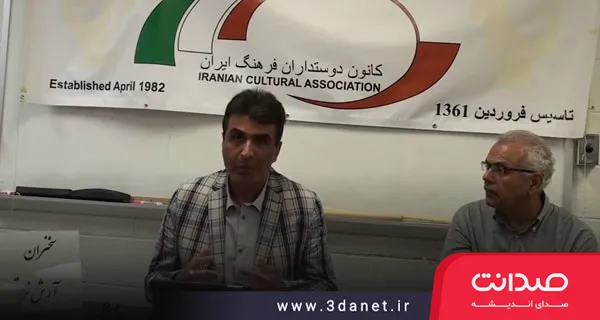
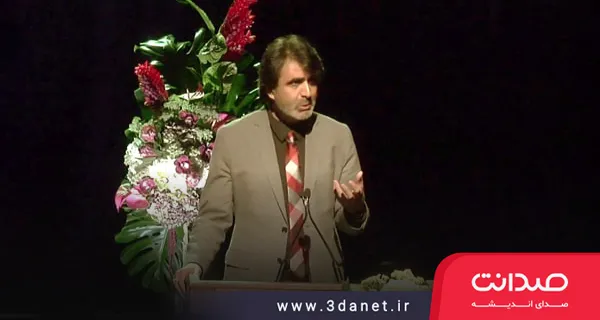
Arash Naraghi's Lecture: 'Martyrdom: The Good Moral Death'
Arash Naraghi defines martyrdom as a 'morally good death'—self-harm for the sake of others' good. Distinguishing it from suicide and terror, he reads the moral dimension of Husayn ibn Ali's martyrdom as more salient than its mystical one.
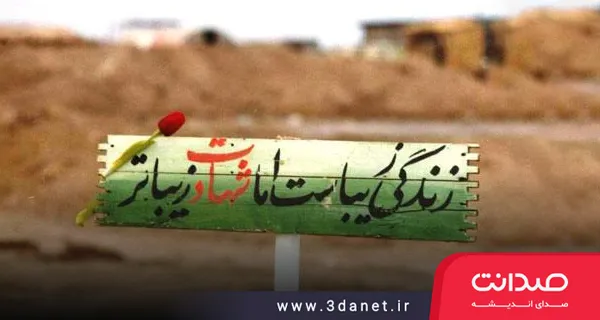
In this lecture, Dr. Arash Naraghi, after stating the three types of death—namely: the process that leads to death, the event that causes death, and the state after death—points to several kinds of good death, such as: mystical death, in the light of which life finds new meaning; philosophical death, meaning the ability to transcend the limitations of the sensory world; political death, meaning giving one's life for an ideology and political belief; and religious death, meaning living according to God's commands and prohibitions.
He then arrives at moral death as one of the instances of a good death, which "is revealed in the figure of the moral saint, that is, someone who, in order to realize virtues and especially to establish justice and bring good to others, prioritizes the good of others over their own interests and those of their loved ones, and if they lose their life in this path, what fear..."
To provide examples of a good death in other cultures, he cites the story of Abraham sacrificing his son, which is a good mystical death in the tradition of Abrahamic religions, and points to the example of Socrates' death in ancient Greek culture as a good moral death.
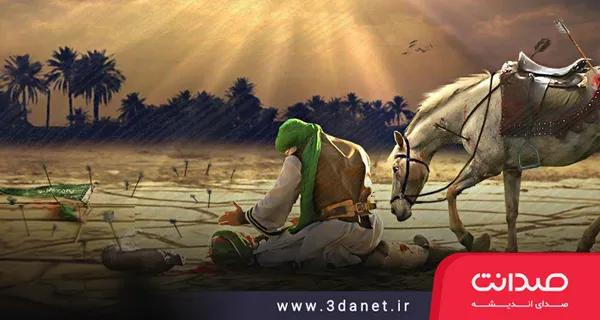
In Arash Naraghi's view, in the martyrdom of Hussein ibn Ali, there were elements of both mystical and moral death, but its moral aspect is more prominent.
Among the other interesting points of this lecture is the distinction Arash Naraghi makes between suicide, terror, and martyrdom. In his view, suicide is an act of harming oneself for one's own interests or to avert harm from oneself; terror is harming others for the interests and good of oneself and one's own group; but martyrdom is harming oneself for the interests and good of others. The moral saint inflicts great harm upon themselves in the hope of bringing great good to others.
.
.
Lecture: Martyrdom; The Good Moral Death by Arash Naraghi
Full audio of the lecture from Server One | Server Two
Washington, December 18, 2010 | 89/9/27
.
.


Discussion1 comments
اخلاق را نمیتوان ونباید به جای خدا پرستید.بگذریم از اینکه مدعیان اخلاق تا چه حد وبا چه پشتوانه نظری و چه تضمین عملی آنرا رعایت می کنند.