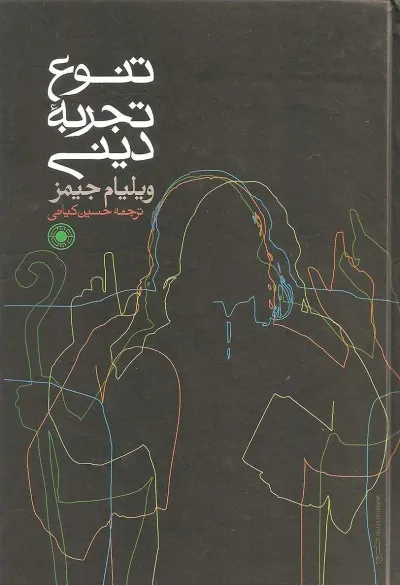
Why this book?
- It is one of the classic and influential texts in the psychology of religion and philosophy of religion.
- It examines religion from the perspective of lived experience and the psychological states of the religious individual.
- It clarifies the difference between the religion of the healthy-minded and the religious experience of those with a 'sick soul.'
- Through abundant examples and documentation, it analyzes conversion, saintliness, and mystical experience.
- It is useful for understanding William James's pragmatic view on the value and consequences of religious experience.
About the book
The Varieties of Religious Experience is one of William James's classic works, situated at the intersection of psychology, philosophy, and religious studies. In this work, rather than studying religion primarily through institutions, rituals, or official theology, James turns his attention to the feelings, states, and individual experiences of the religious person. His central question is how religion manifests in the inner life of human beings and what effects and outcomes it brings.
James begins the discussion with the relationship between religion and psychological and neurological states, then moves on to the definition of religion and the different forms of religious experience. One of the book's most important distinctions is its examination of two types of religious attitude: the experience of the healthy-minded and the experience of those who confront the world with suffering, anxiety, guilt, and a kind of 'sick soul.' Subsequently, conversion or inner transformation, saintliness, asceticism, charity, and mystical experience become the main topics of his discussion.