Why this book?
- A classic detective story with a compelling narrative structure and subtle clues
- Combines the crime genre with philosophical discussions on free will and moral judgment
- A compassionate and human view of marginalized women and social victims
- Raises fundamental questions about reason, madness, and the relativity of ethics
- Recommended for readers of contemporary Iranian literature and social critique
About the book
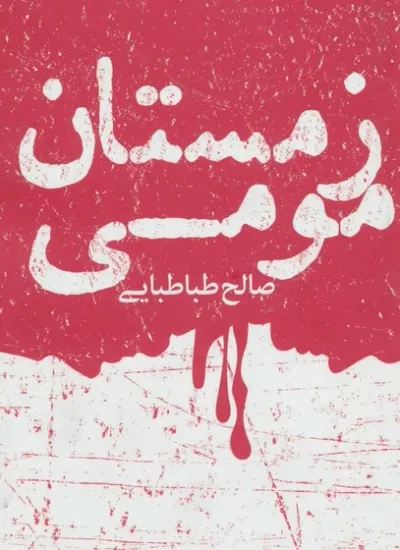
Waxen Winter is a novel by Saleh Tabatabai that appears on the surface as a classic detective-mystery story. The plot begins with the discovery of the body of a woman named Kokab on the outskirts of the city; her body shows traces of molten wax, and Colonel Pahlavan is assigned to the case. It gradually becomes clear that this murder is part of a series of similar killings of prostitutes.
What sets this novel apart from ordinary crime stories are its philosophical, ethical, and psychological layers. Alongside solving the mystery, the author addresses questions about the nature of guilt, the relativity of reason and madness, free will versus determinism, and the nature of moral judgment. Conversations between the colonel and a psychologist named Dr. Radmanesh bring up discussions of Foucault’s legacy on madness, consequentialist ethics, and even a rereading of the Rostam and Sohrab story.
The book’s compassionate view of all characters — from the victims to the killer and the officers — and its precise depiction of the social conditions of marginalized women make it more than mere entertainment. Waxen Winter is a thought-provoking read for those interested in crime literature with philosophical depth and social critique.