Literature
The Novelty of an Old Genre: A Review of Saleh Tabatabai's Novel Wax Winter
Saleh Tabatabai's novel The Wax Winter, while wearing the guise of a detective story, moves beyond solving a puzzle to explore the roots of crime and social deviance. With an empathetic gaze toward its characters and a probing of the philosophical and psychological dimensions of transgression, the work transcends the clichés of the genre.
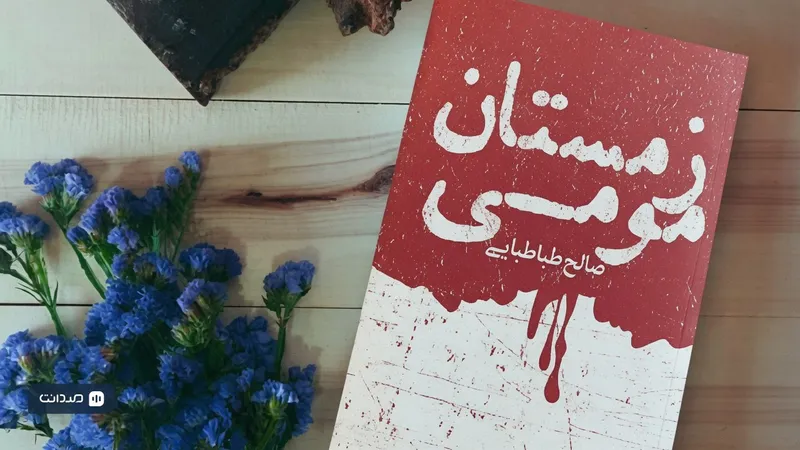
I have read Wax Winter twice. The author gave me the pre-publication version before the book was released, and I read the novel again after its publication for its review session at Shahr-e Ketab Pasdaran in early June of this year. On both occasions I truly enjoyed it, especially the second time, because the enigma hidden in this detective-genre story had already been solved for me, and I could now contemplate the non-mystery aspects of the story. It is often said that the best way to study a good story or watch a noteworthy film is to read or watch it at least twice. The first time, we are usually caught up in the plot and eager to know the story's end and the fate of its characters, and the subtleties of the work may well remain hidden from us due to our excessive focus on the plot; but the second time, we find the opportunity to dwell more on the work's finer details.
Saleh Tabatabai's work in Wax Winter has two aspects: on the one hand, it is a story that, on its surface, is a mystery or detective story, but, on the other hand, it pursues another line of thought parallel to the narrative course of that same mystery story, and it is this second line I wish to speak more about here. Regarding the first aspect, that is, the narrative of the detective-mystery story itself, I must say that Tabatabai's work is not particularly innovative. Although contemporary Iranian literature has been more or less indifferent to the genre of detective and mystery stories, in world literature, such a genre has been sufficiently cultivated and prominent examples of it have emerged. In this respect, I must say that innovation, in the strict sense of the word, has not occurred in this aspect of the story Wax Winter. We are faced with a classic detective-mystery story that, as it happens, has its roots in the long-standing tradition of this literary genre from the nineteenth and early twentieth centuries. The detective-mystery genre has traversed a very long path, and today in postmodern literature, this genre has acquired characteristics different from what we see in Wax Winter. Here we read the story of an officer from the criminal investigation department who, at the story's outset, is faced with the case of a murdered woman whose body has been dumped at a garbage disposal site outside the city, while a part of her body has been coated with molten candle wax either before or after death (the title Wax Winter comes from this, as the entire affair takes place in winter. Of course, this title also acquires other metaphorical meanings in the story.) This officer, whose name is Colonel Farrokh Pahlavan, is seeking to solve the mystery of this murder, but, in keeping with the tradition of serial killer detective stories, he soon realizes this is not the last murder of its kind, but rather the beginning of a chain of similar murders in which all the victims are chosen from among the prostitutes living in a specific area on the outskirts of the city. As we expect, Colonel Pahlavan ultimately solves the mystery of these serial murders and identifies the killer, and seemingly everything ends well. It is not inappropriate here to continue my discussion by quoting a portion of the story's concluding passages:
"Katayoun closed her eyes for a moment; then she opened the envelope and read slowly and deliberately:
The day of separation and the night of parting from the beloved finally ended / I cast this omen and the star and the matter passed, finally ended
All that coyness and luxury that autumn was decreeing / Ultimately, at the step of the spring breeze, finally ended
.....
I still cannot believe, from the faithlessness of the days / The tale of sorrow that in the reign of the beloved, finally ended
Farrokh smiled and looked at the snow that was melting under the sunlight like a candle; he thought to himself: The warmth of spring's arrival is melting the wax winter." (p. 268)
اما جنبه دوم و بسیار مهمتر زمستان مومی این است که داستان به شناسایی قاتل و افشای انگیزههای قتل بسنده نمیکند. برای روشنشدن موضوع باید به این نکته توجه داشت که مشکل بزرگ داستانهای معمایی-پلیسی
«... قرار گرفتن جنون در برابر عقل نه جنون را از هر اعتباری ساقط میکنه و نه عقل رو در منزلت مطلقی جا میده ... عقلانیت از طرفی پدیدهای تاریخی-اجتماعیه که در طول ادوار مختلف رفتهرفته شکل کنونیش رو پیدا کرده و از طرف دیگه تا حدی جنبه آماری داره. خیلی چیزهایی که ما امروز اونها رو از بدیهیترین امور معقول میدونیم زمانی این طور به نظر نمیرسیدن. حق رأی زنان توی همین اروپای متمدن تا چندین دهه پیش از این در نظر بیشتر مردم و حتی بخش وسیعی از جامعه زنان امر معقولی شمرده نمیشد. مردمسالاری، که امروز به نظر اکثر مردم بدیهیترین و معقولترین شیوه اداره کشورهاست، در نظر بیشتر مردم قرون وسطا یاوهای بیش نبود. اگه بخوام فهرستی از این امور "معقول" که نابخردانه یا غیرمعقول شمرده میشدن ذکر کنم، سیاهه بلندبالایی میشه» (صص 60-61).
آنگاه چند سطر بعد درباره «جنون» همچون پدیدهای تاریخی- فرهنگی میگوید:
«حتی کلماتی چون "مجنون" یا "دیوانه" نشانههایی از سیر تاریخی معنای جنون را حفظ کردن. در عربی، مجنون به معنای جنزده و، در فارسی، دیوانه به معنای دیوگونه یا دیوزده است... سالیان درازی، در نظر مردم دیوانگی دیوگونگی شمرده میشد، تنها به این دلیل که اندیشه و کردار دیوانگان با منطق عقلانی حاکم بر جامعه سازگار نبود... معلوم نیست هر اونچه منطق عقل به ما میگه از اعتبار مطلق برخوردار باشه. در مقابل، چه بسا دیوانگی منطق خاصِّ خودش رو داشته باشه. اراسموس از زبان مرد دیوانه کتابش میگه: "چه کسی جز اونی که احتمالاً منو بهتر از خودم بشناسه میتونه اندیشه و رفتارم رو بهتر از خودم توضیح بده؟" و این معناش همینه که دیوانگی منطقی داره که معمولاً عاقلان ازش سر درنمیآرن... از قضا، بسیار دیدیم که بعضی از نواندیشان در عصور مختلف دیوانه و نابهنجار خونده شدن تنها به این دلیل که جامعه معاصرشون نتونسته بود منطق نهفته در اندیشه یا کردار اونها رو بفهمه یا بپذیره» (صص61-62).
در ادامه، ترجمه فارسی شیوایی از شعری از امیلی دیکینسن، شاعره نامور امریکایی، ذکر میکند که همین مفهوم را در قالب نظم بیان کرده است: «جنون، چون فزونی گیرد،/ آسمانیترین خِرَد است/ در نظر هوشیار./ و عقل چون افزون شود،/ سختترین دیوانگی./ این اکثریت است که/ در اینجا حکم میراند./ همنوای جماعت باش/ تا عاقلت دانند./ ساز مخالف بزن/ تا بیدرنگ خطرناکت خوانند/ و به زنجیرت کشند» (صص 62-63). بدین ترتیب، فرهنگمداری و تاریخمندیِ "عقلانیت" و "جنون" بهزیبایی تبیین شده است. همین موضوع، بار دیگر در فصل پایانی کتاب، در گفتوگوی میان سرهنگ پهلوان و قاتل به صورت دیگری بیان شده است: «اما عقل آدم ترازوی ثابتی نیست که در آسمون مدرّج شده باشه و براش فرستاده باشن... عقل آدم جوری کار میکنه که باهاش زاده شده و چیزی رو عقلانی میدونه که جامعه و محیط عقلانیش بخونه» (ص232).
در ملاقات دوم سرهنگ پهلوان با خانم دکتر رادمنش، که در داروخانهای اتفاق میافتد، چند بحث مهم دیگر پیش کشیده میشود (صص102-111): موضوع نتیجهمحوری در اخلاق(Consequentialism) که به موجب آن، هدف وسیله را توجیه میکند در قالب بحث درباره اسطوره رستم و سهراب پیش کشیده میشود؛ به بیان دیگر، دو بار خدعه یا کتمان حقیقت از سوی رستم و، در مقابل، سلوک جوانمردانه سهراب در برابر پهلوان پیشکسوت به بحث گذاشته میشود؛ این میتواند هم نمونه زیبایی از نقد ادبی باشد و هم بحثی اخلاقی که در این بخش از رمان جا داده شده است تا در نهایت، نشان دهد که کل این داستان را میتوان در قالب کهنالگوی رستموسهراب بازخوانی کرد. در واقع، داستان رستم و سهراب قرارست ما را کمک کند تا درک دقیقتری از روابط عناصر دخیل در پیرنگ این داستان پیدا کنیم، چنانکه در فصل آخر در ملاقات سوم سرهنگ پهلوان با دکتر رادمنش بار دیگر به این موضوع بازمیگردیم: «حالا میتونم بهقطع بگم که روش رستم رو بیشتر میپسندم. در این نبرد، ناپهلوانیِ رستم خیلی بزرگتر از پهلوانی سهراب بود: او برای برقرارموندن آیین پهلوانی و جوونمردی در کشورش حاضر شد ناجوونمردانه از پسر عزیزش دست بکشه...» (ص261). بهنظر میرسد که بحث اخلاق و دوراهههای اخلاقی در سراسر رمان زمستان مومی موج میزند، چنانکه امروزه اخلاق در همه جا مطرح است، حتی در علوم تجربی (اخلاق پزشکی، اخلاق مهندسی و...). بحث مهم دیگر در دیدار دوم موضوع نظریهپردازی است: جایگاه نظریهها در عمل و در زندگی روزمره چیست؟ آیا بدون نظریه اصلاً میتوان زیست؟
Apart from these fundamental considerations, in not a few instances we also find other fleeting yet important observations in the book, one of which I will mention: the author, who sometimes appears as an independent narrator (Wax Winter is, in fact, narrated by three narrators: an omniscient narrator, the author, and a seemingly anonymous first-person narrator), writes about "maternal love" using the technique of metafiction:
"As a male writer, I have always regarded maternal love as a strange enigma. I wonder whether a universal biological truth, which must be sought in the nature of the female sex, lies behind it, or whether it is merely a cultural-human phenomenon, based on a peculiarly feminine sense of ownership. If the female sex, by its very nature and by virtue of becoming a mother, expresses such a unique feeling, why are there some mothers who seem not to possess the slightest trace of this feeling? And if maternal love has a cultural-human basis and rests upon a woman's sense of ownership over what she has nurtured within herself, why do we see manifestations of such a feeling even in the females of most higher animals?..." (p. 254).
In literary criticism, this is the equivalent of the "nature versus nurture" debate, which is presented here in a literary manner and beautifully articulated. The interesting point is that the book expresses the reasons on both sides of this debate well and invites the reader to reflect upon such questions, which can be called fundamental ethical questions.
The thread that ties all the elements of the novel Wax Winter together in an organic combination and gives it coherence is the theme of "moral judgment," which appears throughout the story: when we cannot put ourselves in others' shoes, how can we judge the goodness or badness of their actions correctly or accurately? Is a moral verdict a definitive and absolute matter, or is it relative and conditional? Every murderer allows himself to apply the highest degree of judgment upon his victim and carry out the harshest sentence against them. It seems the criminal theme of the story was chosen precisely to call this rigid view of judgment into question:
- Perhaps the factors and motives for committing a crime like murder, especially first-degree murder, vary, but there is a single truth that holds true for each and every one of these murders: the murderer considers their goal or motive for the crime to be more important or nobler than the sanctity of another human being's life or the lives of other human beings. So, either they exaggerate the importance of their goal or motive excessively, or they make their victim's life seem excessively insignificant and worthless in their own eyes, or both...
- But it is not always exactly like that; when someone, with a seemingly sacred motive, such as cleansing society of the existence of those they consider the cause of society's corruption, sets out to eliminate them, in their own mind, they place greater value on the life of the community... They probably consider themselves a reformer, not a self-interested murderer.
- As it happens, this too is a kind of self-interest, but collective self-interest, not individual, a different interpretation of the utilitarian theory which says a moral act is one that provides the greatest pleasure or happiness for the greatest number of people. Raskolnikov, the main character of Dostoevsky's Crime and Punishment, resorts to this very ploy... (pp. 111-112).
In fact, the murderer in the story of Wax Winter also has a seemingly pure motive for their murders, just as each of us may, in our lives, harm others with seemingly justified reasons. The story questions the certainty of such reasons. Another leitmotif in Wax Winter is the issue of "free will," or the age-old debate of determinism versus free will, which we encounter throughout the story, especially in the final chapter, where, in the confrontation between the colonel and the murderer, this debate openly erupts between the two parties:
“When an infant is born of a wicked father and a vicious mother, how much freedom did that poor child have in inheriting its hereditary traits from its parents? When that mother, on a cold winter’s day, wraps her unwanted newborn in a swaddling cloth, places it in the corner of a mosque’s sanctuary, and goes about her business, how much choice was given to that child as to where it would be raised? When a couple adopts the infant, what choice was given to that voiceless child in selecting its stepfather and stepmother? How much freedom of choice did it have that they might look at it differently in their home, call it by a different name, or raise it differently?... Now let me ask you: can you say how much freedom and choice this person had not to commit sin?” (pp. 229-230)
Here, over the course of roughly seven pages, we encounter a heated and tense debate on “free will,” which appears to be the culmination of everything said on this subject throughout the book. The author allows both sides of this major discussion to present their arguments, but, at least on the surface, he does not seem to have taken either side himself.
In closing, I must say that Wax Winter is an exceptionally gripping work of fiction because it leads the reader step by step along the path to solving this mystery, never leaving them to their own devices for a moment, and, with the utmost subtlety, places in the reader’s hands the threads that, in later sections of the story, lead to specific ends. Anton Chekhov advised that if a gun is hung on the wall in the first act, it must be used in the subsequent acts; this dramatic advice of Chekhov’s is well applied in Wax Winter, for instance, when in the first chapter a little girl sells a packet of Hafez fortune-telling cards to the colonel, and in the final chapter this packet is opened and the fortune is read. The book’s deeply empathetic approach to the lives of social outcasts is immensely affecting, such that few readers could fail to be deeply moved by certain passages. A final point is that the proliferation of characters—used in many crime stories as a technique to conceal the identity of the murderer—is not seen in Wax Winter, perhaps because what is of primary importance in this readable novel is the scrutiny of the motives for the murders and the related philosophical, ethical, and psychological discussions. Saleh Tabatabai’s Wax Winter, within the framework of classic genre conventions, narrates a highly suspenseful story with unconventional and novel questions.
.
.
PDF file of this article in Etemad newspaper
.
.
The Novelty of an Old Genre
A Review of the Novel “Wax Winter” by Saleh Tabatabai
Amir Ali Nojoumian (Literary Critic and Associate Professor of English Literature and Literary Theory, Shahid Beheshti University)
.
.





Discussion16 comments
"زمستان مومی" رمانی بسیار خواندنی و در عین حال عمیق و ژرف است.
رمان بسیار گیرا و پرمحتوا و عمیق زمستان مومی را به همه ادب دوستان و شیفتگان ادبیات داستانی پیشنهاد می کنم. به یاد ندارم که در یکی دو دهه پیش چنین اثر تاثیرگذاری را خوانده باشم
تجربه خواندن رمان تجربه دلچسبی می تواند باشد، ولی مدتها بود که از خواندن رمان فارسی لذت نبرده بودم تا آنکه "زمستان مومی" را خواندم و به جای همه آن خواندن های عاری از لذت تا جایی که می شد لذت بردم. خیلی خیلی ممنونم
قدر این اثر ماندنی ادبیات فارسی هنوز ناشناخته مونده. جا داره منتقدان ادبی باز در موردش نقد بنویسن. نقد آقای دکتر نجومیان خوب بود ولی همه ریزه کاری های این اثر مهم را نشون نداده.
زمستان مومی رمان خوندنی و جذابیه. در این زمونه ای که کمتر از این دست کتابها منتشر می شه خوندنش برام غنیمت بود. از نویسنده متشکرم.
من این کتاب را شروع به خواندن کردم، بخاطر مشغولیت، حدود دو ماه طول کشید که به اتمام برسانم. ولی طولانی شدن زمان مطالعه کتاب باعث نشد دلسرد بشم. مسایل روانشناسی و اخلاقی و فلسفی و هنری (خصوصا تحلیل نقاشی ونگوگ)رو به خوبی و سادگی و هنرمندانه مطرح کرد. آری این کتاب را میتوان چندین بار خواند و لذت برد.
با جناب عالی موافقم. من هم این رمان را درخور چندبار خواندن می دانم، هرچند که من کتاب را سه روزه تمام کردم. چنان که به درستی گفتید مباحث روان شناسانه و فلسفی و اخلاقی آن چنان ژرفنگرانه و در عین حال سرراست و جالب مطرح شده اند که می توان زمستان مومی را چند بار خواند و باز از خواندنش لذت برد.
عالیه. خیلی ممنون
زمستان مومی نوشته ی صالح طباطبایی اثر مهمی در رمان فارسی معاصر است. نباید مانند بسیاری از آثار بازاری و متاسفانه بی ارزش این روزها بی تفاوت از کنار این اثر برجسته گذشت. امیدی به ناظران فرهنگی نیست ولی فرهیختگان و ادب دوستان کشورمان آن را نادیده نمی گیرند. از صدانت برای بازتاب این اثر باید تشکر کرد.
از صدانت برای معرفی رمان مهم "زمستان مومی" سپاسگزاری می کنم.
این نقد خواندنی را می توان سرمشقی در نقدنگاری دانست. نقدی عالمانه بر یکی از مطرح ترین آثار داستانی معاصر. دست مریزاد
سلام. رمان زمستان مومی را خوندم و خیلی لذت بردم. نقد آقای دکتر نجومیان هم درباره این رمان خوب است ولی فقط به بعضی از خصوصیات برجسته این رمان اشاره کرده و از جنبه های ادبی و تکنیکی اثر غفلت کرده است.
این روزهای برگزاری نمایشگاه کتاب تهران بهترین فرصت برای دستیابی آسان به کتاب بسیار ارزشمند زمستان مومی است. سه بار آن را از آغاز تا انجام خوانده ام ولی هنوز از خواندنش ملول نشده ام.
زمستان مومی را بسیار خواندنی و جذاب، ژرف و اندیشمندانه، خوش خوان و هنرمندانه و در یک کلام، در سطحی فراتر از انتظار یافتم. به نویسندۀ خوش فکر و خوش قلم آن تبریک می گویم و چشم به راه کارهای تازه اش می نشینم. از این نقد جامع و خوب نیز بهره بردم. با سپاس
زمستان مومی رمانی خواندنی و ژرف اندیشانه ای است، ولی در عین حال فنی و ادیبانه است. خواندن آن برایم تجربۀ نو و متفاوتی بود که هنوز مزه مزه اش می کنم. دکتر نجومیان نقد بسیار خوبی بر آن نوشته است. با سپاس از جناب ایرانمنش گرامی برای درج آن در صدانت. ارادتمندم
نقد بسیار فنی و عالمانه ای دربارۀ"زمستان مومی" اثر داستانی متفاوت و ارزشمند صالح طباطبایی بود. از ناقد و نویسندۀ کتاب تشکر می کنم و از صدانت برای انعکاس آن.