Why this book?
- To read one of the most influential and controversial novels of twentieth-century literature.
- To experience a harsh, colloquial, and innovative language in the modern novel.
- To understand an antiwar image of the ordinary human being facing violence and absurdity.
- For readers interested in dark literature, antiheroes, and ruthless portraits of society.
- To encounter a work that breaks the boundary between autobiography, fiction, and social criticism.
About the book
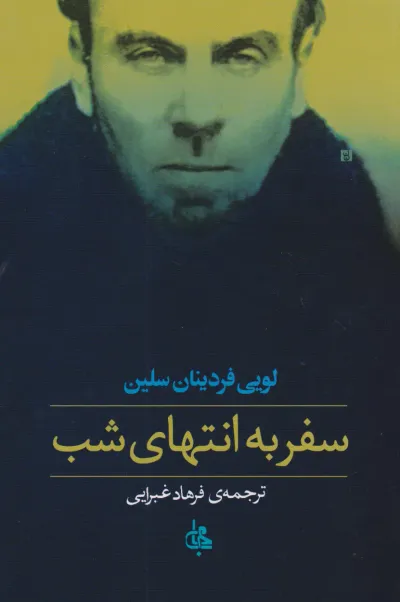
Journey to the End of the Night is Louis-Ferdinand Céline’s first novel, published in ۱۹۳۲, and it quickly established his place in modern French literature. The novel tells the story of Ferdinand Bardamu, a bitter, angry, and disillusioned doctor whose journey begins with World War I and leads him through encounters with various forms of violence, poverty, colonialism, the modern city, and the banality of social life.
The book’s importance lies not only in its antiwar subject or dark atmosphere, but also in its language and narrative form. By breaking with formal language and bringing literary prose close to street speech, Céline gave the French novel a new tone. This language is full of anger, black humor, irony, and nervous ruptures, turning the world of the novel into a vivid and at times disturbing experience.
Bardamu is an antihero who has distanced himself from grand illusions about war, nation, progress, and official morality. He is neither a pure redeemed hero nor merely a victim, but a human being filled with fear, hatred, the will to survive, and a ruthless gaze at the world. This harsh honesty has made the novel one of the major works of modern literature on absurdity, loneliness, and human exhaustion.