Foreign thinker
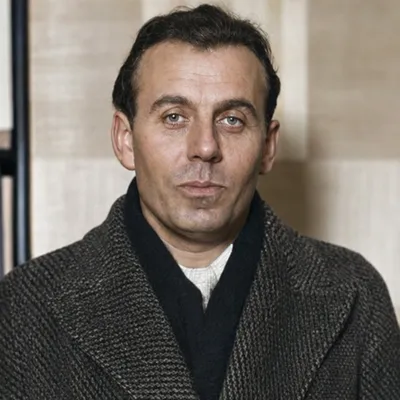
Louis-Ferdinand Céline
Louis-Ferdinand CélineFiction, Novel Writing, and NihilismFrench
Traveling is searching for something that does not exist; but perhaps it is the only way to endure what does exist.
Life and Thought
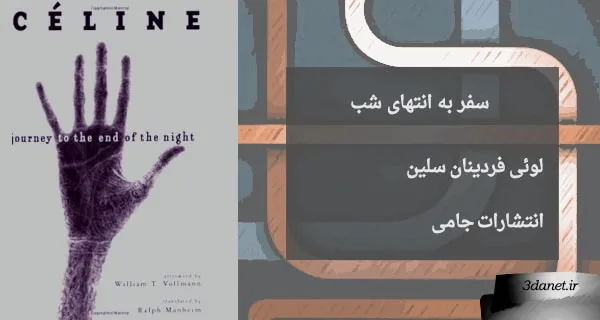
Louis-Ferdinand Céline was a prominent French writer and physician who, with his blunt tone, subversive colloquial language, and pessimistic worldview, created a massive revolution in twentieth-century fiction. His famous novel Journey to the End of the Night is considered one of the most important masterpieces of modern literature.
Louis-Ferdinand Destouches, known as "Céline" (1894–1961), was a French novelist and physician. He served as a soldier in World War I and suffered severe physical and psychological injuries; an exceedingly bitter experience that shaped his view of humanity, war, and the darkness of human existence for the rest of his life.
With the publication of his first novel, Journey to the End of the Night (1932), Céline brought about a fundamental transformation in literary writing style. He abandoned the formal, academic language of French literature and, by employing colloquial speech, slang expressions, a distinctive staccato rhythm, and black humor, presented a naked and merciless portrait of the absurdity, poverty, war, and corruption of modern society. His other major work, Death on the Installment Plan, continued this stylistic path and pessimistic view of human life.
In addition to his lofty literary standing, Céline's political positions, the publication of virulent anti-Semitic pamphlets on the eve of World War II, and his collaboration with the Vichy regime entangled his life in post-war controversies and exile. Nevertheless, the influence of his audacious writing style and literary impact on major writers such as Samuel Beckett, Jean Genet, Albert Camus, and the Beat Generation writers is undeniable.