Why this book?
- To encounter one of literature's most candid narratives about death and the anxiety it provokes.
- To reflect on the question of how social success relates to a truly good life.
- To follow Ivan's transformation from denial and terror of death to a re-examination of his way of living.
- To see the connection between the contemplation of death, ethics, empathy, and the meaning of life in Tolstoy's thought.
- To read a short work that embeds social critique and philosophical reflection within a simple and compact story.
About the book
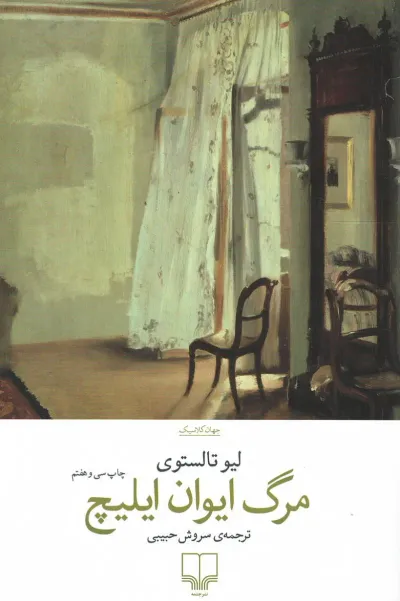
"The Death of Ivan Ilyich" is a short novel by Leo Tolstoy, published in 1886. The story begins as Ivan Ilyich's colleagues, a successful judge and civil servant in the judicial system, hear the news of his death. The cold, self-interested reactions of those around him reveal one of the work's main themes from the very start: the distance between seemingly respectable social relations and genuine human connection.
Tolstoy then goes back in time and narrates Ivan's life; the life of a man who has followed the path of education, marriage, career advancement, gaining prestige, and enjoying a home and social standing according to conventional standards. Everything seems acceptable until illness and the possibility of death enter his life. What others consider the natural fate of every human being is unbelievable to Ivan: he knows that humans die, but he cannot accept that this decree applies to "himself" as well.
The illness gradually invalidates all the standards upon which Ivan had built his life. His official rank, his well-appointed house, his social engagements, and even many of his family relationships cannot alleviate his suffering. It is in this solitude that a terrifying question forms in his mind: "What if my whole life has indeed been wrong?" For Ivan, the confrontation with death turns into a trial of life itself.