Why this book?
- It shows the contrast between outward faith and ethical action at the heart of a gripping story.
- It brings the issue of helping refugees and human responsibility for the suffering of others to the center of the narrative.
- It uses the reenactment of Christ's Passion to critique power, self-interest, and social relations.
- The transformation of Manolios from an actor playing Christ into a person grappling with the demands of that very role is the novel's compelling core.
- It links the historical setting of Greek society under Ottoman rule with ethical and religious questions.
About the book
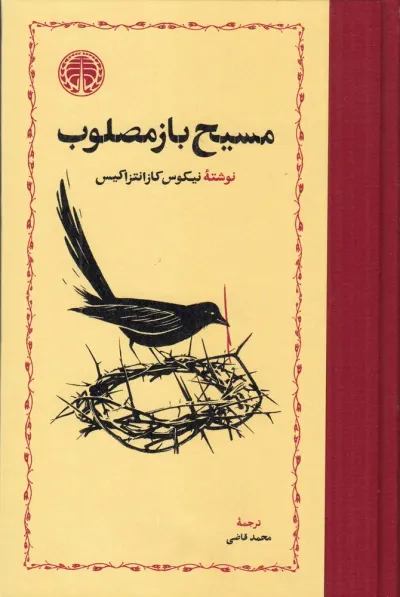
Christ Recrucified is a novel by Nikos Kazantzakis set in the fictional village of Lycovrissi in Anatolia under Ottoman rule. Following a periodic tradition, the villagers decide to stage a Passion play, and the village elders assign the main roles among the people. Manolios, a young and humble shepherd, is chosen to play Christ, while several other villagers take on the roles of the Apostles, Judas, and Mary Magdalene.
What begins merely as preparation for a religious performance gradually enters the characters' real lives. The story's turning point comes when a group of refugees, driven from their homes, arrive in the village and ask the inhabitants for help. Now, those who are supposed to enact the story of Christ and his teachings must decide in real life how to treat these hungry and shelterless people.
Kazantzakis uses this situation to explore the conflict between the form and the truth of faith. The characters are no longer just actors; the roles they have accepted slowly begin to affect their behavior and destiny. Manolios, more than the others, confronts the meaning of the role he has undertaken and experiences the gap between representing Christ's suffering and practically accepting its ethical consequences.