Why this book?
- To encounter a classic formulation of pragmatism directly in William James’s own words.
- To understand the idea that the meaning of an idea can be assessed through the difference it makes in experience and action.
- To follow James’s account of truth and its relation to human experience.
- To see the pragmatic method applied to metaphysical and religious questions, as well as to the problem of unity and plurality.
- To understand James’s place in the formation of one of the most influential currents in American philosophy.
About the book
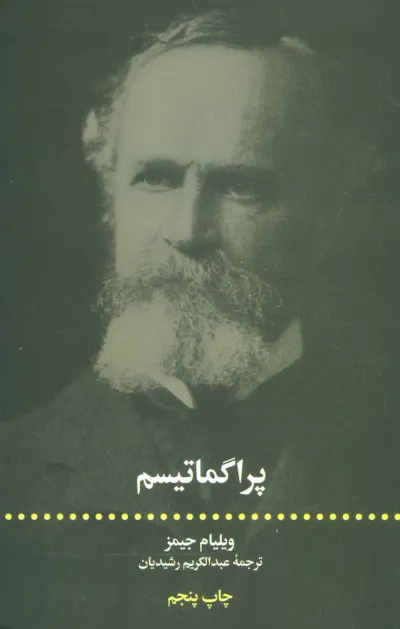
Pragmatism is a collection of William James’s lectures, first published in 1907. In this book, James seeks to present an overall picture of the pragmatic movement and to show that pragmatism is, before anything else, a method for clarifying the meaning of philosophical disputes. The lectures were delivered in Boston and at Columbia University in 1906 and 1907.
The discussion begins with enduring philosophical oppositions, including the contrast between rationalism and empiricism. James then explains the meaning of the pragmatic method and applies it to such topics as metaphysical questions, unity and plurality, common sense, truth, humanism, and religion. The book’s eight-part structure allows the reader to move gradually from an introduction to the problem toward its wider implications.
One of the book’s most important sections concerns the pragmatic conception of truth. James attempts not to separate truth from the world of lived experience, examining the role of true beliefs in guiding experience rather than treating truth as a concept wholly detached from practice. This approach has made his account of truth both influential and controversial.