Why this book?
- It follows the narrative of an artist's character formation from childhood to intellectual and emotional maturity.
- It makes music an essential part of the narrative, characterization, and Christophe's life experience.
- It portrays the confrontation of an independent individual with hypocrisy, social pressure, and cultural compromises.
- It reflects Romain Rolland's humanistic and pacifist perspective within the context of Franco-German relations.
- It offers a contemplative experience for enthusiasts of long, character-driven, and psychological novels.
About the book
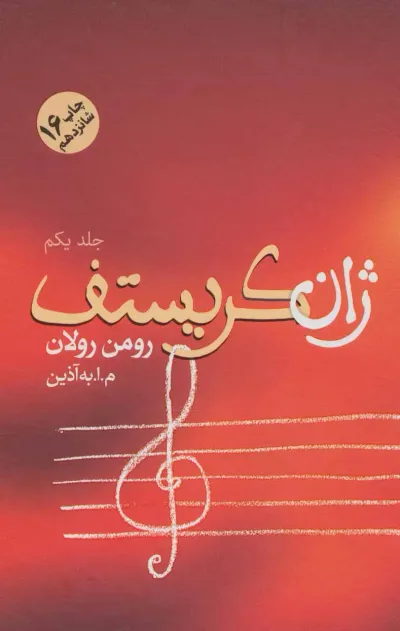
"Jean-Christophe" is Romain Rolland's long novel about the life of a German musician who is raised with music from childhood and, on his path to growth, confronts poverty, love, loneliness, family conflicts, and social pressures. Instead of merely narrating a series of events, Rolland dedicates a significant part of the novel to the gradual formation of Christophe's character, emotions, and intellectual world.
Music in this novel is not merely the hero's profession; it is present in the very fabric of his life. Through music, Christophe experiences love, suffering, freedom, and the need for truth. His intellectual independence and uncompromising nature also repeatedly bring him into conflict with his surroundings, to the point where, after a clash with the police, he leaves Germany and goes to France.
While narrating an individual's story, the novel also provides a backdrop for exploring the intellectual and cultural atmosphere of Europe in its time. The contrast and connection between German and French culture, the issue of war and peace, the artist's place in society, and the struggle between truth-seeking and expediency are among its important themes. From this perspective, Jean-Christophe has a direct link to Romain Rolland's humanistic and pacifist tendencies.