Religion
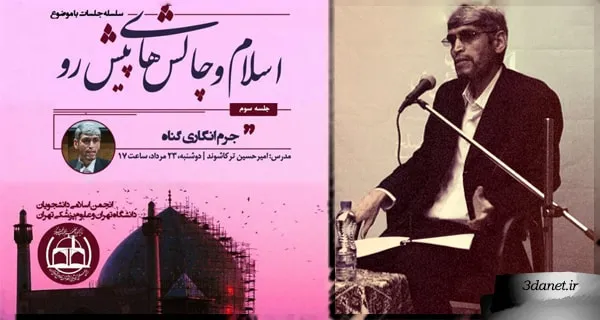
Collected Writings of Amirhossein Torkashvand: “The Age of Noah, an Intra-Religious Re-examination”
Noah's 950-year lifespan reveals numerous historical contradictions, from being a contemporary of Abraham to Cyrus. This intra-religious essay examines the theory of Noah as a dynastic title through the lens of Fooladvand's views.
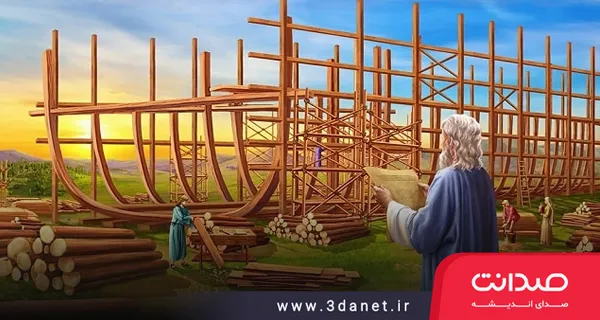
The Age of Noah, an Intra-Religious Re-examination [1]
Amirhossein Torkashvand
Introduction
The 2,500-year lifespan of Noah!?
(From Cyrus to the present)
In the reports that have reached us, the lifespan of Noah is reported variously: 950 years, 1,050 years, 1,450 years, 1,780 years, 2,300 years, 2,450 years, 2,500 years, 2,800 years, 3,000 years. The most famous account in this regard assigns him a lifespan of two thousand five hundred years, as follows:
850 years before his prophethood and mission
950 years during his mission
200 years for building the Ark
500 years after the Flood event
Has the time not come to distance ourselves from the "devotional and silent gaze" upon religious heritage (which is a mixture of correct and incorrect interpretations as well as a mass of forged and authentic narrations) and, using our God-given capacities, replace it with a "scholarly gaze"?
Do you know what consequences accepting a 2,500-year age for Noah entails? Let us review a few cases together, and you can extract more yourself:
1- The extension of Noah's life, with an age of 2,500 years, stretches centuries beyond the passing of Abraham! That is, his life not only reached the era of Abraham but he also lived six to seven centuries after his death. Is there any trace of the simultaneous presence of Noah and Abraham?
2- It does not end with Abraham; with that age, Noah also reached the era of Moses and even lived three centuries beyond him.
3- On this basis, if Noah had been born in the time of Cyrus the Great (after whom the seventh of Aban is named today), his lifespan would have extended to our time.
4- With this amount of lifespan, Noah could have been present in one-third of the entire seven-thousand-year history (the total history of humankind based on the Torah and narrations).
5- And if we accept the three-thousand-year lifespan, his life would then extend to two centuries after David and Solomon.
Have you thought about where the 2,500-year and 3,000-year lifespans originated, and how they were added to the 950 years?
If believers had doubted the attribution of the Quranic figure of 950 years to a single person, emerged from the shell of devotion, and undertaken a deeper investigation to understand the text—that is, if they had not easily acquiesced to the 950—then the next day, no one would have allowed themselves to add hundreds upon hundreds to the weight of the numbers, ending up with three thousand.
Part One
Did Noah live 950 years, or even more?
وَلَقَد أرسلنا نوحاً إلی قومه فَلَبِثَ فیهم ألف سنةٍ إلا خمسین عاماً فأخذهم الطوفان و هُم ظالمون
And indeed, We sent Noah to his people, and he remained among them a thousand years less fifty years; and the flood seized them while they were wrongdoers.[2]
Several views and possibilities in the justification of Noah's extraordinary lifespan in the statements of scholars:
1- Noah's very long and extraordinary lifespan is a "miracle" and a special will of God.
Objection and examination:
This miracle is so great and astonishing that if Noah, with this clear, objective, and continuous proof, had even claimed divinity, his people in those primitive eras would have accepted it with heart and soul; but since they did not even accept his prophethood, its occurrence is seriously called into doubt. Also, an objection to this possibility is that if such a tangible and evident miracle had occurred, why did the Quran and Noah himself never hold it up to the opponents or use it to convince his people!?
2- This lifespan was a “normal” lifespan in those centuries, and other people of that era also lived to roughly the same extent.
Objection and Examination:
Although there is abundant support for this view in the Torah and Islamic traditions, and the lifespans of Adam, Noah, and some others are reported as several centuries and even exceeding a thousand years, this view nonetheless requires scientific, historical, and archaeological confirmation for proof and certainty, which it apparently still lacks.
3- The measure and definition of a “year” in those centuries was each single “month” and not twelve months; in other words, their calendar was month-based and not year-based, and consequently, what is meant by 950 years is 950 months, which equals 79 of our present years.
Objection and Examination:
An objection to this view is, among other things, what necessity is there for mentioning a “natural lifespan” of 79 years in the Quran? For this approximate age also holds true for others. Also, the existence of such a basis in the chronology of those periods, where a month stood in place of a year, requires investigation and confirmation.
4- Noah is the “single title” of a noble line of prophets (who, apparently, were engaged generation after generation in the task of building the Ark), and consequently, the figure of 950 years pertains to this entire line and not to a single individual alone.
(The use of a single title for the individuals of a line is a common matter, such as Pharaoh for the line of Pharaohs in Egypt, which is also mentioned in the Quran, or Shah/King for the line of Persian kings, or Emperor and Caesar, etc.).
This interpretation is the view of the late, esteemed Mohammad Mehdi Fouladvand (one of the foremost translators of the Holy Quran into Persian). He says: “Noah was not a single person but a household. Noah the prophet lived 60 to 70 years and was the last person of that household; a household that endured for nearly a thousand years. This household was generally sea carpenters, that is, shipbuilders. It is indeed improbable that a single person would live nine hundred and fifty years.”
Another translator of the Quran, Mohammad Jazayeri, also, citing the plural form of the word “rusul” (messengers) in the following verse, which is about the people of Noah, has reached an inference similar to that of the late Fouladvand and considers Noah to refer to a group of prophets:
And the people of Noah, when they denied the messengers, We drowned them and made them a sign for mankind, and We have prepared for the wrongdoers a painful punishment.[3].
Jazayeri’s explanation in the commentary of the verse: “The explicit expression ‘they denied the messengers’ with the plural form regarding the people of Noah, which is not confined to this single verse in the language of revelation, requires special reflection. At least in this specific expression, it seems that ‘Noah’ in the Quran’s view represents a group or a type of prophets. On this basis, the lifespan of this prophet—when a group of prophets is intended—will no longer be a question-raising issue.” Elsewhere, he also says: “It is not far-fetched that in the Quran, Noah is the name of a type or class of prophets and not an individual among them, who were engaged in calling people before Abraham, and as noted in its place, there are two instances in the Quran of this expression and its like: in verse 105 of Surah Ash-Shu’ara, ‘The people of Noah denied the messengers,’ and verse 37 of Surah Al-Furqan, ‘And the people of Noah, when they denied the messengers.’ And there has never been any doubt that Noah is the first prophet after Adam; therefore, this possibility is not entirely ruled out either.”
Objection and Examination:
For completion, this view requires historical proof confirming the existence of this line and the multiplicity of messengers for that people, as well as confirmation of the existence of a single title for them. For centuries, and indeed millennia, the title and designation of prophets has been “Nabi,” and in more distant times past, they were called “Seer”; was the title “Noah” used even further back than this (and of course, among that specific people) to refer to their type?
Part Two
Two Apparently Differing Reports in the Quranic Verses
What does the Quran say about Noah’s lifespan? Does it report his lifespan as natural, normal, and equivalent to that of other human beings, or does it enumerate it as a miracle, extraordinary, and beyond natural lifespans?
Contrary to popular belief, two different explanations regarding the length of Noah's lifespan can be derived from the apparent meaning of the Quran:
One consists of verses indicating that Noah's lifespan was normal and ordinary
and the other is a verse attributing an age of at least 950 years to him
Here is a brief introduction to those two groups of verses:
1- "Flaunting the 950-year age"
On the one hand, the Quran, in verse 14 of Surah Al-Ankabut, attributes 950 years to Noah:
ولَقَد أرسلنا نوحاً إلی قومه فلَبِثَ فیهم ألف سنةٍ إلا خمسین عاماً (And indeed, We sent Noah to his people, and he remained among them a thousand years minus fifty years; and as they were all wrongdoers and oppressors, they were drowned and destroyed by the flood).
2- "Considering all of Noah's human characteristics as normal and ordinary"
On the other hand, the Quran, on several occasions and with emphasis, both from the tongue of Noah himself and from the tongue of his people (in Surah Hud, verse 27; Surah Ibrahim, verses 10 and 11; Surah Al-Mu'minun, verses 24 and 25), explicitly states that Noah is no different from the people in human respects, and it is abundantly clear that one of the most serious human respects is having ordinary, similar lifespans. Interestingly, in Surah Ibrahim, when Noah conveys his call to his people, they respond by saying, "Come on, you are just like us in every way, so why do you make the baseless claim of being an emissary from an unseen God? If you are truthful, bring a miracle to prove your claim." Noah, in response, confirmed their words and accepted that he was exactly like them in every way and had no human difference from them. The reader will certainly note that if Noah had been, say, 845 years old, he could have responded to the members of his people (who were 20, 35, 40, 55, and at most 70 or 80 years old) when they objected to the truth of his claim, saying he was just like them with no difference and no miracle, by saying: "No, by God's grace and miracle, I have one extraordinarily fundamental difference from you: unlike you and your ancestors, who all died and continue to die at the age of sixty or seventy, I have been kept alive from thirty or forty generations before you to be a clear proof for the truth of my claim." In fact, with this very age, he could have silenced everyone. But not only did he not make such an argument, he openly confirmed their words and emphasized the correspondence of his human characteristics with theirs.
(... قالوا إن انتم إلا بشرٌ مثلنا تریدون أن تصدّونا عمّا کان یعبد آباؤنا فأتونا بسلطانٍ مبینٍ. قالت لهم رسلهم إن نحن إلا بشرٌ مثلکم ...)[4]
(فقال المَلَأ الذین کفروا مِن قومه ما نراک إلا بشراً مثلنا.[5])
(ولقد أرسلنا نوحاً إلی قومه فقال یا قوم اعبدوا الله ما لکم مِن إلهٍ غیرُه أفلا تتقون. فقال الملؤا الذین کفروا من قومه ما هذا إلا بشر مثلکم یُرید أن یتفضّل علیکم ولو شاء الله لأنزل ملائکة ما سمعنا بهذا فی آبائنا الأولین. إن هو إلا رجلٌ به جِنّةٌ فتربّصوا به حتّی حین.[6]).
Thus, these verses can be considered a contextual indicator (qarīna ṣārifa) for departing from the famous interpretation derived from the apparent meaning of the verse "a thousand years minus fifty years"; and consequently, one must find an explanation for attributing the age of 950 years to Noah, including:
1- Either, like the late Mohammad-Mehdi Fooladvand, we consider the extended period of 950 years to pertain to the total of the messengers of Noah's people, and take the word "Noah" in the phrase (ولقد أرسلنا نوحاً إلی قومه فلبث فیهم ألف سنة إلا خمسین عاماً) as referring to "all the messengers sent to that people" (کذبت قوم نوح المرسلین / و قوم نوح لما کذبوا الرسل), considering it, like Pharaoh (Pharaohs) and King (Kings), a common title and single epithet for that series of messengers, while, of course, attributing the event of the flood to the last Noah of that series.
2- Or, we put forward the unproven possibility that the normal human lifespan in that era was these very lifespans of several hundred or a thousand years, and consequently consider the 950-year age as part of the characteristics of humans of that time.
It should be noted that this piece does not address the explanation offered by some scholars of religion (and the similarity of this story to stories in other nations), nor does it attend to the literary capacities present in the narration of real and unreal stories of peoples.
Part Three
The Qur'an's Reference to Noah's Normal, Transient Lifespan
"Bear with him for a while, until his term comes to an end or he emerges from madness"
(And We certainly sent Noah to his people, and he said, "O my people, worship Allah; you have no deity other than Him; then will you not fear Him?" So the eminent ones who disbelieved among his people said, "This is not but a man like yourselves who wishes to take precedence over you; and if Allah had willed, He would have sent down angels. We have not heard of this among our forefathers. He is not but a man possessed by madness, so wait concerning him for a time."[7]).
The Qur'an relates the reaction of the notables of Noah's people to his words as follows:
"He is not but a man possessed by madness, so wait concerning him for a time"[8]:
This fellow has lost his mind; put up with him and bear him for a while (until: his life comes to an end, or his sanity returns).
In the Torah, Noah's age at the time of the Flood is given as 600 years, and in some Islamic sources as 1,800 years. This means the sentence quoted above from the Qur'an, spoken by Noah's people, was said to Noah around this age. With this explanation, how could they possibly ignore Noah's 600-year or 1,800-year lifespan and say to one another:
Let us bear with this fellow for a short while until we are rid of him "through his death"! Obviously, this statement would be meaningless regarding someone who, up to that point, had lived a miraculous, multi-generational lifespan, making it uncertain how many more centuries and generations he would live. Therefore, his lifespan must be considered normal and two-digit, and that statement of his people can only be deemed plausible when Noah was around sixty or seventy years old.
Or, if we translate and interpret the phrase "so wait concerning him for a time" as: "Bear with this fellow for a short while until his sanity returns and he emerges from madness," it still cannot apply to someone who had been afflicted with madness for several hundred years up to that point, making it uncertain how many more centuries it would continue. One is compelled to consider their words as justifiable only in describing someone who had been preaching for a few, or at most several, years and was now in old age, for instance, around sixty or seventy.
Thus, this verse serves as another indication for abandoning the attribution of a 950-year lifespan to the person of Noah and turning to different explanations for the verse concerning Noah's age.
Part Four
"The Consequence of Magnifying the Prophets' Lifespans"
"The overlapping of the lifespans of the Arch-Prophets" is one of the results of the incorrect belief in "thousand-year lifespans," which is unveiled for the first time in this note.
The great prophets who brought a divine law, whose law is continued by other prophets, are called the Arch-Prophets (Ulu al-'Azm). Their number is considered small, only five: Noah (PBUH), Abraham (PBUH), Moses (PBUH), Jesus (PBUH), and Muhammad (PBUH).
The interval between the Arch-Prophets is counted as very long, amounting to several centuries and even a millennium.
Although no one doubts the existence of a long, multi-century time gap between these prophets—a fact so clear it needs no proof, and there is no dissenting opinion on the matter—see how accepting thousand-year or multi-century lifespans for Noah and those like Noah can inadvertently lead to the overlapping of the Arch-Prophets' lifespans and their contemporaneity.
"The Extension of a 950-Year or Longer Lifespan":
To see where the extension of a 950-year or longer lifespan for Prophet Noah reaches and where it ends up, we turn to the calendar of the prophets' births and deaths. For this important task, we first draw upon Torah-based sources and then Islamic sources:
A- "The Hebrew Calendar"
According to the Hebrew calendar, we are now (Azar 1398 Sh / December 2019) in the Hebrew year 5780; the epoch of the Hebrew calendar is the creation of Adam and Eve (in other words, the beginning of the Fall).
According to this calendar;
Adam was born in the year 1 and died in the year 930 (at the age of 930)
Noah was born in 1056 and died in the year 2006 (at the age of 950)
Shem was born in 1558 and died in the year 2158
Abraham was born in 1948 and died in the year 2123 (at the age of 175). He married Sarah in the year 1973.
On this basis, Noah was alive at the time of Abraham's birth, and had not even died by the time of Abraham and Sarah's marriage, or during the decisive events that befell Abraham; when Noah died, Abraham was 58 years old.
Do you know what relation Noah is to Abraham? Noah is the tenth forefather of Abraham, meaning he is the father of the father of the father of the father of the father of the father of the father of the father of the father of Abraham.
That is, by accepting a lifespan of 950 years for Noah, we have posited a temporal overlap between Noah and Abraham (the latter being the tenth generation of the former) and a meeting between them in the latter part of Noah's life.
Is there a single chain of transmission in all religious histories indicating this contemporaneity? This question is misplaced because no one has claimed such an encounter, and it is merely the extravagance in granting strange and wondrous ages and lifespans to the great figures that gives rise to these unreal marvels.
And again, according to this same calendar, Shem (the son of Noah, to whom the Semitic religions and the Semitic race are attributed) died 35 years after Abraham, who is his ninth-generation descendant, and witnessed the death of the son of the son of the son of the son of the son of the son of the son of the son of his own son; has any human being ever claimed, or has any document ever been presented, that the span of Shem's life reached Abraham and even surpassed him? Shem is one thing, Abraham quite another!?
B- "Tracing the Calendar in Islamic Sources"
In some Islamic traditions, there are discrepancies with the Hebrew calendar, and the creation of Adam and the beginning of the Fall date back to more than seven thousand years ago.
We review the births and deaths of a number of well-known prophets according to the derivations from the book "The History of the Prophets from the Fall of Adam to the Prophet of Islam" (written by Ahmad Amiripour):
Adam 1-930
Noah 1642-?
Hud 2648-3108
Salih 2973-3253
Abraham 3323-3498
Ishmael 3418-3552
Lot 3422-3502
Isaac 3423-3603
Jacob 3483-3630
Joseph 3556-3676
Shu'ayb 3616-3858
Job 3642-3782
Moses 3748-3868
Aaron 3745-3868
Now, if we take Noah's lifespan as 2500 years, as stated in the traditions, then Noah's date of death becomes the year 4142.
On this basis, Noah witnessed the life and death of two other Ulu al-'Azm prophets, namely Abraham and even Moses!
In this imaginary and unreal lifespan, he single-handedly outlives and surpasses Hud, Salih, Abraham, Ishmael, Lot, Isaac, Jacob, Joseph, Shu'ayb, Job, Moses, and Aaron, and advances to the era close to David and Solomon.
The 4000-year lifespan of Luqman
حرفِ فاقد پشتوانه زدن خرج ندارد و بیهزینه است؛ این بلیّه (که برخی امروزه خالیبندی مینامندش) زمانی مصیبت میشود که در آثار دینی باشد و افسون خواننده شود. خوانندهٔ مومن و حقیقتجو نباید خام شود و عمرهای هزار ساله را باور کند روایات نباید عقل را بدزدد زیرا مثلاً روایات در باب مدت عمر لقمان حکیم (که گویند بلندترین عمر را داشته) ۴۰۰۰ سال و ۳۵۰۰ سال و ۳۰۰۰ سال را ذکر کردهاند؛ این در حالی است که او معاصر حضرت داوود بوده و از عصر داود، حتّی تاکنون نیز اینقدرها نمیگذرد چه رسد تا عصر روایات اسلامی
بخش پنجم
وجود جملات هُنری، تألیفی و "غیر واقعی" در قرآن
قرآن در توصیف حالتِ مرگ سلیمان، صحنهای هنری و گویا صرفاً تخیّلی را به نمایش میگذارد. در این ترسیم تخیّلی، رؤیایی و غیر واقعی توضیح میدهد همین که اَجل سلیمان رسید همانجا عصابهدست و گویا ایستاده، میخکوب شد، و مدتهای بسیار مدید در همان حالت ماند و هیچ بنی بشری از مرگش در این مدت باخبر نشد زیرا مانند یک فرد سالم، سرِ جایش بیحرکت ایستاده بود؛ این وضعیت اینقدر به درازا کشید و ادامه یافت تا سرانجام، موریانه کارِ خود کرد و توانست آرامآرام و طبیعتاً با ماهها و بلکه سالها کار مداوم، عصا را بخورَد و از درون بپوکانَد و بشکند و سبب افتادن سلیمان بر زمین شود؛ و در پیِ همین افتادن بود که اطرافیان چه انس و چه جن پی بُردند که ای دلِ غافل، سلیمان نه الآن بلکه از همان زمانی که بیحرکت و میخکوب شده بود مُرده است:
«چون حُکم مرگ وی را کردیم، مردم را به مرگ وی آگاه نکرد مگر موریانه که عصای او را میخورد. چون سلیمان به زمین افتاد جنّیان دانستند که اگر دانای غیب بودند در عذاب خوارکننده نمیماندند»[9]:
فلمّا قضینا علیه الموت ما دلّهم علی موته إلا دابّةُ الأرض تأکل مِنسَأته فلمّا خرَّ تبیّنت الجنّ أنْ لو کانوا یعملون الغیب ما لبثوا فی العذاب المُهین.
مگر میشود باور کرد چنان شخصیت بزرگی با آن همه خَدَم و حَشَم و دربار و خانواده، مرگش و اتفاقاً در داخل کاخ پادشاهی و در برابر انظار، از چشم آنهمه چشم، مخفی بماند و هیچکس با وجود مُردن و میخکوب شدنِ غیر طبیعیاش به سراغ وی نرود، تا سرانجام شکستن عصایش با خورده شدن توسط موریانه، موجب خبردار شدنِ اطرافیان گردد؟ وانگهی فرد بلافاصله پس از مردن، واژگون میشود و بر زمین میاُفتد و عصا و چوبدستی نمیتواند مانعِ این افتادن (چه بر زمین چه بر دستههای صندلی) شود.
چنانکه ملاحظه شد قرآن در این ترسیم، از قالب واقعیت خارج شد تا مرگ آن پادشاه بزرگ و نبیِ نامدار را، همانند پادشاهی مقتدرانه، رؤیایی و بینظیرش متناظر با آن، «باعظمت، با اقتدار و رؤیایی» به تصویر کشد، و از ترسیم هنری و تئاترگونه برای مرگ این امپراتور بزرگ بهره گیرد و البته در خلال این تئاتر، به حقایقی که در ادامهٔ آیه آمده (علم غیب نداشتنِ ...) پرداخته است.
قرآن میتواند از همهٔ ظرفیتهای ادبی برای بیان مراد و داستانهایش استفاده کند. اگر کسی در تخیلی و غیر واقعی بودنِ ترسیم مرگ سلیمان تردید و انکار دارد بهتر است خودش آیات مربوطه را بیتکلّف بخوانَد و چارهای بهتر و البته منطقی بیندیشد.
بر همین اساس میتوان عمرِ ۹۵۰ سالهٔ نوح در آیهٔ «فلبث فیهم ألف سنة إلا خمسین عاماً» را نیز غیر واقعی و با هدف بیانِ تلاش بسیار زیاد او در دعوت و انذار مردم دانست.
آن عدد بسیار بزرگ و باورنکردنی را همانند مَثَلِ «اینقدر گفت که زبانش مو درآورد » بدانیم؛ و یعنی انگار با آن آیه میخواهد بگوید: نوح در مسیر نبوت و رسالت و دعوت اینقدر گفت و گفت که زبانش مو درآورد؛ ولی همچنانکه در آن مَثَل، گوینده فقط میخواهد تلاش زایدالوصفِ خود در گفتن و تفهیم مطلب را برسانَد و هرگز زبان کسی با زیاد گفتن، مو در نمیآورَد، به همین ترتیب در آن آیه نیز صرفاً میخواهد تلاش مستمرّ و خستگیناپذیر و زایدالوصف (و مثلا معادل هزار سال زحمتِ) نوح در مسیر دعوت را نشان دهد و نه اینکه واقعاً عمرش و یا مدت رسالتش هزار سال (یا ۹۵۰ سال) بوده.
علت انتخاب عددِ ۹۵۰:
The reason that, out of all these unrealistic numbers, the figure of 950 years was chosen to express Noah’s continuous and tireless effort, was the presence of this number in the scriptures of the People of the Book (the Torah, Book of Genesis, Chapter 9, Verse 29), which the Qur’an, by mentioning it, sought to create familiarity and intimacy with them (since it had introduced itself as broadly confirming them). Interestingly, however, it did not state this number straightforwardly as 950, but rather in the form of a thousand years less fifty, so that by mentioning the word “thousand,” it would draw the audience’s greater attention to that extraordinary effort.
This explanation and justification is strengthened and appears confirmable by the verses mentioned in the note for Section 2, which considered all of Noah’s characteristics (including, naturally, his lifespan), as explicitly stated by Noah himself and his people, to be exactly like those of other human beings, as well as the verse mentioned in the note for Section 3, which alluded to Noah’s transient life.
.
.
[1]This collection of writings by Amirhossein Torkashvand was gradually published starting in November 2019 and continuing until March of the same year on the Baznegari Telegram channel.
[2] Surah Al-‘Ankabut, Verse 14, translation by Elahi Qomshei
[3] Surah Al-Furqan, Verse 37
[4] Ibrahim, 10 and 11
[5] Hud, 27
[6] Al-Mu’minun, 23 to 25
[7] Al-Mu’minun, 23 to 25
[8] Verse 25 of Surah Al-Mu’minun
[9] Translation of Verse 14 of Surah Saba’ from the Qamus-e Qur’an by Qarashi
.
.


Discussion14 comments
تمام تلاش نویسنده محترم جناب ترکاشوند، توجیه این گزاره به شکلی عقلی ومنطقی بوده است. غافل از اینکه عمر نوح یک گزاره کاملا حقیقی در تورات است و قرآن هم أن را به صورت حقیقی و برگرفته از تورات بهکار برده است. اما باید دانست که این گزاره وانواع دیگر آن در ادیان وفرهنگ بشری کارکردی اسطورهای داشته و دارند و نه تنها در قران و تورات بلکه در تمام گذشته فرهنگ بشری و نزد همه ملتها امری عادی وپرتکرار بودهاست. مثلا در شاهنامه فردوسی عمر رستم هفتصد سال ذکر شده است و ضحاک که فقط هزار سال حکومت میکند. و الی ما شا الله نمونههای دیگر در همه فرهنگها. و حتی بر اهل تحقیق پوشیده نیست که نویسندگان تورات عمر آدم و فرزندانش تا نوح را که ده تن هستند و عمر هرکدام از آنان صدها سال قید شده است را از چه متون و اساطیری کرتهبرداری و اقتباس کردهاند...
با سلام به شما جناب منوچهر به عنوان یک مسلمان نواندیش ضمن تشکر از بصیرت ها و روشنگری های شما ناباوران در مورد جمله آخر شما راجع به دلایل الهی بودن قرآن که شما می گویید پیدا نکردم باید بگویم که اصل وجود خدا را با دلایل فلسفی و عقلی تا حدی می توان ثابت کرد هرچند که برخی از این براهین رد و نقض شده اند اما در مورد وحی این چنین نیست .مقولاتی مثل وحی و مکاشفه را با عقل نمی توان ثابت کرد که نتیجه آن انکار اصل آنها و یا تئوری هایی مثل رویاهای رسولانه دکتر سروش می شود . به وحی و مکاشفه و اینها فقط باوری ایمانی می توان داشت و من هم نه بر مبنای عقل چه سنتی چه مدرن بلکه بر مبنای ایمان به وحی و نبوت باور دارم .
با سلام به شما آقای امیر منظور شما از سنت فکری را دقیقا نمی دانم . اگر منظور شما از سنت فکری اصل مقوله وحی و نبوت و الهی بودن آنهاست که من به عنوان یک مسلمان نواندیش قائل به اصلاح طلبی و تجدید نظر طلبی دینی آن را قبول دارم . اما اگر منظور از سنت فکری شما نحوه قرآن شناسی مسلمانان بر مبنای تعدادی احادیث عمدتا جعلی و تلقی غلو و اغراق آمیز از وحی الهی که آن را انتزاعی و به طور کامل فراتاریخی و فرازمانی و به دور از خطا و اشتباه و کاستی می داند است که این تلقی غلط و غیر واقعی و غیر تاریخی و غیر علمی است و تعدادی از خود اندیشمندان مسلمان هم آن را قبول ندارند و رد کرده اند . بر خلاف تصور غلط سنتی و غلوآمیز از وحی اتفاقا این تلقی انحرافی و غلوآمیز نه تنها چندان کمکی به قرآن نمی کند بلکه باعث می شود که اصل الهی بودن مقوله وحی نیز مورد چالش و انکار قرار بگیرد . حال اگر جناب عالی در کامنت بعدی از من بخواهید به لحاظ علمی و فلسفی هم ثابت کنم که وحی چرا حتی آن را از جانب خدایی قادر و عالم مطلق بدانیم چرا نمی تواند به طور کامل فراتاریخی و فرازمانی و دارای حقایق جاودان و ابدی و بدون خطا باشد حاظرم با شما بحث را ادامه داده و به صورت علمی و فلسفی به قول شما آن را ثابت کنم .
پاسخی برای آقای چراغی : الف : این علم بدبخت چه گناهی کرده که هر جا در تعارض با مدعیات دینی قرار میگیرد انگ ” قطعی نبودن ” به آن میخورد ، و هر جا دین باوران شباهت ضعیف و دوری بین علم و مدعیات دینی پیدا میکنند ، بانگ ” معجزات علمی قران ” اشان گوش فلک را کر میکند ؟ ب : چرا تمام اساتید دین باور ( تمامی حوزه های علمیه ) جمع نمیشوند که یک کتاب ( مانیفست ) ارائه دهند و دلایل الهی بودن قرآن را بیان کنند ؟ ج : غیر از مبادی منطق ( اینهمانی - امتناع اجتماع و ارتفاع نقیضین ) کجا قطعیت وجود دارد ؟ هیچ جا ! لابد دین باوران خواهند گفت فلسفه اسلامی قطعیت دارد . نخیر ! خود فلاسفه اسلامی متحیر و گیجند که خدا را وحدت وجودی بفمند یا کثرت وجودی ، ماهیت را اصیل بدانند یا وجود را یا هر دو را یا هیچکدام را ، جهان را قدیم بدانند یا حادث ، روح را مجرد بدانند یا حادث و جسمانی ( جسمانية الحدوث و روحانية البقا ) ، جبر را درست بدانند بدانند یا اختیار را ، ارتباط مجرد و مادی را چگونه تبیین کنند ( خدا و جهان - روح و نفس ) ، صدها مسئله دیگر . لب کلام : نوع انسان ، هیچ روش مطمئن تر و قابل اتکاتری از " علم تجربی " سراغ ندارد . علم تجربی ای که ادعای انالحق ندارد ، و بلکه میگوید " علم " چیزی است که ابطال پذیر باشد ( یعنی بگوید شرط ابطال من چیست ). تکامل علم نقطه قوت آن است و نه نقطه ضعف آن . ضمنا در مورد دلایل له الهی بودن قرآن فقط یک جمله میگویم : گشتم نبود ، نگرد نیست . والسلام علیکم و رحمت الله
تناقض در منوچهر: نقل قول: " این علم بدبخت چه گناهی کرده که هر جا در تعارض با مدعیات علمی قرار میگیرد انگ ” قطعی نبودن ” به آن میخورد ، " خوب پاسخ شما ساده است شما که فلسفه علم و رابطه علم با دین این افراد را که مطرح نکردید. شما که نظریه ارائه نکردید که اصولا بشه مخالفت و یا موافقت با اینان اسم ش رو گذاشت. این افراد که هم که مبهم اند و معلوم نیست کی هستند راحت بهشون می شه نظریه ای غلط نسبت داد و عقده گشایی علیه نگاه مورد تنفر شما کرد. خوب این چند ابهام. ضمنا بسادگی می توان موضع فلسفه علمی اینها را این گونه فهمید که شاید اینها هم مثل شبه- نظر دروغین موقتی شما معتقد به verisimilitudeهستند. بهمین سادگی! وقتی شما نظر کسی رو درست مطرح نمی کنید و اسم فرد را نمی گویید و ابهام و اشکال سراسر متن شما را فرا گرفته هر ادعای کذبی از توی حرف شما می توان بیرون کشید که فقط بدرد عوام می خورد.
اشکال دیگر منوچهر این است که سخن آقای چراغی محترم به جمعی تعمیم داده اید. تحلیل آقای چراغی محترم و ارزش خود را دارد اما این نسبت دادن شما آقای منوچهر به کل افرادی که نظر یا شبه نظر کاذب psudo-theoryرا به درستی ندارند مغالطه است. مشا اینجه دچار personification شخص انگاری شده اید . شما بایست موضع را نام ببرید ، personification نکنید و نام فرد را و نام اثری را نام ببرید ، و زمانی را که این موضع را داشته مشخص کنید . اینهم اشکال anachronismاست. راسل زمانی واقع گرا بود بعد تغییر موضع داد و باز اصلاح کرد. این که شما مثل بحث های توی تاکسی بدون ارجاع وصحیح و خلاف نظر افراد نسبت می دید و مغالطه پهلوان پنبه straw man fallcyبکار می برید و یک مترسک از موضعی که اصلا معلوم نیست متعلق به کیست اشکال می گیرید ارزش فلسفی ندارد.
با سلام به شما جناب منوچهر به عنوان یک مسلمان نواندیش ضمن تشکر از بصیرت ها و روشنگری های شما ناباوران در مورد جمله آخر شما راجع به دلایل الهی بودن قرآن که شما می گویید پیدا نکردم باید بگویم که اصل وجود خدا را با دلایل فلسفی و عقلی تا حدی می توان ثابت کرد هرچند که برخی از این براهین رد و نقض شده اند اما در مورد وحی این چنین نیست .مقولاتی مثل وحی و مکاشفه را با عقل نمی توان ثابت کرد که نتیجه آن انکار اصل آنها و یا تئوری هایی مثل رویاهای رسولانه دکتر سروش می شود . به وحی و مکاشفه و اینها فقط باوری ایمانی می توان داشت و من هم نه بر مبنای عقل چه سنتی چه مدرن بلکه بر مبنای ایمان به وحی و نبوت باور دارم .
آقای منوچهر اشکالات شما: 1. بی ربطی 2. ابهام همیشگی 3. عدم درک مفاهیم 4. personificationشخصی انگاری و یا نسبت دادن مواضع افراد به یک مفهوم به جای مشخص کردن فرد، و اثر در زمانی مشخص با توجه به تغییر موضع افراد در طول زمان) 5. تناقض در خط 1 نظر نگاشته شده شما عدم قطعیت انگ است پس بدون این که حواستون باشد معنای سخن شما اینست که علم قطعی است. خودتون گفتید عدم قطعیت انگ است: " این علم بدبخت چه گناهی کرده که هر جا در تعارض با مدعیات علمی قرار میگیرد انگ ” قطعی نبودن ” به آن میخورد " پس عدم قطعیت طبق حرف خودتان انگ است و علم قطعی است. در خط 6 بدون توجه به implicatureمعنای ضمنی حرف خودتان می گویید فقط منطق قطعی است پس معنای ضمنی سخنتون اینه که علم قطعی نیست! بالاخره نفهمیدیم علم قطعی است یا قطعی نیست. چون فقط هدفتون تنفر پراکنی و جنگیدن با آخوندهاست دچار تناقض گویی می شوید. یادمان نرفته که شما تا ماهی یا کمی بیش یا کمتر از آن پیش وقتی که هنوز جزوه مقدمه فلسفه در مورد علم دستتون نرسیده بود علم را معرفت یقینی می دونستید . یک مدتی در گیجی بودید و دو طرف می چرخیدید و الان از قطعی نبودن در خط 6 می گویید. اگر دنبال فهم مسائل بودید نه مبارزه سیاسی و حذف فرهنگ کشورتون و بقول اقبال شیدایی و شیفتگی دیار افرنگ اینقدر دچار عدم انسجام نمی شدید. مانیفست connotation و کاربرد دیگری دارد ربطی به آن چه شما فرض کردید ندارد. چه ربطی بین ماهیت علم که در حوزه فلسفه علم است بخصوص با نگاه الحادی و ساینتیستیم ( نگاه عامیانه تبلیغاتی برای manipulate کردن جزم مفهومی توهمی منوچهر) و پریدن به مسئله دیگر یعنی مسئله ای در حوزه theologyوجود دارد؟
اول، کمی دقت هم خوب چیزی است. متن شما فارسی نیست . دوم، شما فرق ادعا و بیان نظر علمی را نمی دانید. در کل خطوط شما فقط ادعا هست. وقتی شما کل یک سنت فکری را با یک خط رد می کنید که ان یک خط هم ادعاست دیگر سخنی نمی ماند. Taxi talkنه چیزی بیش از آن.
سلام علیکم.جناب ترکاشوند عزیزبا این تفاسیری وتحایل هایی که شما ازقران میکنید این کتاب میشود یک کتاب داستان تخیلی همانند دیگرکتاب های تخیلی. درباره جن که فرمودید انسانهای غیرعرب بودند که اعراب به انها جن میگفته اند وبا این تحلیل ایات افرینش انسان ازگل وماده اولیه وافرینش جن از اتش وافرینش ابلیس را صرفا داستانی افسانه وار وتخیلی دانستید. ابلیس را که قران صراحتا ازجن دانسته است را یک استثنا دانستید وبقیه جن ها را همان انسان دانستید.عروج جن به اسمانها وگوش دادن به اخباراسمانی را هم قصه وفانتزی میدانید. نوح وعمرطولانی انرا هم یک فانتزی وتخیل دیگر میدانید. به استناد تاریخ مجعول وبی اساس عبری که هیچ کس غیرخود یهودیها انرا درست نمیداند ویقینا خود یهودیها هم به صحت قسمت های پیش ازتاریخ ان به دیده شک نگاه میکنند پنبه عمرطولانی نوح ونص صریح قران مبنی برعمرطولانی مدت حضرت نوح را هم نادیده میگیرید بنابراین چرا به یکباره نمی گویید هرانچه درقران امده وبا علم اینزمان ما تطابق ندارد تخیل وفانتزی صرف است وتمام. دیگر ازقران چه میماند؟ هرجا ایه ای صریح بوده است وجای هیچ تاویلی ندارد یک سناریوی تخیلی میسازید وبدون هیچ دلیلی انرا درست میدانید تا با قسمت دیگری از نظریه تان جورشود. با این روش بزودی به سراغ خود خدا میروید واگرانرا با دانسته های عقلی ومبانی علمی عصر حاضرسازگار نیافتید احتمالا یا یک فانتزی میخواندیش وتخیل محض انسانهای رشد نیافته عصرجاهلیت یا تبدیلش میکنید به یک مفهومی که قابل توضیح دادن ولمس کردن باشد بدون هیچ گونه غموض وپیچیدگی ذهنی. اقا گیریم شما اجنه را انسانهای غیرعرب دانستید وموجوداتی غیرمادی نباشند با فرشتگان الهی چه میکنید؟ نکند شماهم همانند سروش جبرئیل امین را خواب وخیال می انگارید؟ اقا براساس یافته های علوم امروزی انسان هوموسپین حداقل چهل وپنج هزارسال است که برروی زمین زندگی میکننددرحالی که کشف خط وکتابت کمترازسه چهارهزارسال است که اتفاق افتاده چرا به ذهن شما نمی رسد که ادم ونوح علیهما السلام درابتدای افرینش انسان هوموسپین نبوده اند.با این حساب تاریخ عبری مورد اشاره شما حداقل چهل هزارسال تاریخ انسان امروزی را نادیده گرفته است. چگونه میتوان ثابت کرد که اولین انسان خردمند حضرت ادم نبوده است؟ حتی دانشمندان امروزی چگونگی بدست اوردن هوش وقدرت تفکردرانسان را نمی دانند واین بزرگترین علامت سوال انهاست. پس میتوان هوش وتفکررا هدیه الهی به این یگانه موجود متفکردانست که ازبین هزاران گونه حیات به این خلعت شریف اراسته شد. وهمان انسان خردمند اولیه جد انسانهای کنونی است وهمو کسی است ادم نامیده میشود با این تحلیل علمی حداقل تاریخ عبری مورد استناد شما چهل پنجاه هزارسال را جاانداخته است. وداده های ان غلط میشود وهمپوشانی عمرنوح با فرزندانش ونسل های مابعدش هم یقینا اشتباه است. این محاسبات شما براساس تقویم عبری کلا اشتباه است. درپایان ازشما خواهش میکنم سعی نکنید همه چیزرا با مترومعیار دانسته های بشری بسنجید. اگرفردا روزی کشف جدیدی شد که عمرانسانهای اولیه بسیار طولانی ترازامروز بوده ولی براثرشرایط محیطی وجهش ژنتیکی کوتاه ترشده است چی میخواهید بگویید. شاید شما اصلا نباشید انروز وبار گناه تشکیک درباورهای هزاران نفر را بردوش خود تا ابد داشته باشید. درجایی خواندم در گذشته های دور سطح اکسیژن جو زمین بیش ازبیست وپنج درصد بوده است واین عاملی برای رشد عظیم موجودات وجانداران انروزگاربوده است اگر این شرایط تا روزگار پبدایش انسانها هم دوام داشته باشد میتوان تصورکرد انسانهای اولیه بسیار تنومندترازامروز بوده اند. وشاید عمرطولانی ترهم داشته اند. بهرحال علم جنبه تکاملی دارد ونمیشود همیشه قاطعانه انرا حرف اخردانست وبراساس ان حکم دائمی کرد.
جناب چراغی اتفاقا تحلیل جناب ترکاشوند صحیح تر و مبتنی بر واقعیت است .ادعا کردید که با تحلیل های ایشان هر انچه در قرآن است فانتزی و تخیلی می شود . نه خیر اگر افراط و زیاده روی نکنیم این چنین نمی شود . مشکل افراط و تندروی دو طرف ناباورمادی گرا و مسلمان متعصب است . در یک سو ناباور مادی گرا کل ماوراء الطبیعه نه فقط فرشته و جن و بعضی از معجزات که حتی خدا را منکر می شود .در سوی دیگر مسلمانان سنتی و متعصب مثل امثال شما با تلقی غلط و نادرستی که از وحی و قرآن دارند مدعی هستند که هرآن چه در قرآن است همگی صحیح و واقعی و بدون کوچکترین خطایی است . این ادعاهای گزاف شما در مورد قرآن و حقیقت وحی در حالی است که بخش قابل توجهی از قرآن تاریخ مند و زمان مند است در عین حالی که دارای بخش هایی فرازمانی و فرامکانی هم است .پس همه قرآن نمی تواند برای همه زمان ها و مکان ها باشد چرا که بخشی از آن تاریخ مند است و در نتیجه مبتنی بر خطا و اشتباه و وجود باورهای اسطوره ای و غیرعلمی زمان خود و از طرف دیگر نمی تواند به طور کامل هم بی اعتبار و نادرست باشد چرا که بخشی از آن دارای جنبه های فرازمانی فراتاریخی فرامکانی فرانژادی و فرافرهنگی است . در این زمینه شما را به مقاله دکتر بیژن عبدلکریمی با عنوان نگاهی پدیدارشناسی به نظریه رویاهای رسولانه که در نقد نظریه دکترسروش و ماهیت وحی است ارجاع می دهم .
سلام جناب ترکاشوند بنده هم از خوانندگان نوشته های محققانه و روشنگر شما هستم و لذت میبرم. با توجه به بند آخر این نوشته تون که گفتید عدد ۹۵۰ بخاطر جلب نظر یهودیان و از تورات برداشته شده, ایا این نظر موید نظریه کلام محمد بودن قرآن (که دکتر سروش مطرح کرده) نیست?
سلام اقای دکتر من عضو کانال بازنگری هم هستم بنظرم تفسیرهای شما و اقای مهدی بازرگان سعی در باورپذیر کردن امر دینی برای دینداران امروزی و افراد دارای سوال از امر دینی و همچنین منتقدان دین دارد تلاش شما و گرداوری شواهد و بیان اکثر نظریه های مربوط امری ستودنی هست اما ماهیت امور اینچنینی طوری هست که هیچگاه یقین در مورد فلان نظریه حاصل نخواهد شد و من الله توفیق
مقاله محققانه و بسیار پندآموزی است. دست مریزاد سپاسگزاریم