Psychology
“Critical Judgment and Conspiracy Belief” Lectures by Azarakhsh Mokri
Azarakhsh Mokri's lectures do not draw the line between conspiracy delusion and sound judgment; rather, they examine the mind's processes in coming to believe unofficial narratives, showing what happens in the mind that leads to conspiratorial perceptions.
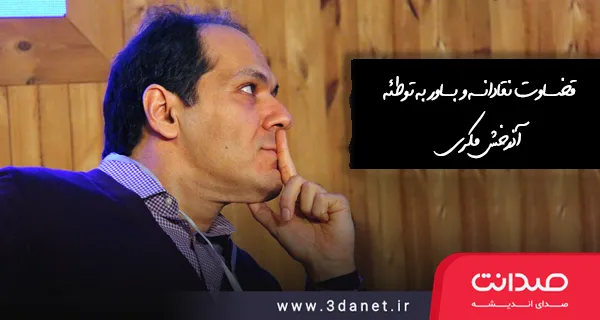
The lectures on “Critical Judgment and Conspiracy Belief” are not intended to explain which things are conspiracy delusions and which are sound judgments. Rather, the aim is to show how the mind’s decision-making process and the functioning of the mind and brain operate in such cases, and why some people perceive an event as conspiratorial while others do not. What goes on in the minds of these individuals that leads them to believe unofficial narratives? In any event, we have an official narrative and description where everything appears clear and simple, but the unofficial description of that event is more complex, involving hidden elements and hands. For example, in light of recent events, the question has been raised: was the coronavirus man-made by a certain group? Or is this mere pessimism, and essentially no specific individuals created the virus? Such conspiracy beliefs exist in many areas of life. For instance, in economic matters, there is also a belief that certain people control the market with a specific aim and intention. The goal of these lectures is not to declare which viewpoint is correct and which is wrong; rather, these lectures demonstrate what occurs in the human brain and mind that leads people to form such perceptions.
.
.
“Critical Judgment and Conspiracy Belief” Lectures by Azarakhsh Mokri
.
Each part of these lectures is approximately 20 minutes long.
PowerPoint file for the sessions
.
.
.
.
.
.
.
.
.
.
.
.
.
.




Discussion2 comments
غیر اخلاقی ترین عادت بشر اینست که مدام و بی وقفه، در باره هرکس و پیش از آنکه بفهمد ودرک کند قضاوت می کند. این آمادگی پرشور برای قضاوت کردن، نفرت انگیزترین حماقت و مخرب ترین شرارتهاست ! وصیت خیانت شده/ میلان کوندرا
اگر باور به وجود سناریو در پس کردار مردم و پیامدهای آن ، بی مصداق و گواه بود ، در گستره جهانی تسری نمی یافت و دائماً بازتولید نمی شد . تداوم و تحکیم اعتقاد به دخالت عمدی رخدادها مستند به تجربه است و بسیاری از منتقدان « فرضیه توطئه » هم خود بدان گرایش دارند و گاهی به عنوان ابزار فریب بدان متوسل می شوند .