Environment
David Benatar's Article: 'The Cause of the Coronavirus: Our Ruthless Treatment of Animals'
The coronavirus pandemic and many infectious diseases are consequences of human mistreatment of animals. David Benatar argues that instead of reacting after disaster strikes, we must prevent such outbreaks at the root by changing our behavior toward animals.
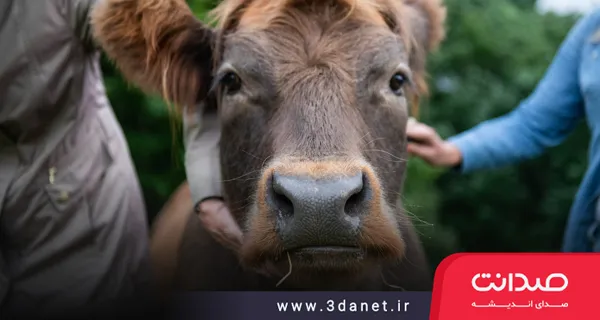
The Cause of the Coronavirus: Our Ruthless Treatment of Animals
The conditions that lead to the emergence of new infectious viruses are the very same conditions that subject animals to horrific cruelties.
One thing here is evident, and there is another that should be evident. The evident matter is that the coronavirus pandemic has brought much of the human world to a standstill. Quarantine conditions prevail in many countries. So far, over 1.7 million people have been infected, more than 100,000 have lost their lives[1], and billions are trembling in fear that the number of cases and deaths might grow exponentially. The wheels of the economy have ground to a halt, and the consequences have taken a toll on human health and well-being.
The matter that should be evident, but may be hidden from many, is that none of this should surprise us. The emergence of a new pandemic was entirely predictable, though not its exact timing and precise shape and form. And, from a very important perspective, this pandemic is of our own making, we humans. Pandemics may seem entirely like natural disasters, but usually—perhaps even mostly—they are not.
The coronavirus emerged in animals, crossed the species barrier, and then acquired the ability for human-to-human transmission, which is a common phenomenon. Most—and some believe all—infectious diseases are of this type (zoonotic). This fact, in and of itself, does not place the burden of responsibility on humans. But the emergence of many zoonotic diseases is rooted in the way we treat animals. China's "wet" markets are a prime example. For instance, these markets were not only the probable origin of COVID-19 but also the breeding ground for Severe Acute Respiratory Syndrome (SARS) and some avian influenza epidemics. (Another possible origin of the coronavirus that led to COVID-19 could be one of the numerous farms in China that keep a mix of wild and domestic animals, which is also down to humans.)
"Wet" markets, whose stalls are spread not only in China but also in some other East Asian countries, have characteristics that make them particularly special breeding grounds for the birth of infectious zoonotic diseases. Animals are crammed together in extremely cramped environments until the time comes for them to be slaughtered in the market for buyers. In such conditions, infections are very easily transmitted from one animal to another. Because animals are constantly brought to the market, diseases can be transmitted through the chain of infection that forms in the interim from one animal to another that will be brought to the market later. The proximity of these animals to humans, along with the bloody, feces-laden torrent mixed with their other bodily fluids and parts, all facilitate the transmission of infection to humans. Once we reach the stage of human-to-human transmission, an epidemic is to be expected, unless it is quickly contained. Global air travel can turn an epidemic into a pandemic within weeks or months—exactly what happened with the coronavirus.
It is precisely these conditions that facilitate the emergence of new infectious diseases and also subject animals to horrific cruelties—animals who languish in captivity and are then slaughtered. Simply put, the coronavirus pandemic is the result of our gross mistreatment of animals.
If this problem seems to you a problem specific to China and not one concerning all of humanity, you need to think harder. The number of zoonotic diseases that have arisen due to human mistreatment of animals is by no means small. For instance, the most probable origin of HIV (Human Immunodeficiency Virus) is considered to be SIV (Simian Immunodeficiency Virus), and the most likely way it crossed the species barrier was through the blood of non-human primates that humans slaughtered for consumption. Similarly, various forms of Creutzfeldt-Jakob disease probably originated from its analogous version in cattle—namely, “mad cow disease.” The most probable mechanism of transmission was also through the consumption of meat from infected cattle.
We should fully expect that in the future, the consequences of our mistreatment of animals will wreak havoc on our own species. Alongside future pandemics, we also face the very real risk of creating antibiotic resistance. The primary driver of this risk is the use of antibiotics in the livestock industry, whether to promote animal growth (to bring animals to a suitable slaughter weight in the shortest possible time) or to slow the spread of infections among animals crammed into the ruthlessly compressed environment of “factory farms.”
It is entirely possible that humanity will in the future regress to a pre-antibiotic era, an age in which humans died by the millions from infections that we have been able to effectively suppress since the discovery of penicillin and other early antibiotic agents. If this happens, the antibiotic era will turn out to be merely a brief interlude connecting two much longer periods of human history, two periods in which bacterial infections cut down humans on a massive scale. This prospect, though even more terrifying than the current crisis, is entirely real. The human species is aware of this problem, but has yet to take any action to prevent it (or at least minimize the probability of its occurrence).
What these examples and similar cases show is that cruelty to animals can inflict immense cruelties upon humanity. This very fact—in addition to the stronger moral reasons—provides humans with a selfish reason to reform their treatment of animals. The problem is that even selfishness is an imperfect motivator. Despite all the fanfare we have made in naming ourselves Homo sapiens, or “wise man,” we display little wisdom, even of the forward-looking kind.
We do not intend to deny humanity’s numerous intelligent achievements, but these very capabilities are coupled with cognitive and moral flaws, including an overconfidence in our ability to solve problems. Generally, humans react to pandemics rather than trying to prevent their occurrence—that is, we try to contain their spread after they emerge and scramble to find treatments and cures for those afflicted. The current crisis exposes the folly of such an approach. Our closest action to prevention is limited to developing vaccines. But this type of prevention is itself a form of reaction. Vaccines are developed in response to viruses that have already emerged. As our experience with the coronavirus shows, we may face a large time gap between the emergence of such viruses and the development of safe and effective vaccines, a gap that can inflict enormous damages upon us, whether from the virus itself or from our efforts to contain its spread.
True prevention means taking measures that, in the first place, minimize the probability of the emergence of a virus or other infectious agents. One such measure is a more intelligent—and more compassionate—assessment of our treatment of non-human animals and changing our practices accordingly.
Some might say that pointing a finger at the role of humans in the current pandemic while we are still struggling within it is tactless; isn't it ugly to be looking for a culprit in the midst of this crisis? These considerations are misplaced. Previously, in less turbulent times, warnings were given about the dangerous consequences of our actions, and no one paid heed. Of course, it is also entirely possible that even if our eyes are opened for a moment now, we will consign everything to oblivion in the blink of an eye, for we have a long history of doing so. But given the importance that lies in the balance of these two scales, it is better to risk appearing somewhat tactless than to turn away from the opportunity that has arisen to encourage positive changes. The lives of millions of people and the avoidance of immeasurable suffering are at stake.
What you read was a translation of an article titled Our Cruel Treatment of Animals Led to the Coronavirus by Professor David Benatar, published in the New York Times on April 13, 2020.
.
.
Translator: Mohammadrasoul Alizadeh Asli
Translator's Note:
1- David Benatar is a professor of philosophy and director of the Bioethics Centre at the University of Cape Town. In 2006, Mr. Benatar wrote an article for the American Journal of Public Health warning about future pandemics. In parts of this article, we read: "The humans who suffer are not only those who have engaged in the mistreatment of animals ... the consequences may affect others, possibly in future generations... Those who consume animals not only wrong the animals and put themselves at risk, but they also threaten the health and safety of other current or future humans in the world ... It is interesting that changing the way humans treat animals—essentially abandoning the eating of animals or, at least, dramatically limiting the amount of their consumption—is not even mentioned as an effective preventive measure. Such a change ... could reduce the risk of a pandemic of such a frightening influenza. It is even more likely to prevent the emergence of unknown viruses in the future that may arise, should these conditions persist, as a result of intensive animal farming and the slaughter of animals for food. But humanity does not even consider this option."
2- Due to the gravity of the antibiotic resistance crisis, the translator feels obliged to briefly share some alarming statistics with readers. Currently, 700,000 people worldwide lose their lives annually due to antibiotic resistance. According to ISNA, quoting The Independent, “Experts, noting that the volume of antibiotics used in animals is increasing worldwide, stated: In some countries, about 80 percent of the consumption of important antibiotics is in the animal sector.” According to Mahmoud Nabavi, Deputy Director of the Center for Communicable Disease Management at the Ministry of Health, Treatment, and Medical Education, in Iran, “90 percent of antibiotics are used in livestock farming and 10 percent in medical centers.” The livestock industry even threatens the health of those who consume no animal products whatsoever: According to Nabavi, “For example, the cholera microbe responded to antibiotics until the 1990s, but thereafter became resistant because the antibiotics used in livestock farming enter the environment and water and create microbial resistance.” Of that 10 percent human consumption, a significant portion is also attributed to self-medication or inappropriate prescriptions by physicians in Iran, which, according to Dr. Alireza Zali, President of Shahid Beheshti University of Medical Sciences, at the 28th Iranian Congress of Infectious Diseases and Tropical Medicine, has caused “the per capita consumption of antibiotics in Iran to be 14 to 16 times the global standard.” According to Minoo Mohraz, a member of the National Committee for Combating Infectious Diseases, “The rate of microbial resistance to antibiotics for some infectious diseases in Iran has increased 16-fold, and this means a danger that threatens the health of our country’s future generation.”
.
.
[1] Translator’s note: At the time of translating this piece, October 10, 2020, the number of cases had reached approximately 37 million, and the death toll had surpassed 1 million.
.
.





Discussion3 comments
بالاخره یکی پیدا شد دو کلمه حرف حساب بزنه تا قبل از خوندن مطالب اندیشمند بزرگ و متفاوت فکر میکردم یه چیزیم هست که طرز تفکرم با همه فرق داره !! ولی الان خودم رو جزئی از تعدادی اقلیت میدونم که روزی حقانیتمون ثابت خواهد شد هر چند اون روز دیگه نیستیم
با سلام. بد نیست اشاره کنم که، مطابق با پیشبینیِ نویسندهیِ این مطلب، تا کنون در چند مورد شاهد پیدایش سویهیِ جدیدی از ویروس کرونا در تولیدیهایِ خز از پوستِ مینک بودهایم، در کشورهایی که بزرگترین تولیدیهای خزِ مینک را دارند (دانمارک، هلند، و اخیراً لهستان)، آن هم با قابلیت انتقال به انسان. چون این احتمال وجود دارد که با گسترش سویهیِ جدیدِ ویروسِ کووید-۱۹ عملکرد واکسنهایی که تا کنون ساخته شده خنثا شود، این کشورها دستور کشتار میلیونیِ مینکها را در این پرورشگاهها صادر کردهاند. https://www.thenationalnews.com/world/polish-mink-covid-19-strain-can-pass-to-humans-1.1165389 با استثمارِ حیوانات به دنیاگیریها دامن میزنیم و سپس با قتلِ عامِ حیوانات به آن واکنش نشان میدهیم--از برایِ هیچوپوچ!
بسیار ممنونم از مجموعهی صدانت بابت انتشار این مطلبِ مهم و مغفول. ردپای گونهپرستی ما که باعث تجاوز به حقوق حیوانات میشود در تک تک عوامل ذکرشده برای بروز بیماریهای مشترک بین انسان و باقیِ حیوانات پیداست. برنامهی محیط زیست ملل متحد برای ظهور چنین بیماریهایی عوامل زیر را ذکر کرده است: 1. جنگلزدایی و سایر تغییرات کاربری زمین 2. مقاومت آنتیبیوتیکی 3. تغییر اقلیم 4. کشاورزی فشرده و تولید دام 5. تجارت «غیرقانونیِ» حیاتوحش و یا نظارت ضعیف بر آن 1. یکی از اصلیترین دلایل جنگلزداییها تقاضای روزافزون گوشت و تولید خوراک حیوان است، که لازمهی آن ازبینبردن جنگلها و تبدیلکردنشان به مرتع و مزرعه است. براساس آمار بانک جهانی، چرای گاو باعثوبانی ۸۰ درصدِ جنگلزداییِ آمازون است(۱). مصرف گوشت، لبنیات، تخممرغ، و حیوانات آبزی حدود ٨٣ درصدِ اراضی کشاورزیِ دنیا را اشغال کرده است درحالیکه فقط ٣٧ درصدِ پروتئین و ١٨ درصدِ کالریمان را تأمین میکند(٢). 2. استفاده از آنتیبیوتیک در بخش دامپروری عمدتاً برای تسریع رشدِ حیوانات سالم است(٣). پیشبینی میشود تا سال ٢٠۵٠ تعداد افرادی که به خاطر مقاومت آنتیبیوتیکی جان خود را از دست میدهند به ١٠ میلیون نفر در سال برسد(4). 3. بر اساس آمار فائو، بخش دامپروری باعثوبانی ١۴.۵ درصد کل انتشار گازهای گلخانهای است (سهمی بیشتر از تمام بخش حملونقل)(۵). و بنا به نظر پژوهشگران مؤسسهی دیدبان جهانی، با احتساب تعرق، این عدد به ۵١ درصد هم میرسد(۶). میزان انتشار پنج شرکت گوشتی و لبنیِ برتر دنیا باهمدیگر، بیشتر از میزان انتشار بزرگترین غولهای نفتی یعنی اگزون موبیل، شل، و بریتیش پترولیوم است(٧). 4. براساس جدیدترین آمار سازمان غذا و کشاورزیِ ملل متحد، ما هرسال برای غذا ٧۵ میلیارد حیوان را به کشتن میدهیم! یعنی حدوداً ١٠ برابرِ کل جمعیت بشر. البته این عدد حیوانهای دریایی را شامل نمیشود چون آنقدر زیادند که حتی بهشمار در نمیآیند. 5. چنانچه حیوانات را کالا نمیدیدیم، و ارزش اخلاقیِ آنها را بهرسمیت میشناختیم، عبارتهای گونهپرستانهای مثل «شکار غیرقانونی» نیز جایی در ذهن و زبانمان نمیداشت. پرواضح است که اگر حیواناتِ دیگر را هم واردِ دایرهی اخلاقیمان میکردیم و دست از خوردنشان برمیداشتیم، شاهد بسیاری از اتفاقاتِ ناگوارِ کنونی نبودیم. 1. Causes of Deforestation of the Brazilian Amazon. World Bank Working Papers. December 2003. 2. Poore J, Nemecek T. Reducing food’s environmental impacts through producers and consumers. Science 2018;360:987-992. 3. https://www.who.int/news-room/detail/07-11-2017-stop-using-antibiotics-in-healthy-animals-to-prevent-the-spread-of-antibiotic-resistance 4. O’Neill. 2016. Tackling drug-resistant infections globally: final report and recommendations. 5. Gerber, P.J., Steinfeld, H., Henderson, B., Mottet, A., Opio, C., Dijkman, J., Falcucci, A., Tempio, G., 2013. Tackling Climate Change through Livestock – a Global Assessment of Emissions and Mitigation Opportunities. Food and Agriculture Organization of the United Nations (FAO), Rome. 6. Goodland, R., Anhang, J., 2009. Livestock and Climate Change. WorldWatch. 7. Big meat and dairy’s supersized climate footprint. GRAIN, IATP and Heinrich Böll Foundation. 2017.