Sociology
Detailed Report on the East Azerbaijan Earthquake
Public mistrust drives people toward individual action, but uninformed enthusiasm ends up harming those in need. A research report on the Azerbaijan earthquake offers guidelines for informed aid.
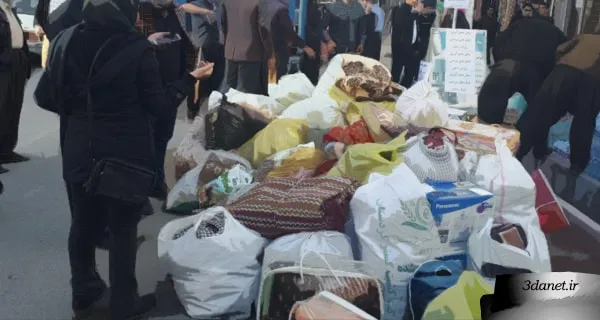
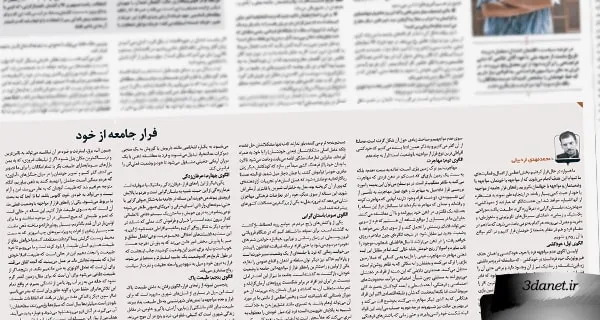
Mohammad Mehdi Ardebili: When people lose trust in all institutions, even a large part of civil and charitable organizations, one can only trust the “people” themselves. Here, the people compensate for the inefficiency of failed and corrupt institutions with their own capacity. The flood of personal activities, including renting pickup trucks, sharing personal bank account numbers, and similar examples, are evidence of this claim. In a situation of institutional blockage and dysfunction, one can only hope for the future of these people on the condition that such capacity still remains for them. The capacity to transform the passivity resulting from confronting institutional inefficiency into individual or small collective activities
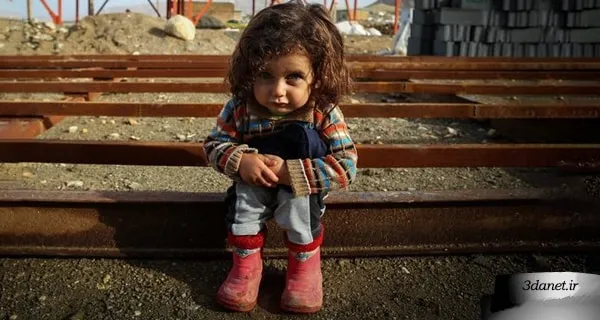
But the main issue is that often those who want to do something do not properly know the way to do it. The overwhelming public enthusiasm (for whatever reason, a critical analysis of its eruption is not necessary at present) to assist the injured and survivors, largely accompanied by ineptitude, amateurishness, and a lack of proper analysis and knowledge of the region, not only goes to waste but sometimes even leads to harm for the affected people. The mendicancy-inducing approach dominating aid efforts, meaning giving food instead of the means to prepare it, giving bread instead of flour, giving bottled water instead of bringing a water tanker, giving canned goods instead of creating conditions for cooking, sending second-hand clothes, and so on, can all not only turn a small village into a dump of plastic containers and tin cans after a week, but also shatter the character of the village’s people in a way that, in the long term, leads to the destruction of the village and migration to large cities. Perhaps the emergency nature of aid for the first 3-4 days is justifiable, but the main catastrophe is not the hunger, thirst, and homelessness of the people of these areas, but the long-term destruction of the entire region in terms of livelihood. Soon, the general atmosphere of aid will subside, and with the onset of cold weather, the people of these areas will only then face the real catastrophe.
More important than the issue of distributing and managing consumer goods is the issue of distributing and managing the people’s desire to help and their emotional enthusiasm, which, due to the lack of efficient institutions and the general distrust resulting from the state-nation gap, leads to futile efforts and even well-intentioned destructive acts. Hastily organizing convoys of pickup trucks among the displaced, in addition to destroying the character of individuals and the region’s culture, and creating space for exploiters, will lead to an unbalanced distribution of goods. Meanwhile, one should not forget that the image held by residents of the capital or central areas of the people of deprived regions is largely illusory and imaginary, and this very fact causes harm to the local people and their living areas themselves.
The file below is a detailed report of a project prepared through the efforts of a research group managed by my dear friend Behrouz Mohammadi on the Azerbaijan earthquake, a significant portion of whose analysis and results are undoubtedly shared with the present earthquake and possible future earthquakes. Studying this research is essential for all individuals eager to help the affected people. Even if you do not have the time to study all of it, be sure to read chapters four and five (examination of findings, solutions, and results). Our overwhelming enthusiasm and the lack of trusted institutions must not lead to blind activities and reinventing the wheel. Romantic and humanitarian fervor, if not accompanied by wisdom and prudence, can turn into a destructive force born of ignorance.
.
.
pdf file of the detailed report on the East Azerbaijan earthquake
.
.


Discussion0 comments
No comments yet; let yours be the first voice.