Philosophy
Does Jean-Jacques Rousseau Really Endorse Trump?
Some have interpreted Trump's speech as a reflection of Rousseau's thought, but a careful reading of his works shows that the Genevan philosopher did not view the general will as a blank cheque for demagogic leaders and warned against substituting private interests for the people's interests.
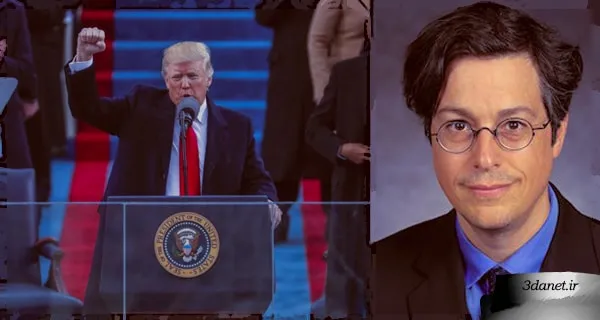
This week, in an editorial syndicated to several newspapers across the country, Washington Post columnist Michael Gerson expressed his concern that President Trump’s inaugural address forged a special bond between the people and the president, while simultaneously implying that corruption is woven into the fabric of the legislature and that it is determined to undermine the people’s will on a democratic stage. In the course of this argument, Gerson said Trump’s politics are unconsciously influenced by the eighteenth-century Genevan philosopher, Jean-Jacques Rousseau.
Gerson is probably right about Trump, but wrong about Rousseau. Contrary to Gerson’s view, Trump’s perspective on executive power and its relationship with the public sphere has nothing to do with Rousseau’s ideas. In truth, Rousseau warned his readers against politicians like Trump. Gerson imagines Rousseau’s argument to be as follows, writing:
Trump’s inaugural address owes a great deal to the philosopher Jean-Jacques Rousseau (or at least to one interpretation of him). Rousseau wrote of leaders who embody the “general will.” Trump says the rent-seekers the American people keep electing have betrayed them. Since the normal democratic process is corrupted, a strong hand is needed to prevent America’s complete downfall.
He continues:
In Trump’s speech, there are only two actors who remain uncorrupted: the people and the president. All Trump asks of citizens is their support. The result is that, practically speaking, only one actor remains in play. A leader who claims to embody the general will. When Trump claims, “We will bring back our jobs, we will bring back our borders, we will bring back our wealth,” who is this “we”? The forgotten “men and women” and the singular leader who has not forgotten them.
In Gerson’s narrative, Trump is precisely the kind of leader Rousseau wanted. A leader who reflects the general will of the voters. In his view, Rousseau had no patience for the dirty compromises of legislative politics and yearned for powerful leaders who issue a general command to do what must be done. This suggests that Rousseau was not sufficiently aware of the dangers of populism and totalitarianism.
But this is not what Rousseau actually said. Gerson’s critique of Rousseau (that he had no patience for the legislative process and yearned for nascent totalitarianism) has a long and misleading history. In fact, a careful reading of Rousseau and his thoughts suggests that if he were alive today, he would sharply criticize the very person Gerson imagines Rousseau would praise—namely, Mr. Trump. Rousseau did not believe that the general will is a blank check that gives future populists and demagogues free rein to do whatever they please. He firmly believed that governance (or ultimate political authority) must rest with the people. But this does not mean that the people are always right. The people may be diverted from the true general will by the persuasive arguments of individuals pursuing their own particular goals.
In his book The Social Contract, Rousseau warned:
“The general will is always right, but the judgment that guides it is not always enlightened. It must be made to see things as they are, and sometimes as they ought to appear, to show it the path of the good and protect it from the seduction of private wills.”
Rousseau warned against politicians like Trump. Rousseau’s concern about the “seduction of private wills” speaks directly to Gerson’s worry about Trump. Like Gerson, Rousseau is concerned that demagoguery creates populist attractions that divert the people from the true general will.
In his "Discourse on Political Economy," Rousseau warned that ambitious politicians would come to power claiming to represent the general will, while not embodying its principle. He cautioned the people not to be deceived by "the private interests that a handful of clever men have acquired under the cover of their reputation and eloquence, and not to substitute those interests for the people's own interests, for if this happens, the general will will become something entirely different from public deliberation and reflection." Of course, Trump may not seem eloquent to some, but there is no doubt that his rhetorical games are appealing to his supporters.
The general will is not merely what a demagogic politician says; rather, this will is a fundamental principle that works in favor of equality. In Emile, Rousseau shows that the general will "always has its heart set on equality." In his treatise on the Government of Poland, he describes equality as the "principle of the constitution," and in The Social Contract, he contrasts private will, which "by its nature has its heart set on partiality," with the general will, which has its heart set on "equality." This means equality both in rights and in wealth. In the "Discourse on Political Economy," Rousseau warns that citizens can be assured that the wealthy will use "the pretext of the public good" to attack the poor and confiscate their remaining resources. Consequently, a just government must show that it "sincerely seeks to bring justice to all and, above all, seeks to protect the poor against the tyranny of the rich." A just government can accomplish this, first and foremost, by "preventing extreme inequality of fortunes." It is far from certain that Trump's administration will dedicate itself to reducing economic inequalities. If we are to take Rousseau as seriously as Gerson wants, we must be clear on this point: the general will considers inequality one of the greatest social ills. Furthermore, Rousseau repeatedly stressed that the general will necessarily creates laws that have universal application, rather than supporting specific people or groups. He insisted that "the general will cannot be directed towards a particular object," for if the government supports specific parties or enterprises, other parties will inevitably feel the sting of discrimination and partiality. If Trump's administration proceeds to negotiate specific tax deals benefiting certain companies or punishes certain companies for political reasons, this would be a violation of the general will.
Philosophers should not be blamed for the actions of politicians. Commentators are often tempted to blame renowned philosophers for political troubles, especially in difficult and trying times. For instance, the famous philosopher of science Karl Popper wrote two volumes blaming the rise of Hitler, Mussolini, and Stalin on Plato, Hegel, and Marx. No one has been more subject to this kind of hostile interpretation than Jean-Jacques Rousseau. The truth is that a careful reading of Rousseau suggests other reasons for questioning the nascent administration. If Gerson wants to criticize Trump, he certainly has the right, but if he wants to link Trump to Rousseau, he must go and study carefully.
.
.
Would Jean-Jacques Rousseau actually approve of Trump? Not exactly.
In a nationally syndicated op-ed this week, Washington Post columnist Michael Gerson said he was worried because President Trump’s inauguration speech evoked a special relationship between the people and the president, while intimating that the legislature is by its very nature corrupt and determined to subvert the people’s will in a democratic setting. In making this argument, Gerson suggested that Trump’s politics borrows unconsciously from the 18th century Genevan philosopher, Jean-Jacques Rousseau.
Gerson may be right about Trump. However, he’s wrong about Rousseau. Contrary to Gerson, Trump’s ideas about executive power and its relationship with the public have little to do with what Rousseau argued. Indeed, Rousseau actually warned his readers against politicians like Trump.
This is what Gerson thinks that Rousseau is saying:
Trump’s inaugural address owes a great deal to philosopher Jean-Jacques Rousseau (or at least one interpretation of him). Rousseau wrote of leaders who incarnate “the general will.” Trump argues that the American people have been betrayed by the venal people they elect and reelect. Since the normal processes of democracy have been corrupted, bringing America to the brink of ruin, a strong hand is required.
He continues,
In Trump’s speech, there are just two uncorrupted actors: the people and the president. The only thing that Trump asks of citizens is to support him. So this really leaves only one actor who actually acts — a leader who claims to embody the general will. When Trump asserts, “We will bring back our jobs. We will bring back our borders. We will bring back our wealth,” who is the “we”? It is the “forgotten men and women” and the single leader who has not forgotten them.
In Gerson’s version, Trump is the kind of leader Rousseau wanted — someone who reflects the general will of the electorate. He sees Rousseau as impatient with the squalid compromises of legislative politics and friendly to strong leaders with a general mandate to do the things that need to be done. This also implies that Rousseau was less aware of the risks of populism and indeed totalitarianism than he ought to have been.
This is what Rousseau actually says:
Gerson’s criticism of Rousseau — that he was impatient with the legislative process and friendly toward incipient totalitarianism — has a long history. But it is also misleading. In fact, a careful reading of Rousseau and his ideas about the general will suggest that Rousseau would harshly criticize the very figure whom Gerson thinks Rousseau would celebrate — Trump.
Rousseau did not believe that the general will was a blank check that allowed would-be populists and demagogues to do whatever they wanted. He did believe that sovereignty — or ultimate political authority — should rest with the people. However, that did not mean that the people were always right. They might be swayed from the true general will by the persuasive arguments of individuals with their own particular purposes.
As Rousseau cautioned in his “Social Contract”: “The general will is always right, but the judgment which guides it is not always enlightened. It has to be to made to see objects as they are, sometimes as they ought to appear to it, to show it the good road it is looking for and to protect it from the seduction of particular wills.” Rousseau intended this as an invitation to an education in civic virtue and fraternal love among citizens, where “one cannot offend against one of its members without attacking the body.”
Rousseau warns against politicians like Trump
Rousseau’s worries about the “seduction of particular wills” were addressed precisely toward the concerns that Gerson has about Trump. Rousseau, like Gerson, was worried about the ways in which demagogues may make populist appeals and sway people away from the true general interest.
In Rousseau’s “Discourse on Political Economy,” he warned that there would be ambitious politicians who claimed to represent the general will but did not embody its principles. He cautioned the people not to be “seduced by private interests which some few skillful men succeed by their reputation and eloquence to substitute for the people’s own interest. Then the public deliberation will be one thing, and the general will another thing entirely.” Trump may not seem eloquent to some observers, but there is no doubt that his rhetoric appeals to his supporters.
The general will isn’t just what a demagogic politician says it is. Instead, it is a substantive principle that privileges equality. In Rousseau’s “Emile,” he indicated that the general will “always tends to equality.” In the “Government of Poland,” he described equality as “the principle of the constitution.” And in the “Social Contract,” he contrasted the particular will, which “tends, by its nature, to partiality,” with the general will, which tends “to equality.”
This means both equal legal rights and equality of wealth. In his “Discourse on Political Economy,” Rousseau warned that citizens can be sure that the wealthy will employ the “pretext of the public good” to assault the poor and confiscate their remaining resources. A just government, therefore, should show “strict integrity to render justice to all, and above all [seek] to protect the poor against the tyranny of the rich.” It could accomplish this primarily by “prevent[ing] extreme inequality of fortunes.” It is, to put it mildly, unclear that the Trump administration will devote itself to reducing economic inequality. If we are to take Rousseau as seriously as Gerson wants, we should be clear that the general will identifies inequality as one of the greatest social ills.
Furthermore, Rousseau insisted repeatedly that the general will necessarily generates laws that are general in application, rather than favoring particular people or groups. He insisted that “there can be no general will directed to a particular object,” since if the government favored particular parties or corporations, other parties would inevitably feel the sting of favoritism. If the Trump administration starts negotiating special tax deals for some firms and not for others, or punishing specific firms for political reasons, it will be violating the general will.
We shouldn’t blame philosophers for politicians’ actions
Commentators are often tempted to blame renowned philosophers for political difficulties, especially during challenging times. The celebrated philosopher of science, Karl Popper, for example, wrote two volumes blaming the rise of Hitler, Mussolini and Stalin on Plato, Hegel and Marx. No one has been more subject to this kind of strained interpretation than Jean-Jacques Rousseau. Indeed, attentive reading of Rousseau suggests additional reasons to challenge the new administration. If Gerson wants to criticize Trump, he is obviously in his rights, but if he wants to associate Trump and Rousseau, he needs to go back and do some more careful reading.
David Lay Williams is professor of political science and Wicklander Fellow at DePaul University and the author of “Rousseau’s Platonic Enlightenment”(Penn State, 2007) and “Rousseau’s ‘Social Contract’: An Introduction(Cambridge, 2014). He is presently writing “ ‘The Greatest of All Plagues’: Economic Inequality in Western Political Thought” for Princeton University Press.
.
.
Does Jean-Jacques Rousseau Really Endorse Trump?
David Lay Williams, David Lay Williams is a professor of political science at DePaul University and the author of the books Rousseau's Platonic Enlightenment and An Introduction to Rousseau's Social Contract. This piece was published in the Washington Post on January 28.
Translator: Kaveh Behbahani
.
.


Discussion2 comments
به نظر من نظر گرسون صحیح است...بدیهی است که روسو از پوپولیزم حمایت نمی کند...نظر رسو به نوعی.اتوریته اکثریت است...یعنی وقتی اکثریتی حاصل شد دیگر در گیر روند قانونگزاری وقتگیر نشویم به عبارتی دموکراسی مستقیم...به نظر من ترامپ تقریبا در این سپهر قرار می گیرد...مقاله نویس می گوید که ترامپ خواست های شخصیش را جای خواست اکثریت جا می زند...بدیهی است که مقصود روسو این نبوده...در واقع مخالفت مقاله نویس با.شخص ترامپ است نه با راه ترامپ...
« گرسون » نوشت : « سخنرانی آغاز به کارِ ترامپ حسابی به ژان ژاک روسویِ فیلسوف ( یا دستِکم به یک تفسیر از او) مدیون است » ، و « دیوید لی ویلیامز » نتوانست نشان دهد که « تفسیر مورد نظر گرسون وجود ندارد یا ناممکن است » . شاید از دید روسو رأی غالب عموم به فرد مبین تجسم خواست عمومی در آن فرد نبوده اما « دست کم یک تفسیر از نحوه تجسم خواست عمومی در فرد » می تواند تعلق آرای عمومی به آن شخص باشد ، و این تفسیری ممکن از رابطه خواست عمومی و انتخابات آزاد و عمومی در دیدگاه روسو است .