Philosophy
Farewell to the Philosopher in White!
Derek Parfit, the renowned Oxford philosopher, has left the philosophical community in shock with his passing. He was one of the most important assets of analytic philosophy, whose book Reasons and Persons was hailed as a work of genius, and with a reclusive yet open-to-criticism personality, he put forward original ideas about personal identity and normative ethics.
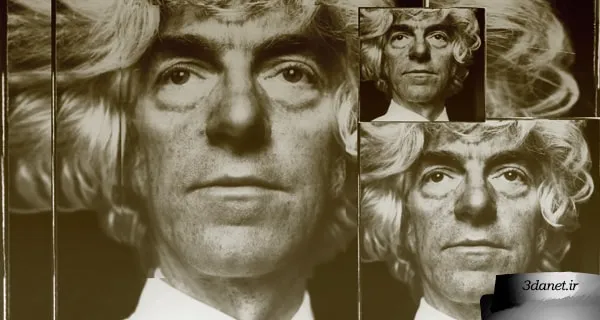
The year 2017 did not begin pleasantly for the community of philosophers. The drum of departure suddenly sounded for a renowned philosopher and left the philosophical community in a state of shock. Derek Parfit, the celebrated Oxford philosopher, poet, and photographer, ceased to continue his “existence” and abandoned his “identity” on January 2, 2017, at the age of 74. The University of Oxford rose halfway in his honor and lowered its flag to half-mast as a sign of this loss. It must be acknowledged that Parfit was one of the most important assets of English analytic philosophy. His works had so thoroughly swept through philosophy departments that one can hardly find a student of philosophy of mind or moral philosophy who has not, whether negatively or affirmatively, engaged with and confronted his teachings. His logical, analytic mind was truly captivating and rare. His style of philosophical writing, though controversial and not to many’s taste, arose from that same logical mind. It was not without reason that Alan Ryan, the political and social philosopher, described Parfit’s influential book Reasons and Persons (1984) as a work of genius—a book that has been selected among the top ten philosophical works in terms of prominence and citation frequency.
As someone who was a student of his student, I set out to write a few lines in tribute to him. During my studies I had the honor of drawing abundantly from the ocean of his knowledge. At all hours, in corridors and classrooms, I would seek him out. He would sometimes tolerate me and answer my questions. I feel more indebted to him than I can express in writing. His manner and method of philosophical thinking and reasoning were so captivating that they would enchant any philosophy student like me. Parfit was not only a first-rate philosopher but also had a distinctive personality. His disheveled hair and ever-present white shirt are unforgettable. Even on the cold, rainy days and nights of England, he made do with just a single white shirt. I remember around January 2014, after one of his lectures ended, we were standing on the street with a few students and professors. His wife—Janet Radcliffe Richards, who is an Oxford philosopher—used the cold weather as a pretext to argue with him about being "in just one layer." She insisted he put on a coat, but Parfit, though shivering, refused to wear one! Parfit's personality was very reclusive. I heard from his wife that in his youth, when he was studying at Oxford University, he would only travel the distance between his dormitory and the college and spent almost the entire day in the library. His isolation had made him somewhat acerbic despite his kindness. I had heard from classmates that once in class, because of a pointless question a student had asked, he had shouted at him and ridiculed him. Apparently, at the end of the class, he apologized to that student for his behavior. Parfit cared deeply about charitable causes, and a concern for helping others surged within him. I had heard from my professor—Brad Hooker—that for the publication of his last book, On What Matters, he had negotiated with Oxford University Press not to calculate his royalties and to use lower-quality paper so that the book's price would be lower and students could purchase it more easily. His regard for the tradition of critique and his spirit of openness to criticism were truly astonishing. For the publication of his second book, On What Matters, he had distributed the book among nearly three hundred prominent philosophers for about five years to hear their critiques and comments before publication and possibly incorporate them. The names of all these philosophers appear at the beginning of his book. Nevertheless, this book was not received as warmly as his first book—Reasons and Persons. Various fierce critiques were written about it. Some even considered On What Matters to resemble the jumbled paragraphs of a "draft." Yet his patience and composure in responding to critiques were extraordinary. I remember once Peter Singer, the famous moral philosopher from Princeton University, was criticizing Parfit's view on Kantian contractualism and rule-consequentialism in a lecture in Parfit's presence. When it was Parfit's turn, he calmly said, "I think Peter is right, and this part of my argument is weak!" Through the efforts of Peter Singer, the third and fourth volumes of On What Matters were to be published. In the third volume—like the second—Parfit had tried to respond to various critiques. Apparently, the book will be published soon, but Parfit was in a hurry not to see it! The mark of his creative mind can be found in the thought experiments he devised. Perhaps one of his most important legacies in philosophical reasoning is the various thought experiments he left behind. The famous "teletransportation" thought experiment in the philosophy of personal identity, or the "repugnant conclusion" thought experiment in population ethics, are considered among his important arguments. Parfit's views in the two areas of philosophy of mind and moral philosophy have been far more controversial than in other areas. Below, as a concluding flourish, I will try to briefly outline a few of his pure philosophical ideas. Philosophy students should take Parfit's writing and method of reasoning as a model, regardless of its content. His orderly and clear writing is exactly what a philosophical text needs. Who are we? (Philosophy of Personal Identity) Parfit's view of our identity as human beings is in some ways similar to John Locke's psychological view. In brief, Locke believed that human identity is constituted by their memory. Parfit, however, departs from Locke where he adds the condition of "continuity and connectedness" to memory. Yet Parfit goes further and states that since no decisive criterion for personal identity can be found, the question of identity lacks philosophical importance! Parfit employs the "teletransportation" thought experiment to show that what matters is our "psychological continuity and connectedness."
در کتاب دلائل و اشخاص از «پارادوکس تل شن» استفاده می کند تا ابهام و مشکک بودن هویت را نشان دهد. برای پارفیت ما آدمیان چیزی جز مغز و بدنمان نیستیم هر چند نمی توان گفت هویت ما فقط قابل تقلیل به این دو است. فتح یک قله؟ (تئوری های هنجاری فلسفه اخلاق) شاید بتوان با کمی مسامحه پذیرفت که فلسفه اخلاق آنالیتیک کنونی بر دوش سه تن سنگینی می کند: درک پارفیت، تیم اسکنلن و تامس نیگل. پارفیت از فایده گرایان سرسخت بود. بالا بردن سطح لذت، خوشبختی و رفاه و کم کردن سطح رنج معیار او برای درستی افعال بود. شاگرد او برد هوکر برای موجه تر کردن فایده گرایی آن را با وظیفه گرایی کانتی-راسی ترکیب کرد و فایده گرایی قاعده محور را ترویج کرد. اسکنلن قراردادگرایی رالزی را با نوعی کانتی گرایی ترکیب کرد و قراردادگرایی کانتی را ترویج داد. نیگل هم- با فراز و نشیب بسیار- عموما از نوعی وظیفه گرایی کانتی دفاع می کند. با وجود تفاوت میان این فیلسوفان در اتخاذ تئوری های هنجاری، آنان در یک امر دست کم اشتراک نظر دارند و آن اینکه شهودگرا هستند. این فیلسوفان معتقدند گزاره های بدیهی اخلاقی ای وجود دارند که با نظر در خود گزاره ها و بدون احتیاج به گزاره های دیگر می توان آنها را تصدیق کرد. پارفیت برای قدرتمند تر کردن تئوری اخلاق هنجاری در پی این بود تا نشان دهد فایده گرایی قاعده محور، قراردادگرایی و کانتی گرایی هرسه یک قله را فتح می کنند. او در کتاب درباره آنچه مهم است استدلال می کند فایده گرایی قاعده محور و قراردادگرایی کانتی در حقیقت چنان به به هم نزدیک می شوند که در جایی تلاقی پیدا می کنند. به همین سبب او از یک تئوری هنجاری بدیلی که از ترکیب این سه تئوری بود دفاع می کرد. طبق این تئوری معیار درستی افعال مثل همه تئوری های پیامدگرا بالابردن سطح خوشبختی و پایین آوردن سطح رنج است. اما از آنجا که فایده گرایی او قاعده محور است هنگامی می توان سطح خوشبختی را بالا برد (یا رنج را پایین آورد) که طبق آنچه کانت می گفت بتوان آن فعل را جهانشمول کرد. یعنی از خودمان بپرسیم: اگر این فعل برای همگان رخ دهد چه می شود؟ اما نظریه هنجاری پارفیت از یک صافی دیگر هم عبور می کند و آن قراردادگرایی کانتی است. به اختصار، طبق قراردادگرایی کانتی زمانی فعلی موجه است که دلیل محکمی علیه آن وجود نداشته باشد. عدالت برای آیندگان (اخلاق جمعیت) یکی از بحث های بسیار جذابی که پارفیت در کتاب دلائل و اشخاص طرح کرده است و از پیشگامان آن محسوب می شود، بحث از اخلاق جمعیت است. در این بحث دست کم دو سوال طرح می شود: اول اینکه وظیفه اخلاقی ما نسبت به نسلی که پس از ما می آید چیست؟ دوم اینکه آیا ازیاد جمعیت امری معقول و اخلاقی است؟ پارفیت در پاسخ به این دو سوال ما را با دو پارادوکس جذاب روبرو می کند: در مورد سوال اول، فرض کنید زنی قصد حامله شدن دارد. دکتر به او توصیه می کند قبل از حامله شدن باید خودش را درمان کند. در غیر این صورت فرزند او نابینا به دنیا خواهد آمد. اگر این زن خود را درمان کند فرزندی با هویت الف به دنیا خواهد آمد ولی اگر خود را درمان نکند فرزندی با هویت ب به دنیا خواهد آمد. حال فرض کنید این زن خود را درمان نکند و فرزند ب نابینا به دنیا بیاید. آیا فرزند ب حق دارد مادر خود را ملامت کند؟ به نظر می آید بله حق دارد! ولی پارفیت بیان می کند اگر مادر خود را درمان کرده بود اصلا فرزند ب هویت و وجود پیدا نمی کرد که اعتراض کند. با فرض اینکه بودن بهتر از نبودن است، به نظر می آید فرزند ب نمی تواند اعتراض کند چون هویت خود را مدیون مادر است. در مورد سوال دوم -ازدیاد جمعیت- به نظر می آید دلایل زیادی در دست است که ازدیاد بی رویه جمعیت در کره زمین می تواند منابع زندگی را به نحو رنج آوری محدود کند. به همین سبب شهود بسیاری از ما تایید می کند که داشتن جهانی با جمعیت کمتر و میزان خوشبختی بیشتر «بهتر» از جهانی با جمعیت بیشتر ولی میزان خوشبختی کمتر است. اما پارفیت با طرح استدلالی به ما نشان می دهد شاید این شهود چندان هم درست نباشد: فرض کنید جهان الف یک میلیارد جمعیت دارد با میزان زیادی از خوشبختی. جهان ب دقیقا مثل جهان الف یک میلیارد جمعیت دارد با همان میزان خوشبختی با این تفاوت که جهان ب یک میلیارد جمعیت بیشتر هم دارد که خوشبختی آنها کمتر از میزان خوشبختی جهان الف است. با قیاس میان جهان الف و جهان ب می توان فهمید در مجموع خوشبختی در جهان ب بیشتر است. در حقیقت با اینکه جهان ب جمعیت بیشتری دارد که خوشبختی کمتری نسبت به جهان الف دارند ولی در مجموع خوشبختی جهان ب از خوشبختی جهان الف بیشتر است. پس جهان ب «بهتر» از جهان الف است. حال کافیست تعداد جهان ها را اضافه کنید تا برسید به جهانی که میلیاردها نفر جمعیت دارد ولی میزان خوشبختی بسیار کمی دارد (مثل جهان ی). مجموع خوشبختی در این جهان بیشتر از جهانی است که یک میلیارد جمعیت دارد و میزان خوشبختی بالایی دارد. نتیجه این استدلال کمی غریب می آید. آنقدر غریب که حتی خود پارفیت برای این پارادوکس جوابی ندارد! علیرغم باورهای ابتدایی ما مبنی بر اینکه جهان خلوت تر «بهتر» از جهان شلوغ و پرجمعیت است، اکنون آزمایش ذهنی ای در دست داریم که نشان می دهد جهان شلوغ تر می تواند مجموع خوشبختی بیشتری داشته باشد.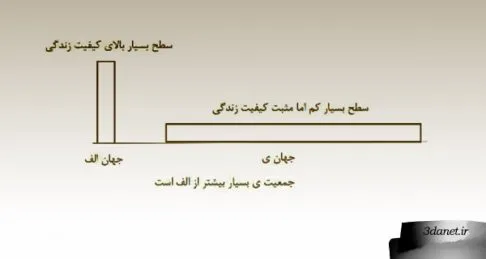
.
.
Farewell to the Philosopher in White!
Hossein Dabbagh
.




Discussion2 comments
مفید و جالب بود ممنون
احتمالا تفاوت جهان الف و ب همان تفاوت نسبی میان سوسیالیسم و لیبرالیسم باشد. اما خوشبختی بیشتر هم حدی سقفی خواهد داشت و نمیتواند تا بی نهایت کشدار شود. لذا یافتن آن نقطه اوج بهینه کار علوم اجتماعی ست تا با آمار و ارقام واقعی و صحیح نشان دهند و کلی گویی کافی نیست.