Philosophy
Fourteen Critiques by Mostafa Malekian on the Current State of Universities
Mostafa Malekian enumerates fourteen factors that have diverted Iranian universities from their core mission: from prioritising employment over culture and hiring loyalists over the competent, to the reign of totem and taboo over academic life and indifference toward the humanities.
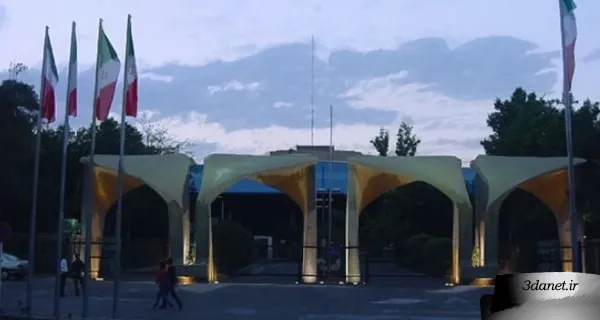
Universities are expected to serve three groups: “society,” “administrators and officials,” and “professors and students.” If a university cannot improve conditions in these three areas, it has strayed from its function. I believe 14 factors have distanced the university in Iran from its function:
1- Our universities were established on the assumption of training specialists capable of undertaking jobs and professions. This is while the university was not created solely to train jobholders; more importantly, it was created for the “cultivation of culture.” But unfortunately, we have no education in erudition in our universities.
2- Confining ourselves to professional and vocational training in universities is another problem. This is while, alongside specialization, “ethics” and the “art of living” must also be taught to students, and one cannot rely solely on specialization.
3- The lack of connection between what is taught in universities and the real needs of society is another problem of the university. This does not mean that we should ask institutions and ministries how many personnel they need and at what quality, and train students according to their requests; rather, we must ask what kind of human beings society itself needs. You cannot say which ministry needs intellectuals and reformers, but society needs an intellectual and a social reformer.
4- Training the devout and committed instead of the competent is another issue of our universities. Instead of hiring experts, we hire loyalists. This is while society, in order to be well-administered, needs the competent, not the loyal.
5- The university’s work not proceeding according to the theory of the “unconcealment of truth” is another problem in universities. Epistemologically, the university believes in the unconcealment of truth, whereby truth must be obtained bit by bit through a difficult and lengthy process. From this perspective, ideological systems can never have good universities because they believe the truth belongs to them.
6- The next problem is having totems and taboos; that is, matters so sacred they cannot be approached, and matters so forbidden they cannot be approached. Having totems and taboos destroys the university. The university is a university only when it has no totems or taboos. One of the reasons for the West’s development is empiricism, but empiricism not in the sense opposed to rationalism; empiricism in the sense that before encountering a phenomenon, we say nothing positive or negative about it, so we can see what conclusion our encounter with that matter leads us to.
7- Another problem is totems and taboos within the university department itself, where some professors do not welcome new subjects and projects. Our departments resemble “museums of science” more than “laboratories of science.” Because the professors themselves have totems and taboos and do not allow certain new subjects to enter the university, since they fall outside their area of expertise and interest.
8- Another problem of our universities is that they do not give students insight into the exchange between sciences and their boundaries with other sciences. The result of this is the derisive view of professors and students toward other academic disciplines, because they do not know how much they are indebted to those sciences; another issue is not recognizing the boundaries of sciences, the result of which is a failure to observe methodology. I believe we face methodological chaos and confusion in our research.
9- Students’ reliance on memory instead of “understanding” is another problem of our academy.
10- When we rely on memory instead of “understanding,” we resort to imitation instead of thinking.
11- If a professor is strong in research, it does not necessarily mean they are also strong in teaching. From the fact that the university must combine teaching and research, it does not follow that every individual at the university who is a good researcher will necessarily be a good educator.
12- Viewing work as a job rather than a profession is another of our problems in the university. If we look at work from the perspective of personal benefit, we have considered it a job, but if we see it as a social function, we have viewed it as a "profession." Some of our professors view their work as a job. There is a great difference between a professor who has come to give what they have to the university and a professor who has come to take what they do not have from the university.
13- The strange indifference of our universities to the humanities is one of our most fundamental problems. In a university where the humanities are weak, not only does the university become weak, but the entire society becomes weak.
14- Another problem of our universities is that the curricula provided by the Ministry of Science are not expert-based and cause our students to have a caricatured image of their discipline.
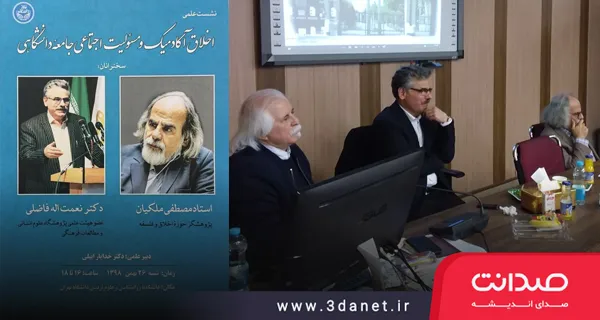
? The present text is an edited and summarized version by the "Iran" newspaper of a speech by Mostafa Malekian, delivered on January 2nd at the opening of the Social Studies of Science, Technology, and Innovation Roundtable at the National Research Institute for Science Policy.


Discussion6 comments
نقدی بسیار سطحی.متاسفانه ایشان از ماهیت و کارکرد علوم و همچنین اقتصاد دانشگاه اطلاع کافی ندارد.دانشگاه های ما به هیچ عنوان شغل محور نیستند.تنها دکانی برای شاغل شدن و اضهار فضل عده ای به عنوان استادند که به هیچ کجا پاسخگو نیستند.دانشگاهی که با هیچ نهادی ارتباط ارگانیک ندارد و تنها اجرا کنندۀ نسخه های پوسیدۀ شورای عالی انقلاب فرهنگی است.از به روز شدن و بازنگری در محتوای دروس سال ها است که گذشته، و دغدغۀ مسئولین تنها زیاد کردن ظرفیت های آموزشی برای ارائۀ گزارش به مافوق ها است بدون اینکه هیچ طرح و نقشه ای وجود داشته باشد.متاسفانه قربانی این نظام فرسودۀ بدون کارایی هم جوانان این مرز و بوم اند.
اخه آقای رضا صدر چرا همینجوری الکی نقدهای ملکیان را "سطحی " میخوانی ؟ حرفهای شما درست بود ، و عین حرفای شما را استاد ملکیان مگفته بود . آخه چرا نقد الکی مینویسید ؟ - ضمنا حقیر نیز مایلم سخن استاد ملکیان را با تعبیرات خودم موکد کنم . اساسا در ذهنیت حاکمان ایران ، چیزی بنام معرفت ( = معرفت بشری ) بلاموضوع است . معرفت بشری در همه جلوه های آن ( علوم انسانی و علوم تجربی ) مذموم و بلاموضوع است . و صد البته جهت گیری این نفی و نهی ، بیش تر معطوف به علوم انسانی است . تئوری ذهنی حاکمان ایرات اینست که : معرفت وحیانی برترین معرفت است و ما را چه حاجت به علوم ( معرفت ) بشری !!!!! - اگر هم تا به حال دانشگاه ها را نبسته اند به این علت نیست که نخواسته اند ، بل که چون نتوانسته اند . - این متحجران معتقدند که مدعیات ما واجد برترین ادله است ، ولی در عین حال هیچگونه منتقدی را بر نمیتابند . از ازادی و اینترنت و تلگرام و ... هراسانند . چرا ؟ چون دستشان خالی است . اندیشه قوی ، علی الاصول نباید بترسد . اینان در فقر مطلق منطق و دلیل قرار دارند و در عین حال ادعای ثروتمندی دارند . چیز مسخره ای بنام علم دینی ، نمونه ای از اداهای خودثروتمندبینی کسانی است که پشیزی در بساط ندارند . نتیجه این اندیشه چیزی نخواهد بود مگر گسترش فقر و فساد و جهل .
سلام علیکم! بند 5 و نظریه ی آشکارگی حقیقت را اگر دوستی، برای ما کمی بازتر کند بر ما منت گذاشته.
yousee304@gmail.com
دانشگاههای ما بیشتر به موزهی علم شبیهند تا آزمایشگاه علم. احسنت
بحثی منطقی و ارزشمند